Generic medicine

Naftidrofuryl Oxalate: Brands, Price & Uses in Bangladesh

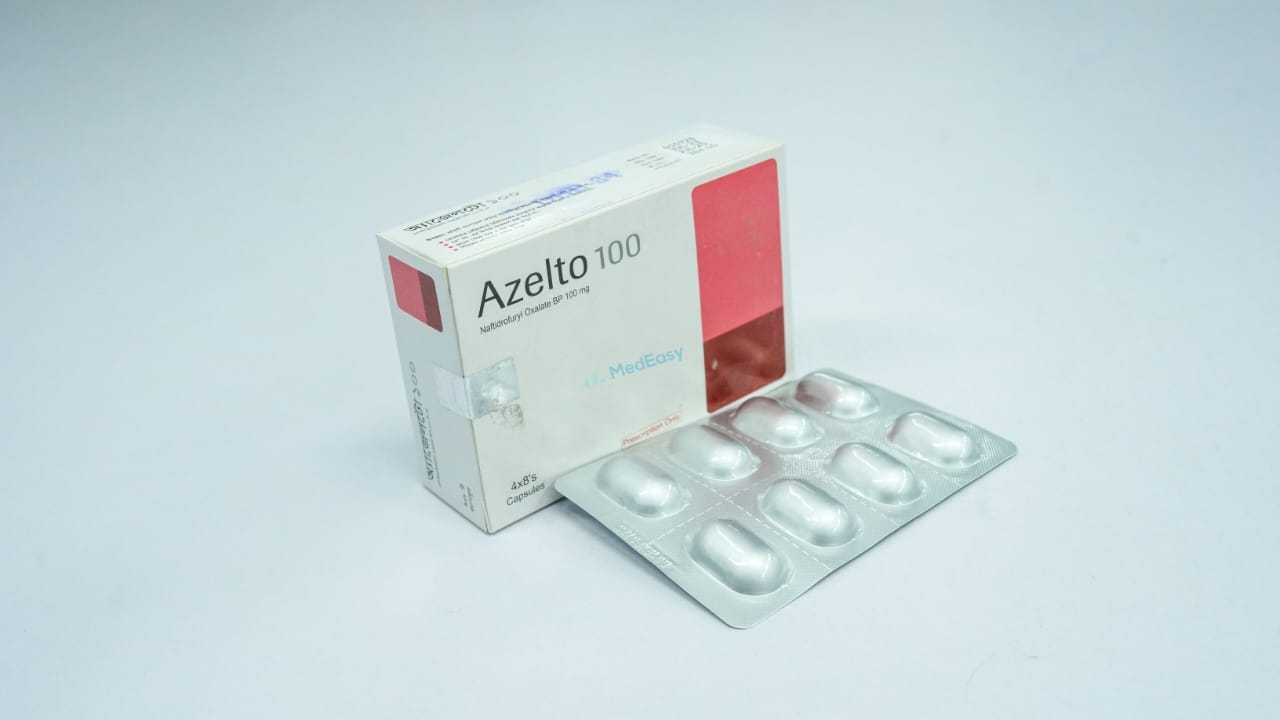
Naftidrofuryl Oxalate is a peripheral vasoactive agent used mainly for symptomatic relief of circulatory disorders.

Forms:Capsule

About Naftidrofuryl Oxalate

Indications of Naftidrofuryl Oxalate

Naftidrofuryl Oxalate is a peripheral vasoactive agent used mainly for symptomatic relief of circulatory disorders.

Guideline-supported / established use

  • Intermittent claudication due to peripheral arterial disease (PAD): Naftidrofuryl Oxalate is used to improve walking distance in patients with stable, mild-to-moderate intermittent claudication, as an adjunct to standard PAD management (structured exercise therapy, smoking cessation, and cardiovascular risk-factor control), particularly when lifestyle measures alone have not sufficiently improved symptoms. The symptomatic benefit is generally modest, and Naftidrofuryl Oxalate should be presented as a symptom-relief option rather than a disease-modifying or vascular risk-reducing therapy.

Other / regionally-used indications (evidence more limited)

  • Cerebrovascular insufficiency: in some markets, Naftidrofuryl Oxalate has been used for symptomatic relief of complaints attributed to cerebral circulatory insufficiency (e.g. dizziness, reduced concentration in the elderly). Evidence for this use is weaker and less consistent than for intermittent claudication, and it is not a universally accepted indication.
  • Raynaud's phenomenon / other peripheral circulatory complaints: occasionally used off-label for symptomatic relief in some countries; this is not a well-established, guideline-endorsed indication and should only be considered on a physician's advice.

Naftidrofuryl Oxalate is not a treatment for acute limb ischemia, critical limb ischemia, or established cardiovascular disease, and does not replace revascularization or standard secondary-prevention therapy when these are indicated.

Dosage & Administration of Naftidrofuryl Oxalate

Adult dose — Intermittent claudication

IndicationTypical adult doseNotes
Intermittent claudication (peripheral arterial disease)100–200 mg orally, three times daily, with or immediately after mealsClinical response should be reviewed after 3–6 months of treatment; continue only if there is a demonstrable improvement in walking distance or symptoms (see Duration of Treatment)
Cerebrovascular insufficiency (where used)Typically 100–200 mg three times daily, per local product labelingUse only on physician advice; evidence for benefit is limited

Special populations

  • Elderly: No routine dose reduction is mandated, but elderly patients may have a prolonged half-life; use the lowest effective dose and monitor for tolerability.
  • Renal impairment: Use with caution; specific well-established dose-adjustment guidance is limited, so clinical judgment and monitoring are advised.
  • Hepatic impairment: Naftidrofuryl Oxalate should be avoided in significant hepatic impairment because of the risk of hepatotoxicity (see Contraindications and Precautions).
  • Children: Not indicated; safety and efficacy in children have not been established.

Naftidrofuryl Oxalate capsules/tablets should be swallowed whole with water and not chewed or crushed unless the product labeling states otherwise.

Side Effects of Naftidrofuryl Oxalate

Most people tolerate Naftidrofuryl Oxalate well. Reported side effects include:

Common

  • Nausea, vomiting, epigastric or abdominal discomfort
  • Diarrhea or other mild gastrointestinal upset
  • Skin rash

Rare but serious

  • Hepatotoxicity, including hepatitis and, very rarely, liver failure — see Precautions and Warnings for monitoring advice and warning signs that require immediate medical attention.
  • Hypersensitivity reactions (e.g. urticaria, angioedema) — discontinue and seek medical care if these occur.

This is not an exhaustive list. Report any unusual or persistent symptom to a physician.

Contraindications of Naftidrofuryl Oxalate

Naftidrofuryl Oxalate is contraindicated in:

  • Known hypersensitivity to naftidrofuryl oxalate or to any excipient of the product.
  • Severe hepatic impairment, or a prior history of liver injury/hepatotoxicity attributed to Naftidrofuryl Oxalate.

Conditions requiring caution rather than absolute avoidance (e.g. mild hepatic impairment, renal impairment, pregnancy) are discussed under Precautions and Warnings and Pregnancy and Lactation, not here.

Frequently Asked Questions about Naftidrofuryl Oxalate

What is Naftidrofuryl Oxalate used for?

Naftidrofuryl Oxalate is mainly used to relieve symptoms of intermittent claudication (leg pain on walking) caused by peripheral arterial disease, and in some markets for symptomatic relief of cerebrovascular insufficiency. It is used alongside exercise and cardiovascular risk-factor control, not as a replacement for them.

How should I take Naftidrofuryl Oxalate?

Naftidrofuryl Oxalate is usually taken by mouth, 100–200 mg three times daily, swallowed whole with water and preferably with or after food to reduce stomach upset. Follow your physician's exact instructions on dose and duration.

How long does it take for Naftidrofuryl Oxalate to work, and how long should I take it?

Improvement in walking distance, if it occurs, is usually assessed after about 3 to 6 months of regular use. If there is no meaningful benefit by then, your physician may advise stopping Naftidrofuryl Oxalate, since continuing without benefit is not recommended.

What are the main risks I should watch for with Naftidrofuryl Oxalate?

The most important warning with Naftidrofuryl Oxalate is rare but serious liver injury. Stop Naftidrofuryl Oxalate and seek medical attention immediately if you notice yellowing of the skin or eyes, dark urine, pale stools, unusual tiredness, loss of appetite, or pain in the upper right abdomen. More common but less serious effects include nausea, stomach discomfort, diarrhea, and skin rash.

Can I take Naftidrofuryl Oxalate if I have liver problems?

Naftidrofuryl Oxalate is contraindicated in severe hepatic impairment or in anyone who has previously had liver injury from Naftidrofuryl Oxalate, and should be used cautiously with monitoring in milder liver impairment. Tell your physician about any liver condition before starting Naftidrofuryl Oxalate.

Is Naftidrofuryl Oxalate safe in pregnancy or while breastfeeding?

Data are limited, so Naftidrofuryl Oxalate should only be used in pregnancy or while breastfeeding if a physician judges that the potential benefit outweighs the potential risk. Always consult your physician before using Naftidrofuryl Oxalate in these situations.

Disclaimer

The information provided is accurate to the best of our knowledge, but it does not replace professional medical advice. We cannot guarantee its completeness or accuracy, and the absence of specific information about a drug should not be taken as an endorsement. We are not responsible for any consequences arising from this information, so please consult a healthcare professional for any concerns or questions.
DoctorBlogArticles