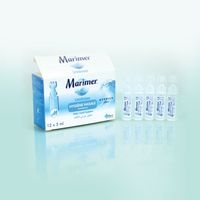
Generic medicine

Nasal Drop: Brands, Price & Uses in Bangladesh

Nasal Drop is a non-medicated, sterile saline (sodium chloride) preparation used for intranasal moisturizing and clearing of the nasal passages.

Forms:Nasal Drop

About Nasal Drop

Indications of Nasal Drop

Nasal Drop is a non-medicated, sterile saline (sodium chloride) preparation used for intranasal moisturizing and clearing of the nasal passages. It is an established, widely used first-line home-care measure rather than a prescription therapy for a specific disease.

  • Established/general use: Relief of nasal dryness, stuffiness, and crusting associated with the common cold, dry or air-conditioned/heated indoor environments, and minor upper respiratory irritation.
  • Guideline-supported adjunct use: Loosening and clearing of thick nasal mucus in infants and young children (including before feeding or before use of a nasal aspirator/bulb syringe), and as an adjunct to allergic rhinitis and sinusitis management alongside other prescribed treatments.
  • Adjunct use: Supportive nasal hygiene after nasal surgery or with nasal dryness from other medicated nasal sprays, when advised by a physician.

Nasal Drop is not an antibiotic, decongestant, or antihistamine, and it does not treat the underlying cause of infection or allergy; it does not replace medically directed treatment of a significant sinus infection or structural nasal disease.

Dosage & Administration of Nasal Drop

Age groupTypical use of Nasal Drop
Infants (including newborns)2-3 drops of Nasal Drop in each nostril as needed, followed by gentle bulb-syringe suction if used for congestion clearance before feeds or sleep.
Children2-3 drops or 1-2 sprays of Nasal Drop in each nostril, 2-4 times daily or as needed for nasal dryness/congestion.
Adults2-6 drops or 1-2 sprays of Nasal Drop in each nostril, up to 4-6 times daily or as needed.

Nasal Drop may be used as often as needed since it is non-medicated; there is no maximum daily dose in the way there is for a medicated drug. If symptoms persist beyond 7-10 days or worsen, a physician should be consulted.

Side Effects of Nasal Drop

Nasal Drop is generally very well tolerated. Occasional effects can include:

  • Transient nasal stinging, burning, or tickling sensation immediately after use (more common with hypertonic formulations)
  • Sneezing
  • Mild nasal dryness or irritation with frequent use
  • Rare, minor nosebleed (epistaxis), particularly with vigorous or excessive use

These effects are usually mild and self-limiting; persistent irritation should prompt discontinuation and medical advice.

Contraindications of Nasal Drop

Nasal Drop is contraindicated only in individuals with a known hypersensitivity to sodium chloride or any excipient in the specific formulation, which is rare for a simple saline preparation.

Frequently Asked Questions about Nasal Drop

Is Nasal Drop a medicine or an antibiotic?

No. Nasal Drop is a non-medicated sterile saline solution. It does not contain an antibiotic, decongestant, or any active drug, and it will not treat a bacterial or viral infection directly - it simply moisturizes the nasal passages and helps clear mucus.

Can Nasal Drop be used in newborn babies?

Yes, Nasal Drop is commonly used and considered safe in newborns and infants for nasal congestion, typically 2-3 drops per nostril, often followed by gentle bulb-syringe suction. Use a clean applicator each time and consult a pediatrician if you are unsure about frequency.

Is Nasal Drop safe during pregnancy and breastfeeding?

Yes. Because Nasal Drop is a saline solution with no systemic absorption, it is considered very low risk and is often recommended as a first-line option for nasal congestion during pregnancy and breastfeeding. It is still reasonable to mention its use to your physician, especially if symptoms are severe.

How many times a day can I use Nasal Drop?

Nasal Drop can generally be used as often as needed, commonly 2-6 times per day, since it is non-medicated and does not carry a risk of rebound congestion or overdose in the way medicated decongestant sprays do. If irritation develops, reduce frequency and consult a physician if it persists.

What are the contraindications and side effects of Nasal Drop?

The only true contraindication to Nasal Drop is a known hypersensitivity to sodium chloride or an excipient in the specific product, which is rare. Side effects are usually mild and may include transient stinging, sneezing, nasal dryness with frequent use, or rarely a minor nosebleed.

Can Nasal Drop be used together with other nasal sprays?

Yes. Nasal Drop can generally be used alongside medicated nasal sprays. A common approach is to use Nasal Drop first to clear the nasal passage, wait a few minutes, and then use the medicated spray so it can be absorbed more effectively.

Disclaimer

The information provided is accurate to the best of our knowledge, but it does not replace professional medical advice. We cannot guarantee its completeness or accuracy, and the absence of specific information about a drug should not be taken as an endorsement. We are not responsible for any consequences arising from this information, so please consult a healthcare professional for any concerns or questions.

DoctorBlogArticles