
Generic medicine

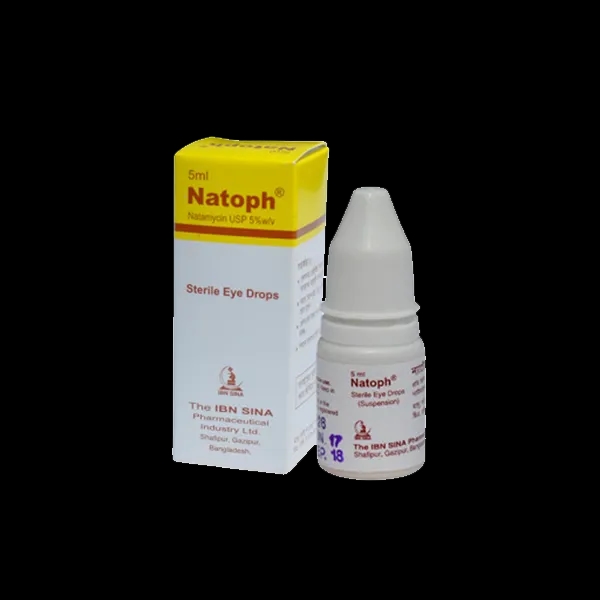
Natamycin: Brands, Price & Uses in Bangladesh

Natamycin ophthalmic suspension is an antifungal medicine used to treat eye infections caused by susceptible fungi.

Forms:Ophthalmic Suspension

About Natamycin

Indications of Natamycin

Natamycin ophthalmic suspension is an antifungal medicine used to treat eye infections caused by susceptible fungi. Its evidence-based uses include:

Established / FDA-approved use

  • Fungal keratitis (fungal infection of the cornea) caused by susceptible organisms such as Fusarium solani, Aspergillus species, and Candida species. Natamycin ophthalmic suspension is considered a first-line, treatment-of-choice agent for fungal keratitis, particularly filamentous fungal keratitis, and diagnosis should ideally be confirmed by laboratory examination (smear/culture) of corneal scrapings.
  • Fungal blepharitis (infection of the eyelids) caused by susceptible fungi.
  • Fungal conjunctivitis (infection of the conjunctiva) caused by susceptible fungi.

Adjunct / combination use

  • In fungal endophthalmitis (infection inside the eye), Natamycin has not been established as effective when used alone; it is generally not used as monotherapy for this indication and specialist-directed combination therapy (with systemic or intravitreal antifungals) is required.
  • In deep or severe stromal fungal keratitis that responds poorly to topical therapy, ophthalmologists may add systemic antifungal therapy or consider surgical options (e.g., corneal debridement, therapeutic keratoplasty) alongside Natamycin, because ocular penetration of topical Natamycin into deeper corneal layers is limited.

Non-ophthalmic use (different context)

Natamycin is also used industrially as a food-grade preservative on cheese and cured meat surfaces to inhibit mold growth; this food-preservative use is a separate application from its medical use as an ophthalmic antifungal and is not a use covered by this medicine information.

Dosage & Administration of Natamycin

Fungal keratitis (corneal infection)

PhaseAdult dose
Initial therapy1 drop of Natamycin ophthalmic suspension instilled into the conjunctival sac every 1-2 hours
After 3-4 daysFrequency may be reduced to 1 drop 6-8 times daily
Total durationUsually 14-21 days, or continued until active fungal keratitis has resolved (as judged by the treating ophthalmologist)
TaperingA gradual reduction in dosing over 4-7 day intervals may help confirm elimination of the organism before stopping therapy

Fungal blepharitis and conjunctivitis

Usually a lower frequency of 4-6 applications of Natamycin ophthalmic suspension per day is adequate; the exact schedule should be individualized by the prescribing physician based on clinical response.

Pediatric dose

The same dosing principles used in adults are generally applied under specialist ophthalmologic supervision, as a specific pediatric dosing schedule for Natamycin has not been separately established; safety and efficacy in children have not been formally established in controlled trials (see Use in Special Populations).

Renal/hepatic impairment

No dose adjustment is required for renal or hepatic impairment, since Natamycin ophthalmic suspension has negligible systemic absorption after topical ocular use.

Administration instructions

  • Shake the Natamycin suspension bottle well before each use.
  • Wash hands before instilling the drop.
  • Tilt the head back, gently pull down the lower eyelid to form a small pocket, and instill one drop of Natamycin into the pocket.
  • Avoid letting the dropper tip touch the eye, eyelid, or any other surface, to prevent contamination of the suspension.
  • Close the eye gently for 1-2 minutes after instillation and apply light pressure at the inner corner of the eye to reduce systemic drainage.
  • Do not wear contact lenses during treatment with Natamycin for a fungal eye infection.
  • Complete the full course of Natamycin exactly as prescribed by your physician, even if your symptoms improve before the course is finished. Do not stop, extend, skip doses, or share this medicine with others without medical advice, as premature discontinuation can lead to relapse or treatment failure.

Side Effects of Natamycin

The most commonly reported side effects of Natamycin ophthalmic suspension are local and generally mild:

  • Eye irritation, burning, or stinging on instillation
  • Eye redness (hyperemia)
  • Temporary blurred vision immediately after application (due to the suspension itself)
  • A sensation of a foreign body in the eye
  • Eye pain or discomfort
  • Swelling (edema) of the eyelid or conjunctiva
  • Increased tearing

Less commonly, allergic reactions, corneal opacity, or changes in vision have been reported after use of Natamycin; rare systemic reactions such as chest discomfort or difficulty breathing have been reported post-marketing but are not clearly established to be caused by the topical drug given its minimal systemic absorption. Patients should notify their physician if any side effect is severe or persistent.

Contraindications of Natamycin

Natamycin ophthalmic suspension is contraindicated in patients with known hypersensitivity to Natamycin or to any component of the formulation. There are no other well-established absolute contraindications to topical ophthalmic Natamycin.

Frequently Asked Questions about Natamycin

What is Natamycin eye drop used for?

Natamycin ophthalmic suspension is used to treat fungal infections of the eye, most commonly fungal keratitis (corneal infection) and also fungal blepharitis and conjunctivitis, caused by susceptible fungi such as Fusarium, Aspergillus, and Candida species.

How long does it take for Natamycin to work?

Improvement is usually assessed over the first 7-10 days of Natamycin therapy. If there is no improvement in that time, your ophthalmologist may re-evaluate the diagnosis or add other treatment. Full courses of Natamycin for fungal keratitis often last 14-21 days.

Can I stop using Natamycin once my eye feels better?

No. You should complete the full prescribed course of Natamycin exactly as directed by your physician, even if your symptoms improve early. Stopping Natamycin too soon can allow the fungal infection to relapse or become harder to treat.

Can I wear contact lenses while using Natamycin?

No, contact lenses should not be worn during active treatment of a fungal eye infection with Natamycin, as they can interfere with corneal healing and may worsen irritation.

Is Natamycin safe during pregnancy and breastfeeding?

Natamycin has not been well studied in pregnant or breastfeeding women. It should be used during pregnancy only if clearly needed and only under a physician's guidance, weighing potential benefit against unknown risk to the baby. Because systemic absorption from the eye is minimal, risk during breastfeeding is expected to be low, but a physician should still be consulted before using Natamycin while nursing.

What should I do if I miss a dose or accidentally use too much Natamycin?

If you miss a dose of Natamycin, apply it as soon as you remember unless it is nearly time for the next dose. Do not double up doses. If you accidentally use significantly more Natamycin than prescribed, or if it is swallowed, or if you notice severe irritation or an allergic reaction, seek immediate medical attention or contact a poison control center rather than treating it at home.

Disclaimer

The information provided is accurate to the best of our knowledge, but it does not replace professional medical advice. We cannot guarantee its completeness or accuracy, and the absence of specific information about a drug should not be taken as an endorsement. We are not responsible for any consequences arising from this information, so please consult a healthcare professional for any concerns or questions.
DoctorBlogArticles