Generic medicine

Nigella Sativa [Black Seed Oil]: Brands, Price & Uses in Bangladesh

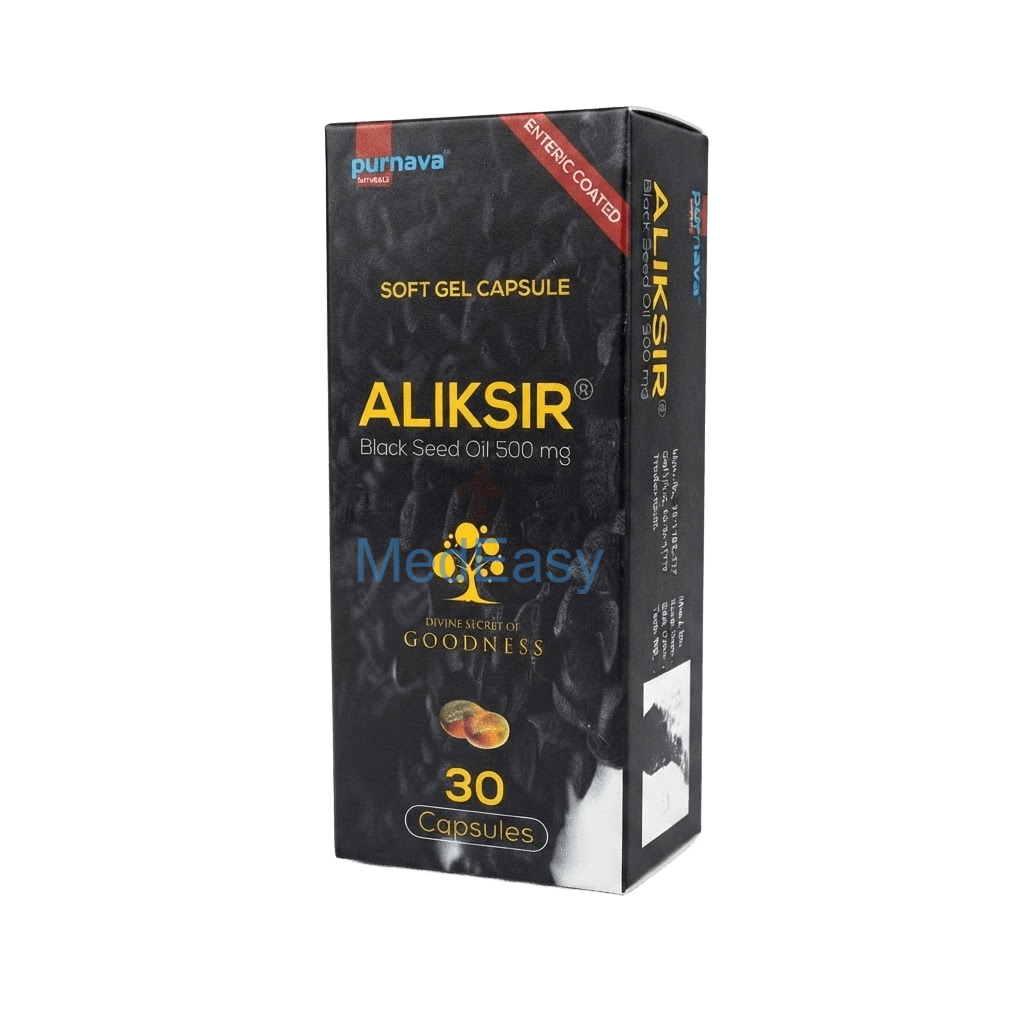
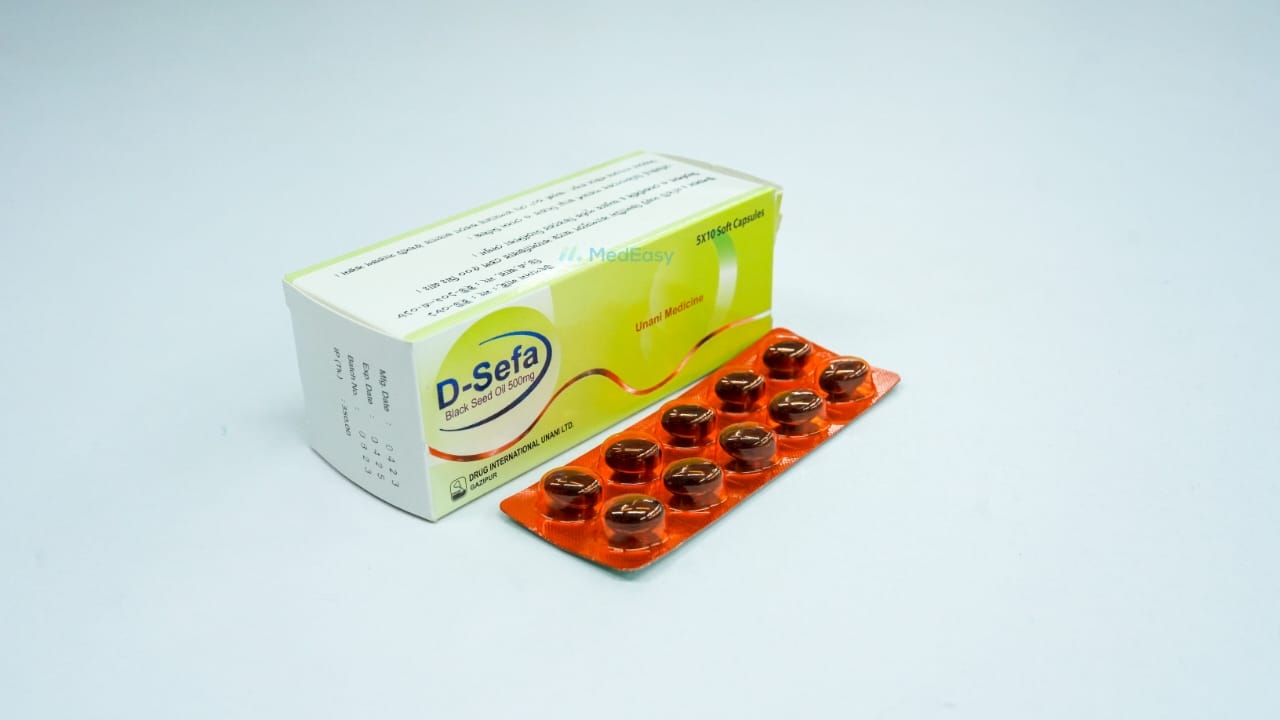
Nigella Sativa [Black Seed Oil] is a herbal (nutraceutical) supplement derived from the seeds of the Nigella sativa plant, commonly known as black seed or black cumin.

Forms:Capsule

About Nigella Sativa [Black Seed Oil]

Indications of Nigella Sativa [Black Seed Oil]

Nigella Sativa [Black Seed Oil] is a herbal (nutraceutical) supplement derived from the seeds of the Nigella sativa plant, commonly known as black seed or black cumin. It is used in traditional and complementary medicine for a variety of purported health benefits. Overall clinical evidence for most uses remains limited and preliminary compared with conventional pharmacotherapy, so it should be regarded as a supportive or adjunct measure rather than a replacement for prescribed treatment.

  • General wellness and immune support (traditional use; limited controlled trial evidence).
  • Adjunct support for allergic conditions such as allergic rhinitis (some small trials suggest symptom improvement when used alongside standard allergy treatment).
  • Adjunct support for asthma and chronic respiratory symptoms when used together with, not in place of, physician-prescribed inhalers/medication.
  • Adjunct support for blood glucose management in type 2 diabetes, used together with, not instead of, prescribed antidiabetic therapy (preliminary evidence of modest glucose-lowering effect).
  • Adjunct support for mild blood pressure and lipid (cholesterol) management alongside standard therapy (preliminary evidence of modest effects on blood pressure and lipid profile).
  • Adjunct use in H. pylori eradication regimens together with standard combination therapy (not as monotherapy).
  • General digestive and respiratory wellness (long traditional use; evidence base is largely observational/preliminary).

These uses are supported mainly by small clinical trials, traditional use, and preliminary evidence; Nigella Sativa [Black Seed Oil] is not a substitute for prescribed medical therapy, and any use for a diagnosed medical condition should be discussed with a physician.

Dosage & Administration of Nigella Sativa [Black Seed Oil]

There is no single internationally standardized dose for Nigella Sativa [Black Seed Oil]; the dosing below reflects common label/market convention in Bangladesh and doses used in clinical studies. Patients should follow the specific product label or their physician's/pharmacist's advice, since potency can vary by product.

Population / UseTypical DoseNotes
Adults and adolescents (15 years and above) — general/adjunct use1 capsule (oil) twice daily, or 1–2.5 g of oil by mouth dailyUsually taken with meals; duration in studies typically 4–12 weeks
Children 5–15 years1 capsule once daily, or as directed by a physicianUse only under medical supervision; see Pediatric Use
Children under 5 yearsNot recommendedSafety and effective dosing not established

See Dosage and Administration below for a concise summary, and Duration of Treatment for how long a course is typically continued.

Side Effects of Nigella Sativa [Black Seed Oil]

Nigella Sativa [Black Seed Oil] is generally well tolerated when used short-term at recommended doses. Reported side effects include:

  • Gastrointestinal upset — nausea, stomach discomfort, bloating, or constipation.
  • Allergic skin reactions — rash, itching, or contact dermatitis, particularly with topical use.
  • Mild hypotension or hypoglycemia symptoms (dizziness, lightheadedness, sweating) — more likely if combined with blood-pressure or glucose-lowering drugs (see Interaction).
  • Increased bruising or bleeding tendency in susceptible individuals (see Precautions and Warnings).

Data on safety of long-term or high-dose use of Nigella Sativa [Black Seed Oil] are limited.

Contraindications of Nigella Sativa [Black Seed Oil]

Nigella Sativa [Black Seed Oil] is contraindicated in individuals with known hypersensitivity to Nigella sativa, its constituents (including thymoquinone), or related plants. No other true absolute contraindication is well established; other cautions (e.g. bleeding disorders, concurrent glucose- or blood-pressure-lowering therapy, pregnancy) are addressed under Precautions and Warnings and Pregnancy and Lactation rather than as absolute contraindications.

Frequently Asked Questions about Nigella Sativa [Black Seed Oil]

What is Nigella Sativa [Black Seed Oil] used for?

Nigella Sativa [Black Seed Oil] is a herbal supplement traditionally used for general wellness and immune support, and studied as an adjunct (add-on, not a replacement) for conditions such as allergic rhinitis, asthma, type 2 diabetes, and mild high blood pressure or cholesterol, alongside standard medical treatment.

Can Nigella Sativa [Black Seed Oil] replace my prescribed medication for diabetes or blood pressure?

No. Nigella Sativa [Black Seed Oil] should only be used as an adjunct alongside physician-prescribed treatment, never as a replacement. Because it may have mild blood-sugar and blood-pressure-lowering effects, combining it with your regular medication can increase the risk of hypoglycemia or low blood pressure, so blood glucose and blood pressure should be monitored closely and any changes discussed with your physician.

Is Nigella Sativa [Black Seed Oil] safe during pregnancy or breastfeeding?

Safety data are insufficient. Nigella Sativa [Black Seed Oil] should be used in pregnancy only if clearly needed and only under medical guidance, after a physician has weighed potential benefit against potential risk to the fetus. During breastfeeding, it should likewise only be used on a physician's advice, as reliable safety information is lacking.

Who should not take Nigella Sativa [Black Seed Oil]?

Anyone with a known hypersensitivity (allergy) to Nigella sativa, thymoquinone, or related plants should not take Nigella Sativa [Black Seed Oil]. People with bleeding disorders, those on blood-thinning medication, or those scheduled for surgery should use it only with medical guidance, since it may increase bleeding risk.

What side effects can Nigella Sativa [Black Seed Oil] cause?

Nigella Sativa [Black Seed Oil] is generally well tolerated short-term, but it can cause gastrointestinal upset (nausea, bloating, constipation), allergic skin reactions, and, less commonly, symptoms of low blood pressure or low blood sugar (dizziness, lightheadedness, sweating), especially if combined with related medications.

What should I do if I take too much Nigella Sativa [Black Seed Oil]?

If you suspect you or someone else has taken an excessive amount of Nigella Sativa [Black Seed Oil] and experiences symptoms such as fainting, severe dizziness, or unusual bleeding, seek immediate medical attention or contact a poison control center/emergency services rather than trying to manage it at home.

Disclaimer

The information provided is accurate to the best of our knowledge, but it does not replace professional medical advice. We cannot guarantee its completeness or accuracy, and the absence of specific information about a drug should not be taken as an endorsement. We are not responsible for any consequences arising from this information, so please consult a healthcare professional for any concerns or questions.

DoctorBlogArticles