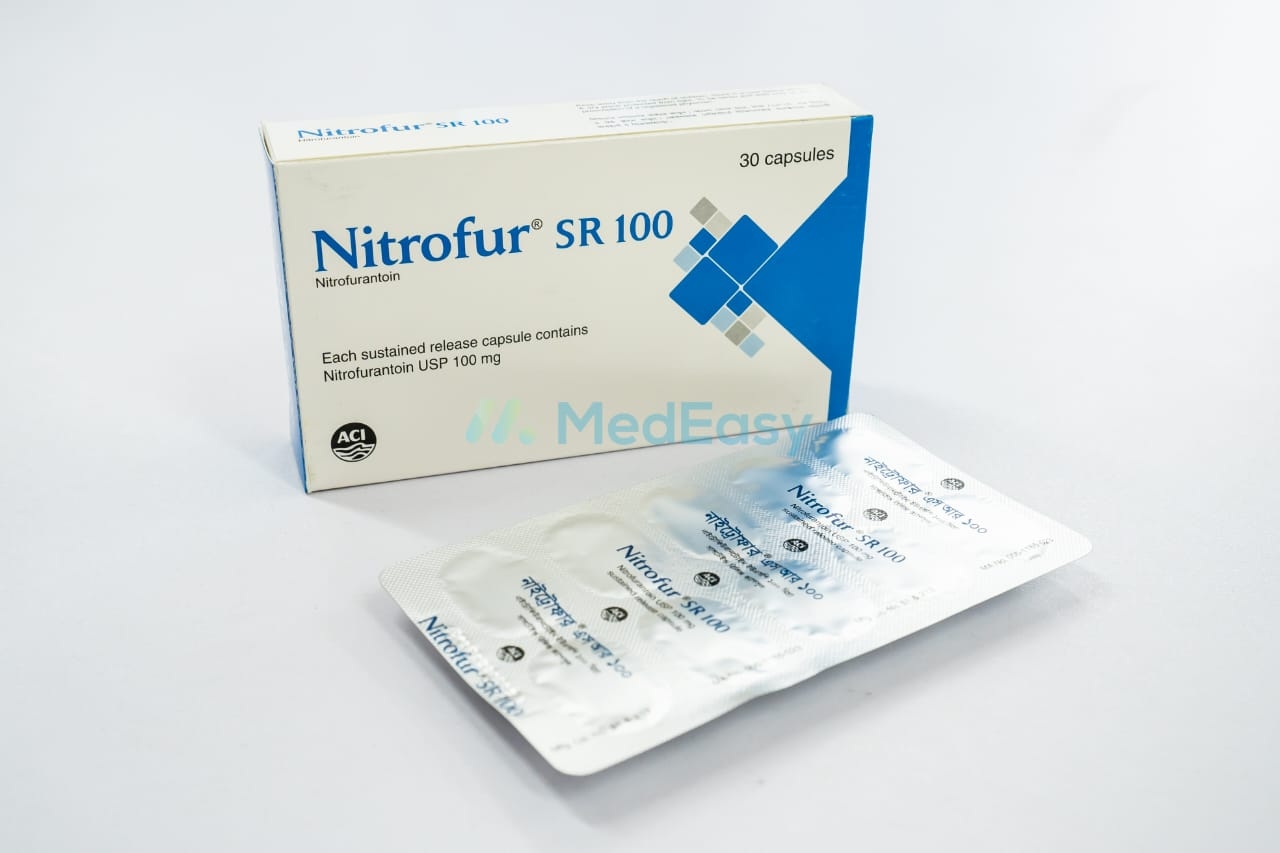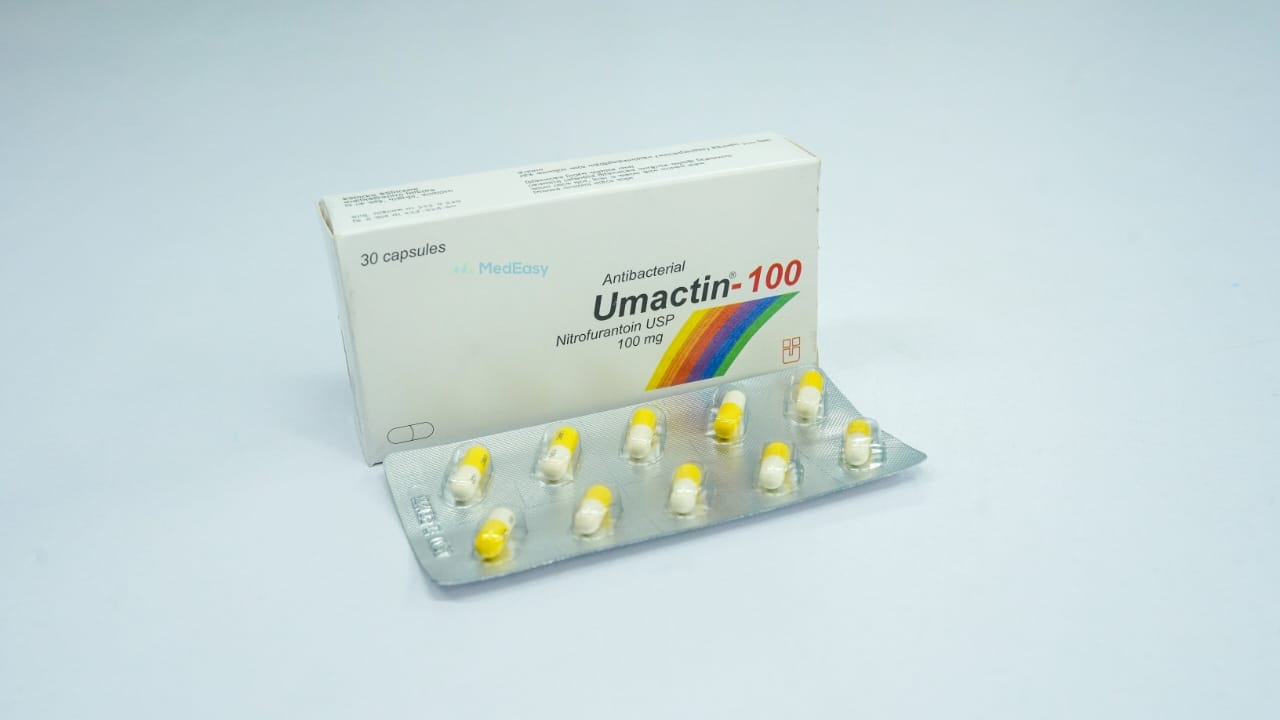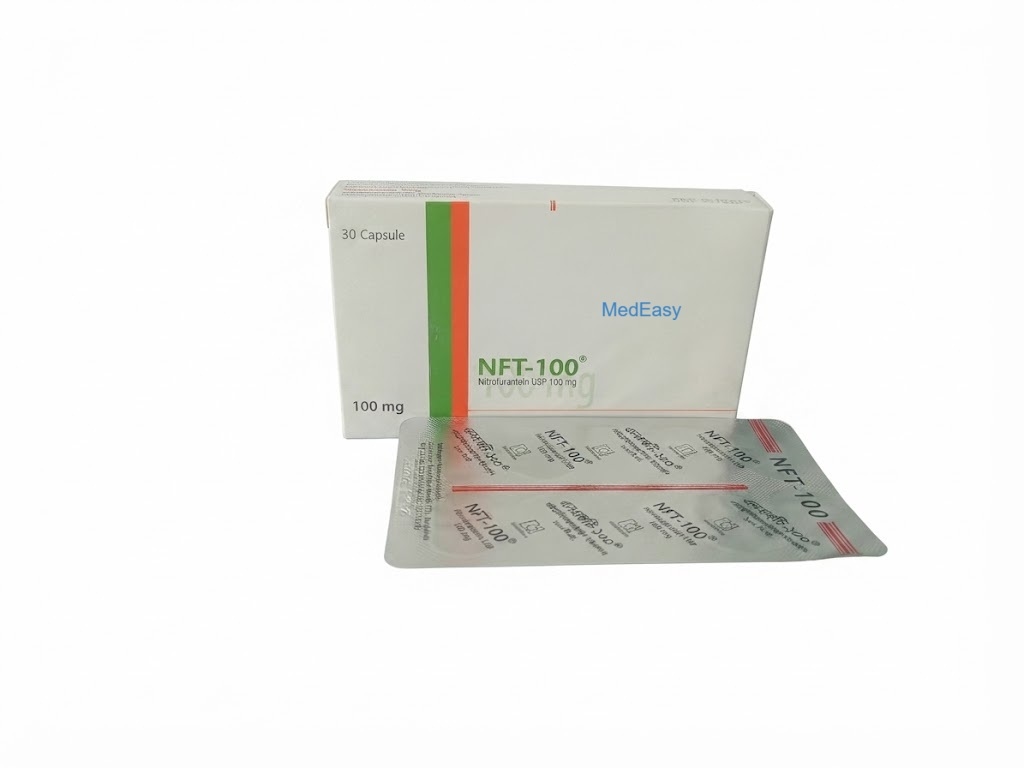
Generic medicine

Nitrofurantoin: Brands, Price & Uses in Bangladesh

Nitrofurantoin is a urinary antiseptic antibiotic that is FDA-approved and guideline-supported for the following use: Acute uncomplicated urinary tract infection (cystitis): Treatment of acute…

Forms:CapsuleTabletcapsuleOral Suspension

About Nitrofurantoin

Indications of Nitrofurantoin

Nitrofurantoin is a urinary antiseptic antibiotic that is FDA-approved and guideline-supported for the following use:

  • Acute uncomplicated urinary tract infection (cystitis): Treatment of acute uncomplicated lower UTIs caused by susceptible strains of Escherichia coli, Staphylococcus saprophyticus, and certain other susceptible organisms including Enterococcus faecalis, Klebsiella, and Enterobacter species.
  • Long-term suppressive therapy (prophylaxis): Guideline-supported use for prevention of recurrent uncomplicated urinary tract infections in selected patients, at lower once-daily or bedtime doses.

Nitrofurantoin is not effective for pyelonephritis, perinephric abscess, prostatitis, or other upper urinary tract or systemic infections, because it does not achieve adequate tissue or serum concentrations outside the urine. It is not indicated for infections outside the urinary tract.

Dosage & Administration of Nitrofurantoin

Nitrofurantoin should be taken with food to enhance absorption and reduce gastrointestinal upset.

IndicationAdult DoseDuration
Acute uncomplicated UTI (immediate-release)50-100 mg four times daily7 days, or at least 3 days after urine sterility is achieved
Acute uncomplicated UTI (dual-release, e.g. 100 mg monohydrate/macrocrystalline)100 mg every 12 hours7 days
Long-term suppressive therapy50-100 mg once daily, usually at bedtimeAs directed by physician; periodic reassessment required

Important: Take Nitrofurantoin exactly as prescribed by your physician; do not stop, extend, skip doses, or share this medicine with others without medical advice. Completing the full prescribed course, even after symptoms improve, is essential to clear the infection and reduce the risk of antibiotic resistance.

See Use in Special Populations for pediatric dosing and Precautions for renal-function requirements.

Side Effects of Nitrofurantoin

The following adverse effects have been reported with Nitrofurantoin use:

Most common (generally mild):

  • Nausea
  • Headache
  • Flatulence
  • Diarrhea, dyspepsia, abdominal pain
  • Dizziness, drowsiness

Less common but serious (see Precautions and Warnings for full details):

  • Pulmonary reactions (acute hypersensitivity-type or chronic fibrotic reactions)
  • Hepatotoxicity, including hepatitis and cholestatic jaundice
  • Peripheral neuropathy
  • Hemolytic anemia (particularly in G6PD-deficient individuals)
  • Hypersensitivity reactions including rash, urticaria, and rarely anaphylaxis

Contraindications of Nitrofurantoin

  • Known hypersensitivity to Nitrofurantoin or any component of the formulation.
  • Anuria, oliguria, or significant renal impairment (creatinine clearance under approximately 60 mL/minute, or clinically significant elevated serum creatinine), because inadequate renal function prevents effective urinary drug concentration and increases the risk of systemic toxicity.
  • Pregnancy at term (38-42 weeks gestation), during labor, or when the onset of labor is imminent, due to the risk of hemolytic anemia in the newborn.
  • Infants under one month of age, due to the risk of hemolytic anemia from immature erythrocyte enzyme systems (glutathione instability).
  • Known history of cholestatic jaundice or hepatic dysfunction previously associated with Nitrofurantoin use.

Frequently Asked Questions about Nitrofurantoin

What is Nitrofurantoin used for?

Nitrofurantoin is an antibiotic used specifically to treat and prevent uncomplicated urinary tract infections (bladder infections/cystitis) caused by susceptible bacteria. It is not effective for kidney infections or infections outside the urinary tract because it does not reach adequate levels in the blood or other tissues.

How should I take Nitrofurantoin?

Take Nitrofurantoin exactly as prescribed by your physician, with food or milk to improve absorption and reduce stomach upset. Do not stop, extend, skip doses, or share this medicine with others without medical advice, and complete the full course even if you feel better before finishing it.

Can I take Nitrofurantoin if I have kidney problems?

No. Nitrofurantoin is contraindicated in patients with significant renal impairment (creatinine clearance under approximately 60 mL/minute), anuria, or oliguria, because reduced kidney function prevents the drug from concentrating properly in the urine and increases the risk of serious toxicity. Tell your physician about any kidney problems before starting Nitrofurantoin.

Is Nitrofurantoin safe during pregnancy?

Nitrofurantoin should be used during pregnancy only if clearly needed, as determined by a physician who weighs the potential benefit against potential risk to the fetus. Nitrofurantoin is contraindicated at term (38-42 weeks), during labor, and when delivery is imminent, due to the risk of hemolytic anemia in the newborn. Always consult your physician before using Nitrofurantoin during pregnancy.

What side effects should I watch for with Nitrofurantoin?

Common side effects of Nitrofurantoin include nausea, headache, and flatulence. Seek prompt medical attention if you develop cough, fever, chest pain, or shortness of breath (possible lung reaction), yellowing of the skin or eyes (possible liver problem), or numbness/tingling in the hands or feet (possible nerve problem), as these can indicate serious but uncommon reactions to Nitrofurantoin.

What should I do if I miss a dose or take too much Nitrofurantoin?

If you miss a dose of Nitrofurantoin, take it as soon as you remember unless it is almost time for the next dose; do not double up doses. If you suspect an overdose of Nitrofurantoin, seek immediate medical attention or contact a poison control center, as vomiting is the most common effect and medical supervision is needed to manage it safely.

Disclaimer

The information provided is accurate to the best of our knowledge, but it does not replace professional medical advice. We cannot guarantee its completeness or accuracy, and the absence of specific information about a drug should not be taken as an endorsement. We are not responsible for any consequences arising from this information, so please consult a healthcare professional for any concerns or questions.

DoctorBlogArticles