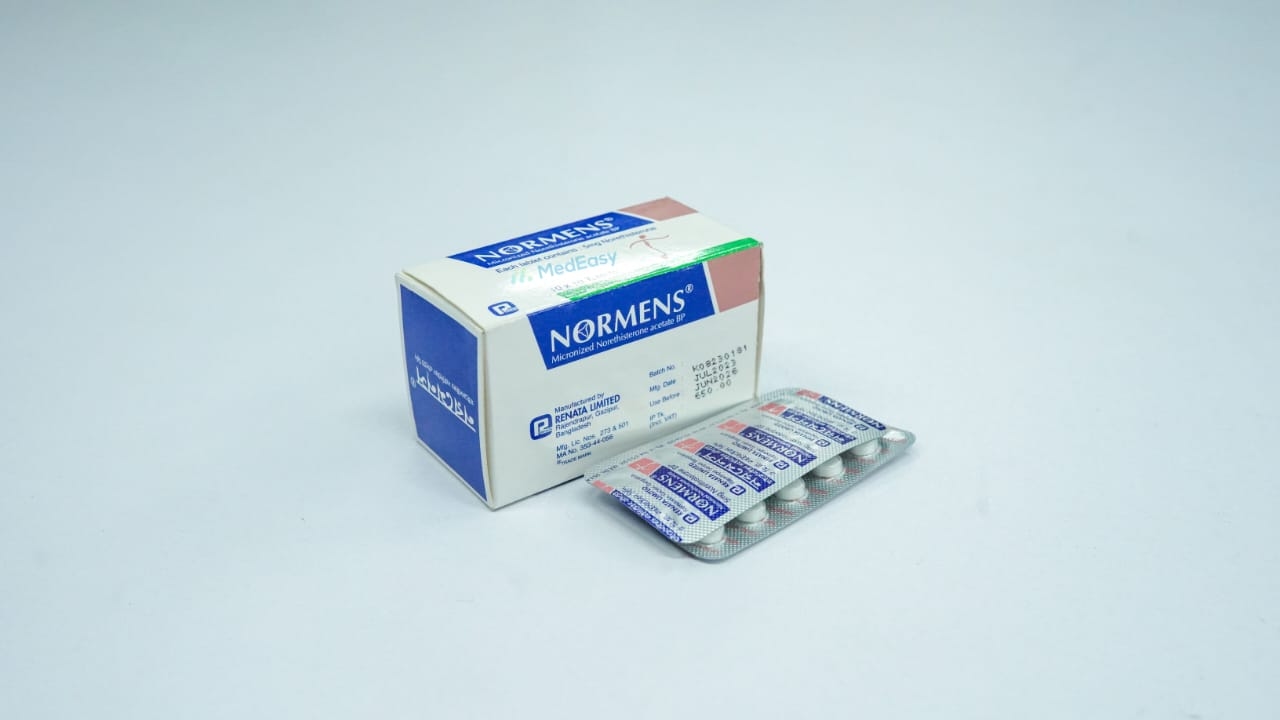
Generic medicine

Norethisterone: Brands, Price & Uses in Bangladesh

Norethisterone is a synthetic progestin used in the treatment of several gynecological conditions.

Forms:Tablet

About Norethisterone

Indications of Norethisterone

Norethisterone is a synthetic progestin used in the treatment of several gynecological conditions. Evidence-based uses include:

  • Established/on-label uses: treatment of dysfunctional uterine bleeding (abnormal uterine bleeding not due to structural or malignant causes), secondary amenorrhea, endometriosis, and short-term postponement (delay) of menstruation for scheduling purposes.
  • Guideline-supported use: management of menorrhagia (heavy menstrual bleeding) as part of an overall treatment plan.
  • Combination-therapy role: Norethisterone is also used as the progestin component of combined oral contraceptives and in progestin-only contraceptive preparations.
  • Adjunct use: some product labeling supports Norethisterone as an adjunct for premenstrual syndrome (PMS) symptom relief, although evidence is less robust than for its other indications.

Off-label, Norethisterone is sometimes used by physicians to manipulate the timing of the menstrual cycle around surgery, travel, or examinations; such use should only be under medical supervision.

Dosage & Administration of Norethisterone

Dysfunctional Uterine Bleeding

1 tablet (5 mg) of Norethisterone three times daily for 10 days to control an acute bleeding episode; bleeding usually stops within 1-3 days. For prevention of recurrence, 1 tablet twice daily from day 19 to day 26 of the cycle for several cycles.

Endometriosis

Usual dose is 2 tablets (10 mg) of Norethisterone daily, starting on day 5 of the cycle and continued for 4-6 months; the dose may be increased (up to 4-5 tablets/day) if breakthrough bleeding occurs.

Postponement of Menstruation

1 tablet of Norethisterone three times daily, starting 3 days before the expected onset of menstruation; menstruation typically occurs 2-3 days after stopping treatment.

Premenstrual Syndrome / Menorrhagia

1 tablet of Norethisterone, two to three times daily, from day 19 to day 26 of the cycle.

IndicationTypical Adult Dose
Dysfunctional uterine bleeding (acute)5 mg three times daily for 10 days
Prevention of recurrence5 mg twice daily, days 19-26 of cycle
Endometriosis10 mg daily from day 5, for 4-6 months
Postponement of menstruation5 mg three times daily, from 3 days before expected period
Premenstrual syndrome / menorrhagia5-15 mg daily, days 19-26 of cycle

See Use in Special Populations for renal/hepatic considerations, and Pediatric Uses for use in adolescents.

Side Effects of Norethisterone

Common side effects of Norethisterone include:

  • Breakthrough bleeding or spotting between periods
  • Breast tenderness or enlargement
  • Headache
  • Mood changes, including irritability or depression
  • Weight changes (gain or, less commonly, loss)
  • Acne or oily skin (Norethisterone has relatively more androgenic activity than some other progestins)
  • Nausea, bloating, and fluid retention

Serious but uncommon effects include venous or arterial thromboembolic events - see Contraindications and Precautions and Warnings. Patients experiencing severe abdominal pain, chest pain, leg swelling, sudden severe headache, or visual disturbances while taking Norethisterone should seek medical attention promptly.

Contraindications of Norethisterone

  • Known hypersensitivity to Norethisterone or any excipient in the formulation.
  • Known or suspected pregnancy.
  • Undiagnosed abnormal vaginal bleeding.
  • Known or suspected hormone-dependent malignancy, including breast cancer.
  • Active venous thromboembolism (deep vein thrombosis or pulmonary embolism), or a history of these conditions.
  • Active or history of arterial thromboembolic disease (e.g., stroke, myocardial infarction).
  • Severe hepatic impairment or active liver tumor (benign or malignant).

Conditions such as migraine, uncontrolled hypertension, diabetes with vascular involvement, or smoking are important cautions rather than absolute contraindications for Norethisterone; see Precautions and Warnings.

Frequently Asked Questions about Norethisterone

What is Norethisterone used for?

Norethisterone is a synthetic progestin used to treat dysfunctional uterine bleeding, endometriosis, and premenstrual syndrome, to delay (postpone) menstruation, and as a component of some hormonal contraceptives.

Can I take Norethisterone during pregnancy?

No. Norethisterone is contraindicated in known or suspected pregnancy. If you think you may be pregnant while taking Norethisterone, stop the medicine and contact your physician immediately.

Is Norethisterone safe while breastfeeding?

Progestin-only forms of Norethisterone are generally considered compatible with breastfeeding by many guidelines, but Norethisterone should be used only if clearly needed and under your physician's advice, since data are limited for all indications.

What are the common side effects of Norethisterone?

Common side effects of Norethisterone include breakthrough bleeding or spotting, breast tenderness, headache, mood changes, weight changes, and acne. Serious effects like blood clots are uncommon but require prompt medical attention if symptoms such as leg swelling, chest pain, or severe headache occur.

Does Norethisterone interact with other medicines?

Yes. Enzyme-inducing drugs such as rifampicin and certain anticonvulsants can reduce the effectiveness of Norethisterone, particularly for contraception. Norethisterone may also affect the levels of anticoagulants like warfarin and increase ciclosporin levels. Always tell your physician about all medicines you are taking.

Who should not take Norethisterone?

Norethisterone should not be used by anyone with a known allergy to it, known or suspected pregnancy, undiagnosed vaginal bleeding, current or past hormone-dependent cancer such as breast cancer, current or past blood clots (venous or arterial), or severe liver disease/liver tumors.

Disclaimer

The information provided is accurate to the best of our knowledge, but it does not replace professional medical advice. We cannot guarantee its completeness or accuracy, and the absence of specific information about a drug should not be taken as an endorsement. We are not responsible for any consequences arising from this information, so please consult a healthcare professional for any concerns or questions.

DoctorBlogArticles