8% Off
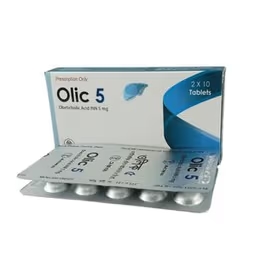
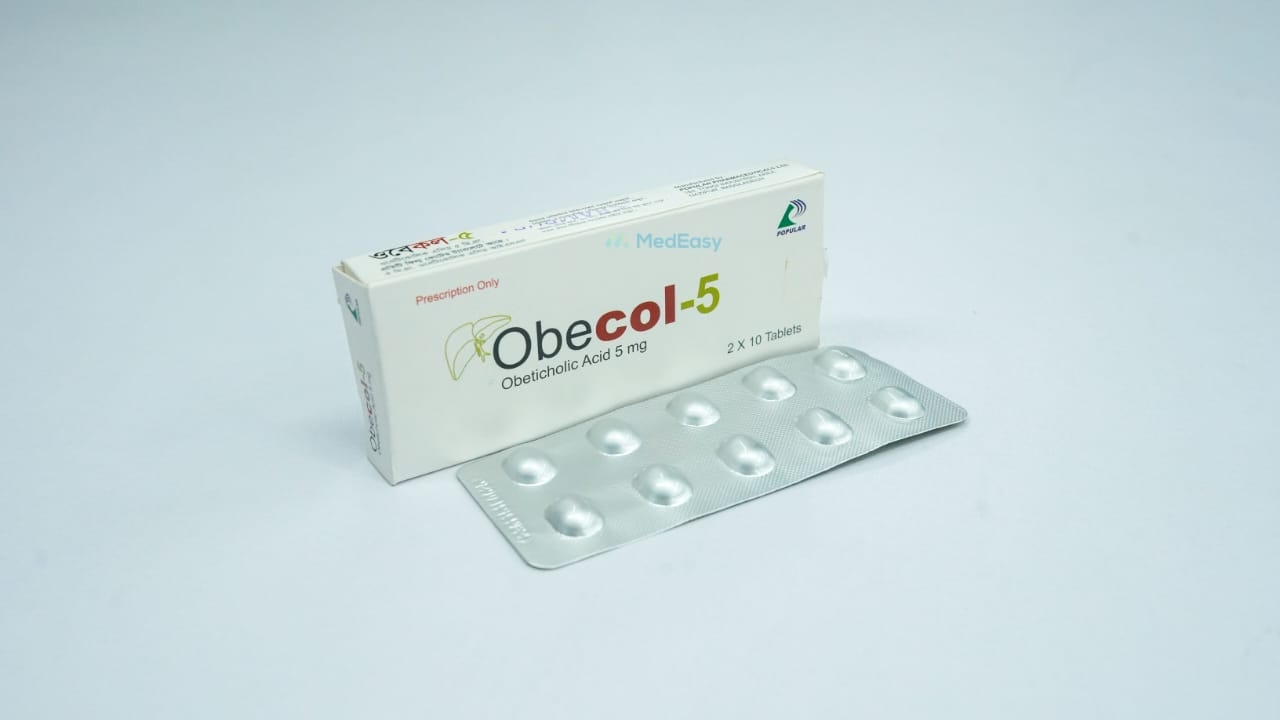
Obecol5 mg
Popular Pharmaceuticals Ltd.
৳414.00
Add to cart
Obeticholic Acid is a Farnesoid X receptor (FXR) agonist used in the treatment of primary biliary cholangitis (PBC) (formerly known as primary biliary cirrhosis), a chronic autoimmune liver disease.
Obeticholic Acid is a Farnesoid X receptor (FXR) agonist used in the treatment of primary biliary cholangitis (PBC) (formerly known as primary biliary cirrhosis), a chronic autoimmune liver disease.
Following long-term confirmatory trial data that did not show a favourable overall benefit-risk profile as second-line PBC therapy, major regulators have taken restrictive action on Obeticholic Acid: the European Medicines Agency revoked its EU marketing authorisation in 2024, and the US marketing authorisation holder voluntarily withdrew Obeticholic Acid from the US market in 2025. Availability and approved indications for Obeticholic Acid can therefore vary by country; confirm current local regulatory and marketing status with a physician or pharmacist before starting or continuing treatment.
| Step | Dose | Notes |
|---|---|---|
| Initial dose | 5 mg orally once daily | Given alone or with ursodeoxycholic acid (UDCA) |
| Dose adjustment (after 3 months) | Increase to 10 mg once daily (maximum) if response is inadequate and the 5 mg dose is well tolerated | Assessed using liver biochemistry (e.g. alkaline phosphatase, bilirubin) and tolerability |
| If 5 mg dose not tolerated | Continue at a reduced frequency as directed by the physician | Dose-related pruritus is common; see Side Effects |
Obeticholic Acid requires close hepatology supervision in any degree of hepatic impairment. It is not indicated in patients with decompensated cirrhosis or cirrhosis with portal hypertension (see Contraindications and Precautions and Warnings). Where used in mild compensated cirrhosis, treatment should begin at the lowest dose with more frequent clinical and laboratory monitoring.
If a dose of Obeticholic Acid is missed, it should be taken as soon as remembered unless the next dose is nearly due, in which case the missed dose should be skipped — do not double the dose.
The most common side effect of Obeticholic Acid is pruritus (itching), which is dose-related and can be severe enough to require dose reduction or discontinuation in some patients.
Obeticholic Acid is also not indicated for use in decompensated cirrhosis or cirrhosis with portal hypertension because of a serious risk of hepatic decompensation and failure in this population (see Precautions and Warnings).
Disclaimer
The information provided is accurate to the best of our knowledge, but it does not replace professional medical advice. We cannot guarantee its completeness or accuracy, and the absence of specific information about a drug should not be taken as an endorsement. We are not responsible for any consequences arising from this information, so please consult a healthcare professional for any concerns or questions.