
Generic medicine

Osimertinib: Brands, Price & Uses in Bangladesh

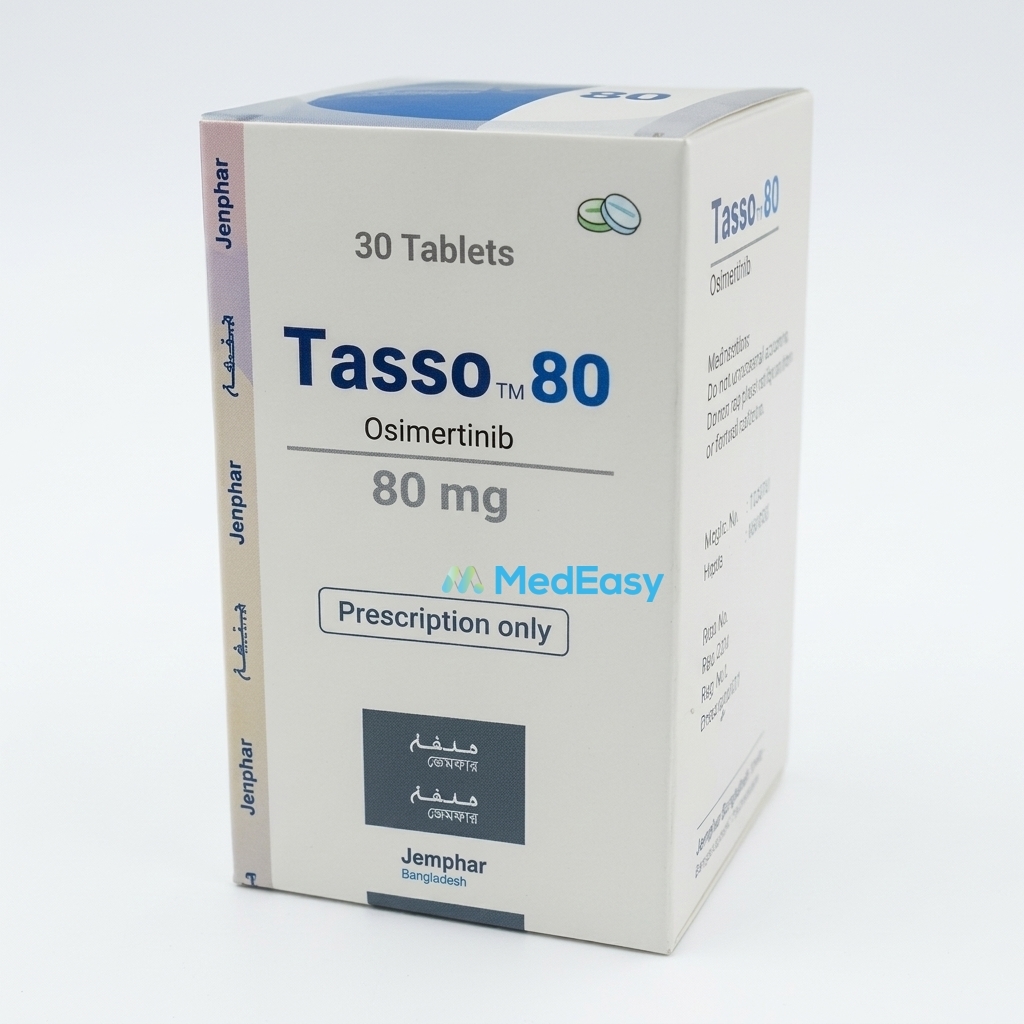
Osimertinib is a third-generation epidermal growth factor receptor (EGFR) tyrosine kinase inhibitor (TKI) indicated for the treatment of non-small cell lung cancer (NSCLC) in patients whose tumors…

Forms:Tablet

About Osimertinib

Indications of Osimertinib

Osimertinib is a third-generation epidermal growth factor receptor (EGFR) tyrosine kinase inhibitor (TKI) indicated for the treatment of non-small cell lung cancer (NSCLC) in patients whose tumors have specific EGFR mutations. Indications are classified below by strength of evidence and setting.

Established / FDA-Approved Indications

  • First-line treatment of metastatic NSCLC: As monotherapy in adult patients with metastatic NSCLC whose tumors have EGFR exon 19 deletions or exon 21 L858R mutations, as detected by an approved test.
  • First-line combination therapy: In combination with pemetrexed and platinum-based chemotherapy for first-line treatment of the same EGFR exon 19 deletion or exon 21 L858R metastatic NSCLC population (combination therapy required for this indication; not for use as monotherapy in this specific regimen).
  • Adjuvant treatment: Following tumor resection in adult patients with early-stage (Stage IB-IIIA) EGFR exon 19 deletion or exon 21 L858R mutation-positive NSCLC.
  • Locally advanced, unresectable (Stage III) NSCLC: In patients with EGFR exon 19 deletion or exon 21 L858R mutation-positive disease whose disease has not progressed during or following platinum-based chemoradiation therapy.
  • Second-line, mutation-specific treatment: Treatment of metastatic EGFR T790M mutation-positive NSCLC, as detected by an approved test, in patients whose disease has progressed on or after prior EGFR TKI therapy.

All indications require confirmed, specific EGFR mutation status (exon 19 deletion, exon 21 L858R, or T790M as applicable) prior to starting treatment; Osimertinib is a biomarker-directed therapy and is not appropriate for EGFR-mutation-negative or untested NSCLC.

Dosage & Administration of Osimertinib

General Dosing

The recommended dose of Osimertinib is 80 mg orally once daily, with or without food, taken at approximately the same time each day, until disease progression or unacceptable toxicity (see Duration of Treatment for setting-specific durations).

IndicationRecommended Dose
First-line metastatic NSCLC (monotherapy or with pemetrexed/platinum chemotherapy)80 mg once daily
Adjuvant therapy after resection80 mg once daily
Unresectable Stage III NSCLC after chemoradiation80 mg once daily
T790M-positive metastatic NSCLC (after prior EGFR TKI)80 mg once daily

Dose Modifications

Dose reduction to 40 mg once daily may be required for certain adverse reactions such as QTc prolongation, interstitial lung disease follow-up management, or other significant toxicity, per physician assessment. If concomitant use of a strong CYP3A4 inducer cannot be avoided, the dose may be increased to 160 mg once daily under close physician supervision (see Interactions).

Renal and Hepatic Impairment

No dose adjustment is required in patients with mild to moderate renal or hepatic impairment. Data in severe renal or hepatic impairment are limited; use with caution and close monitoring in these patients.

Missed Dose

If a dose of Osimertinib is missed by more than 12 hours, the missed dose should be skipped and the next dose taken at the usual scheduled time.

Side Effects of Osimertinib

Very Common

  • Diarrhea
  • Rash and dry skin
  • Nail toxicity (including paronychia)
  • Stomatitis (mouth ulcers/inflammation)
  • Fatigue
  • Musculoskeletal pain
  • Laboratory abnormalities: reduced white blood cell count (leukopenia, lymphopenia, neutropenia), low platelet count (thrombocytopenia), anemia

Serious Adverse Effects (Require Prompt Medical Attention)

  • Interstitial lung disease (ILD)/pneumonitis: Can be severe and, in rare cases, fatal. Seek prompt evaluation for any new or worsening respiratory symptoms such as shortness of breath, cough, or fever.
  • QT interval prolongation: May increase risk of abnormal heart rhythms; symptoms such as palpitations, dizziness, or fainting should be reported immediately.
  • Cardiomyopathy/reduced heart pumping function (reduced ejection fraction): May present as shortness of breath, swelling of legs/ankles, or fatigue.
  • Keratitis (eye inflammation): May present as eye pain, redness, light sensitivity, blurred vision, or excessive tearing; requires prompt ophthalmology referral.

Contraindications of Osimertinib

Osimertinib is contraindicated in patients with known severe hypersensitivity to osimertinib or any component of the formulation.

Frequently Asked Questions about Osimertinib

What is Osimertinib used for?

Osimertinib is used to treat non-small cell lung cancer (NSCLC) in patients whose tumors carry specific EGFR mutations (exon 19 deletion, exon 21 L858R, or T790M), including as first-line therapy, after surgery (adjuvant), after chemoradiation in unresectable disease, and after progression on an earlier EGFR-targeted drug.

Do I need a genetic test before starting Osimertinib?

Yes. Osimertinib should only be started after your tumor has been confirmed to carry an appropriate EGFR mutation using an approved laboratory test, since it works specifically against tumors with these mutations.

What are the most serious side effects of Osimertinib?

The most serious risks with Osimertinib include interstitial lung disease/pneumonitis (lung inflammation that can be severe or fatal), heart rhythm changes (QT prolongation), reduced heart pumping function (cardiomyopathy), and eye inflammation (keratitis). Report any new breathing difficulty, cough, fever, palpitations, dizziness, fainting, leg swelling, or eye symptoms to your doctor immediately.

Can Osimertinib be used during pregnancy or breastfeeding?

Osimertinib can harm an unborn baby and is not recommended during pregnancy; effective contraception should be used during treatment and for a period after the last dose, as advised by your physician. Breastfeeding is also not recommended during treatment with Osimertinib and for some time after the last dose. Always consult your physician about family planning while on this medicine.

How should I take Osimertinib?

Osimertinib is usually taken as one tablet (80 mg) by mouth once daily, with or without food, at about the same time each day. Swallow the tablet whole; do not crush or chew it. If you cannot swallow tablets, ask your physician about dispersing it in water as directed.

What should I do if I miss a dose or think I've taken too much Osimertinib?

If you miss a dose by more than 12 hours, skip it and take your next dose at the usual time — do not double the dose. If you suspect an overdose, seek immediate medical attention or contact a poison control center right away.

Disclaimer

The information provided is accurate to the best of our knowledge, but it does not replace professional medical advice. We cannot guarantee its completeness or accuracy, and the absence of specific information about a drug should not be taken as an endorsement. We are not responsible for any consequences arising from this information, so please consult a healthcare professional for any concerns or questions.
DoctorBlogArticles