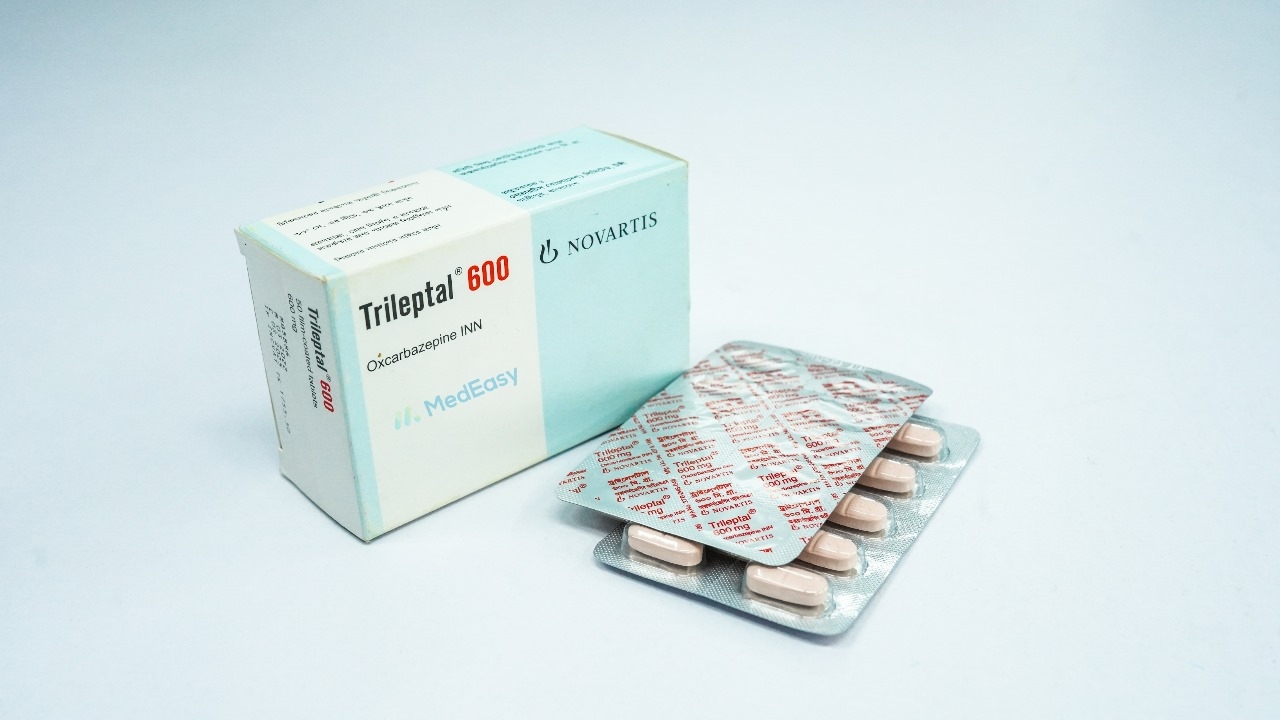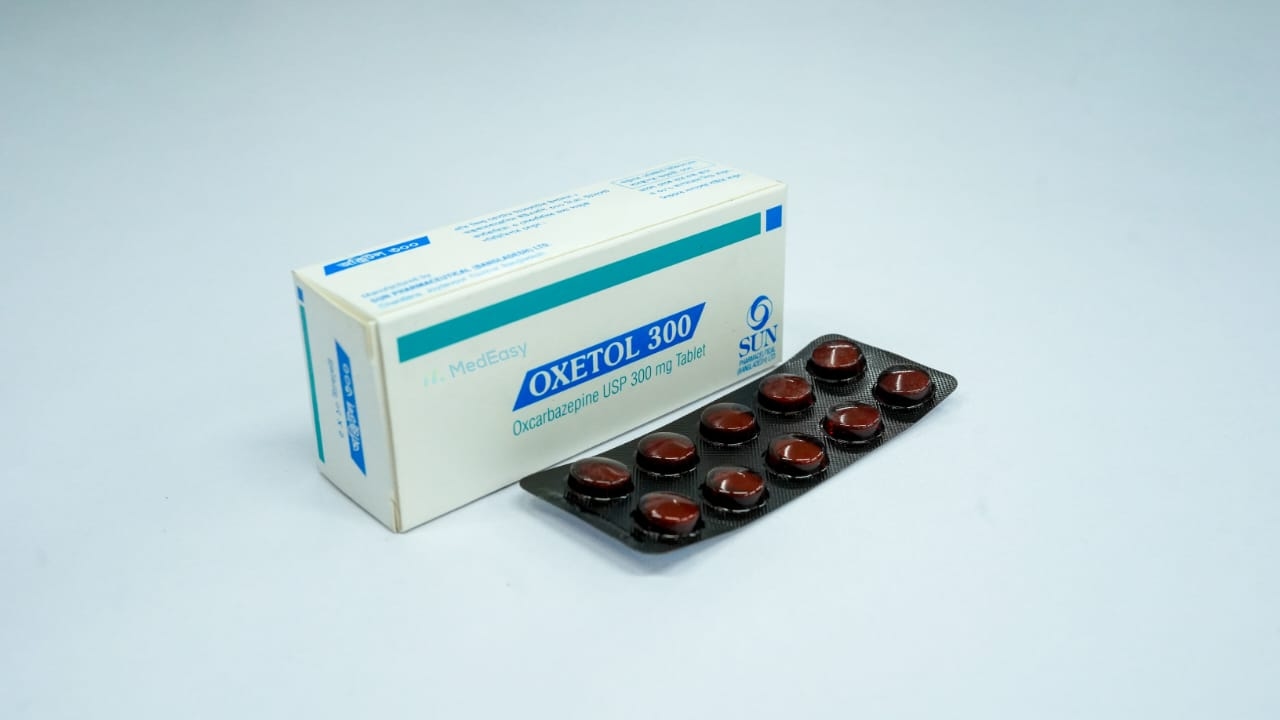
Generic medicine

Oxcarbazepine: Brands, Price & Uses in Bangladesh

Oxcarbazepine is an anticonvulsant (antiepileptic) medicine indicated for the treatment of partial-onset (focal) seizures.

Forms:TabletTablet (Extended Release)Oral Suspension

About Oxcarbazepine

Indications of Oxcarbazepine

Oxcarbazepine is an anticonvulsant (antiepileptic) medicine indicated for the treatment of partial-onset (focal) seizures.

Established / FDA-approved uses

  • Monotherapy in the treatment of partial seizures in adults and in children 4 years of age and older.
  • Adjunctive therapy (used together with other antiepileptic drugs) in the treatment of partial seizures in adults and in children 4 years of age and older.

Off-label / less-established uses

  • Oxcarbazepine is sometimes used off-label for neuropathic pain (e.g. trigeminal neuralgia) and for mood stabilization in bipolar disorder, although it is not FDA-approved for these uses and evidence is more limited than for approved anticonvulsants used for these indications.

Use of Oxcarbazepine for any indication should be guided and monitored by a physician.

Dosage & Administration of Oxcarbazepine

Adults - Monotherapy

Initial dose: 300 mg twice daily. May be increased by up to 300 mg/day every third day to a target dose of 1200 mg/day, based on clinical response.

Adults - Adjunctive therapy

Initial dose: 300 mg twice daily, added to existing therapy. Increase by a maximum of 600 mg/day at approximately weekly intervals,to an achieved daily dose of 600-2400 mg/day, as needed and tolerated.

Children (4 years and older)

UseDosing approach
Adjunctive therapyWeight-based starting dose (approximately 8-10 mg/kg/day divided twice daily), titrated over about 2 weeks to a weight-based maintenance dose (higher mg/kg doses for lower body weights), as advised by the treating physician.
MonotherapyWeight-based initial and maintenance dosing similar in principle to adjunctive therapy, individualized by the physician.

Renal impairment

In patients with creatinine clearance less than 30 mL/min, therapy should be started at half the usual starting dose (300 mg/day) with slower titration, due to reduced clearance of the active metabolite.

General

Oxcarbazepine can be taken with or without food. Do not stop Oxcarbazepine abruptly without medical advice, as this can increase the risk of seizures; dose reduction should be gradual (tapered) when discontinuing.

Side Effects of Oxcarbazepine

Common side effects of Oxcarbazepine include:

  • Dizziness and somnolence (sleepiness)
  • Diplopia (double vision) and other visual disturbances
  • Ataxia (unsteady gait/coordination problems)
  • Headache and fatigue
  • Nausea and vomiting
  • Abnormal gait, tremor, nystagmus
  • Rash

Hyponatremia (low blood sodium) is a notable and relatively common side effect of Oxcarbazepine, more so than with many other anticonvulsants; it can occasionally be severe (see Precautions and Warnings).

Serious but less common side effects that require prompt medical attention include serious skin reactions (see Precautions and Warnings), multi-organ hypersensitivity reactions, and mood/behavioral changes including suicidal thoughts.

Contraindications of Oxcarbazepine

Oxcarbazepine is contraindicated in patients with a known hypersensitivity to Oxcarbazepine or to any of its excipients.

Because Oxcarbazepine is chemically related to carbamazepine, patients who have had a hypersensitivity reaction to carbamazepine should be aware that cross-hypersensitivity to Oxcarbazepine occurs in a notable proportion of such patients (approximately one in four); Oxcarbazepine should not be used in patients with known hypersensitivity to carbamazepine unless the potential benefit is judged by the physician to outweigh the risk, with close monitoring.

Frequently Asked Questions about Oxcarbazepine

What is Oxcarbazepine used for?

Oxcarbazepine is an anticonvulsant medicine used to treat partial-onset (focal) seizures in adults and children 4 years of age and older, either alone (monotherapy) or together with other antiepileptic medicines (adjunctive therapy).

How should I take Oxcarbazepine?

Take Oxcarbazepine exactly as prescribed by your physician, at the same times each day, with or without food. Tablets should be swallowed whole with liquid; the oral suspension should be shaken well before measuring the dose. Do not stop Oxcarbazepine suddenly without medical advice, as this can increase the risk of seizures.

Can Oxcarbazepine affect birth control pills?

Yes. Oxcarbazepine can reduce the effectiveness of hormonal contraceptives. Women taking Oxcarbazepine who wish to avoid pregnancy should discuss using an additional or alternative non-hormonal method of contraception with their physician.

What is the most important side effect to watch for with Oxcarbazepine?

Oxcarbazepine can cause low blood sodium (hyponatremia), which is more common than with many other seizure medicines. Symptoms can include nausea, headache, confusion, or worsening seizures. Contact your physician if these occur, as blood sodium levels may need to be checked, especially early in treatment.

Is Oxcarbazepine safe during pregnancy?

Oxcarbazepine should be used during pregnancy only if clearly needed and if your physician determines the benefit outweighs the potential risk to the baby, since antiepileptic drugs including Oxcarbazepine have been associated with an increased risk of birth defects. Do not stop Oxcarbazepine on your own if you become pregnant; talk to your physician, who may recommend folic acid supplementation.

What should I do if I miss a dose of Oxcarbazepine or take too much?

If you miss a dose of Oxcarbazepine, take it as soon as you remember unless it is almost time for the next dose; do not double the dose. If you or someone else has taken too much Oxcarbazepine and shows symptoms such as severe drowsiness, unsteadiness, or loss of consciousness, seek immediate medical attention or contact emergency services / a poison control center right away.

Disclaimer

The information provided is accurate to the best of our knowledge, but it does not replace professional medical advice. We cannot guarantee its completeness or accuracy, and the absence of specific information about a drug should not be taken as an endorsement. We are not responsible for any consequences arising from this information, so please consult a healthcare professional for any concerns or questions.

DoctorBlogArticles