
Generic medicine

Paracetamol + Tramadol Hydrochloride: Brands, Price & Uses in Bangladesh

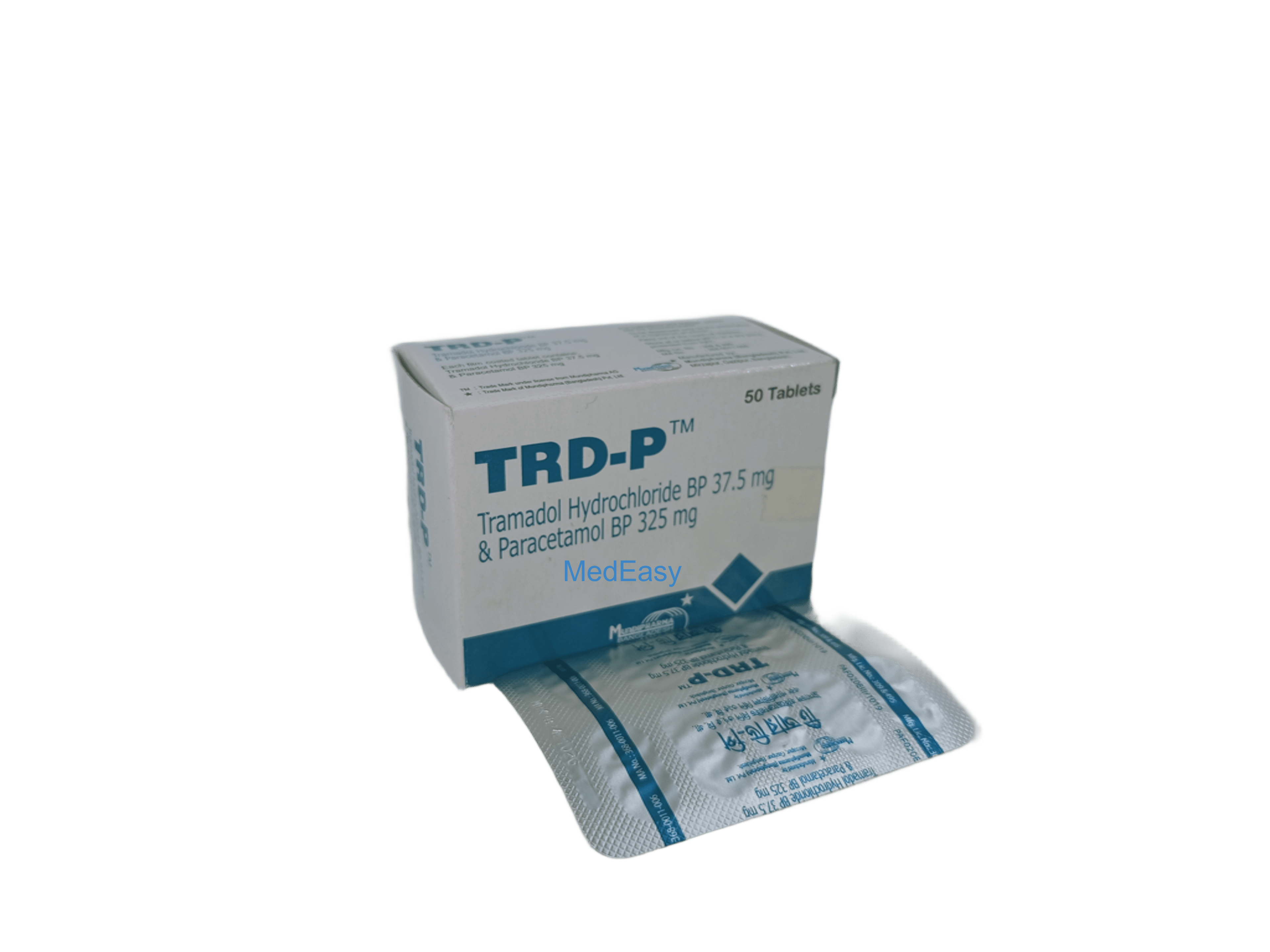
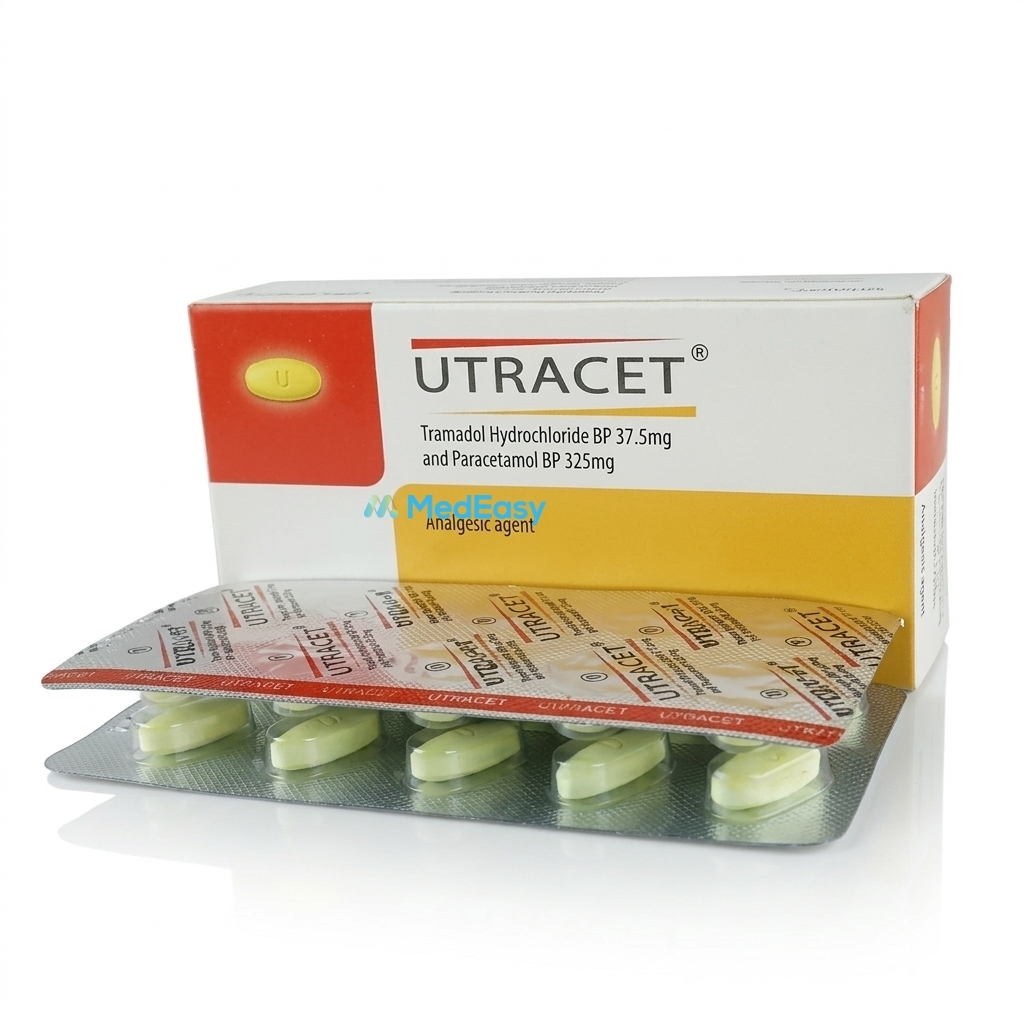
Paracetamol + Tramadol Hydrochloride is a fixed-dose combination analgesic containing a non-opioid analgesic/antipyretic (paracetamol) and a centrally acting synthetic opioid analgesic (tramadol).

Forms:Tablet

About Paracetamol + Tramadol Hydrochloride

Indications of Paracetamol + Tramadol Hydrochloride

Paracetamol + Tramadol Hydrochloride is a fixed-dose combination analgesic containing a non-opioid analgesic/antipyretic (paracetamol) and a centrally acting synthetic opioid analgesic (tramadol). It is indicated for the following:

Established/Approved Uses

  • Management of moderate to moderately severe pain in adults, such as postoperative pain, musculoskeletal pain, dental pain, and pain following minor trauma, when combined use of an opioid and a non-opioid analgesic is appropriate.
  • Short-term (five days or less) management of acute pain, particularly when a rapid onset combined with sustained analgesia is required and the potential benefits outweigh the risks of opioid use.

Important Note on Use

Paracetamol + Tramadol Hydrochloride is intended for short-term, as-needed use at the lowest effective dose for the shortest duration consistent with the treatment goals of the patient, because of the opioid component's risk of misuse, abuse, addiction, and respiratory depression, and the paracetamol component's risk of hepatotoxicity with prolonged or excessive use.

Dosage & Administration of Paracetamol + Tramadol Hydrochloride

Adults

IndicationDoseMaximum
Moderate to moderately severe pain1-2 tablets orally every 4-6 hours as needed8 tablets (i.e., up to 300 mg tramadol / 2600 mg paracetamol) per day
Short-term acute pain (≤5 days)2 tablets orally every 4-6 hours as needed8 tablets per day

Renal Impairment

In patients with creatinine clearance below 30 mL/min, the dosing interval should be extended (e.g., not more than every 12 hours), and total daily dose reduced, under medical supervision.

Hepatic Impairment

Use in patients with hepatic impairment is generally not recommended due to the paracetamol component's hepatotoxic potential and reduced tramadol clearance; if used, doses must be reduced and closely supervised by a physician.

Elderly

A lower starting dose and longer dosing interval may be appropriate in patients over 75 years due to reduced clearance of both components.

Paracetamol + Tramadol Hydrochloride should be taken exactly as prescribed, at the lowest effective dose for the shortest duration necessary, and may be taken with or without food. Do not use with any other paracetamol-containing or tramadol-containing product.

Side Effects of Paracetamol + Tramadol Hydrochloride

The most commonly reported adverse effects of Paracetamol + Tramadol Hydrochloride include:

  • Nausea, vomiting, constipation, dry mouth, abdominal pain, dyspepsia
  • Dizziness, drowsiness, headache, tremor, asthenia/fatigue
  • Sweating, pruritus, rash
  • Anxiety, insomnia, confusion (particularly in elderly patients)

Less common but serious adverse effects include seizures, serotonin syndrome, respiratory depression, severe allergic reactions (including anaphylaxis and angioedema), and hepatotoxicity (with overdose or excessive cumulative paracetamol intake). See Precautions and Warnings for details on these serious risks.

Contraindications of Paracetamol + Tramadol Hydrochloride

Paracetamol + Tramadol Hydrochloride is contraindicated in the following situations:

  • Known hypersensitivity to paracetamol, tramadol, or any component of the formulation.
  • Known hypersensitivity or intolerance to opioids, or situations in which opioids are otherwise contraindicated (e.g., significant respiratory depression, acute or severe bronchial asthma in an unmonitored setting, known or suspected gastrointestinal obstruction including paralytic ileus).
  • Concomitant use or use within 14 days of monoamine oxidase inhibitors (MAOIs).
  • Acute intoxication with alcohol, hypnotics, centrally acting analgesics, opioids, or psychotropic drugs.
  • Severe hepatic impairment.
  • Children under 12 years of age, and patients under 18 years following tonsillectomy and/or adenoidectomy (due to the tramadol component; see Use in Special Populations).

Frequently Asked Questions about Paracetamol + Tramadol Hydrochloride

What is Paracetamol + Tramadol Hydrochloride used for?

Paracetamol + Tramadol Hydrochloride is a combination analgesic used for the management of moderate to moderately severe pain in adults, including short-term (five days or less) treatment of acute pain, such as after surgery, dental procedures, or injury.

Can I take other paracetamol-containing medicines while using this drug?

No. You should not take any other product containing paracetamol/acetaminophen while using Paracetamol + Tramadol Hydrochloride, because combining sources of paracetamol significantly increases the risk of serious, potentially fatal liver damage. Always check the ingredients of any other medicine, including over-the-counter cold or pain remedies, before combining.

Is Paracetamol + Tramadol Hydrochloride safe during pregnancy or breastfeeding?

Paracetamol + Tramadol Hydrochloride is not recommended during pregnancy or breastfeeding because the tramadol component can cause respiratory depression and, with prolonged use in pregnancy, neonatal withdrawal syndrome in the baby. It should be used only if a physician determines the potential benefit clearly justifies the potential risk, and only under close medical supervision.

Can children take Paracetamol + Tramadol Hydrochloride?

Paracetamol + Tramadol Hydrochloride is contraindicated in children under 12 years of age and in anyone under 18 years who has recently had tonsillectomy or adenoidectomy surgery, due to the risk of severe, life-threatening breathing problems from the tramadol component. It should never be given to children in these groups.

What are the serious risks I should know about before taking this medicine?

Paracetamol + Tramadol Hydrochloride carries risks of severe liver damage from the paracetamol component (especially with overdose or combining with other paracetamol products), and from the tramadol component: seizures, serotonin syndrome (especially when combined with antidepressants or other serotonergic drugs), serious breathing problems (especially with alcohol or other sedating medicines), and risk of dependence or withdrawal with prolonged use. Take this medicine exactly as prescribed and do not exceed the recommended dose or duration.

What should I do if I think I have taken too much of this medicine?

An overdose of Paracetamol + Tramadol Hydrochloride is a medical emergency, even if you feel well initially, because the paracetamol component can cause serious liver damage that may not be apparent for a day or two. Seek immediate emergency medical attention or contact a poison control center right away rather than trying to manage the situation at home.

Disclaimer

The information provided is accurate to the best of our knowledge, but it does not replace professional medical advice. We cannot guarantee its completeness or accuracy, and the absence of specific information about a drug should not be taken as an endorsement. We are not responsible for any consequences arising from this information, so please consult a healthcare professional for any concerns or questions.
DoctorBlogArticles