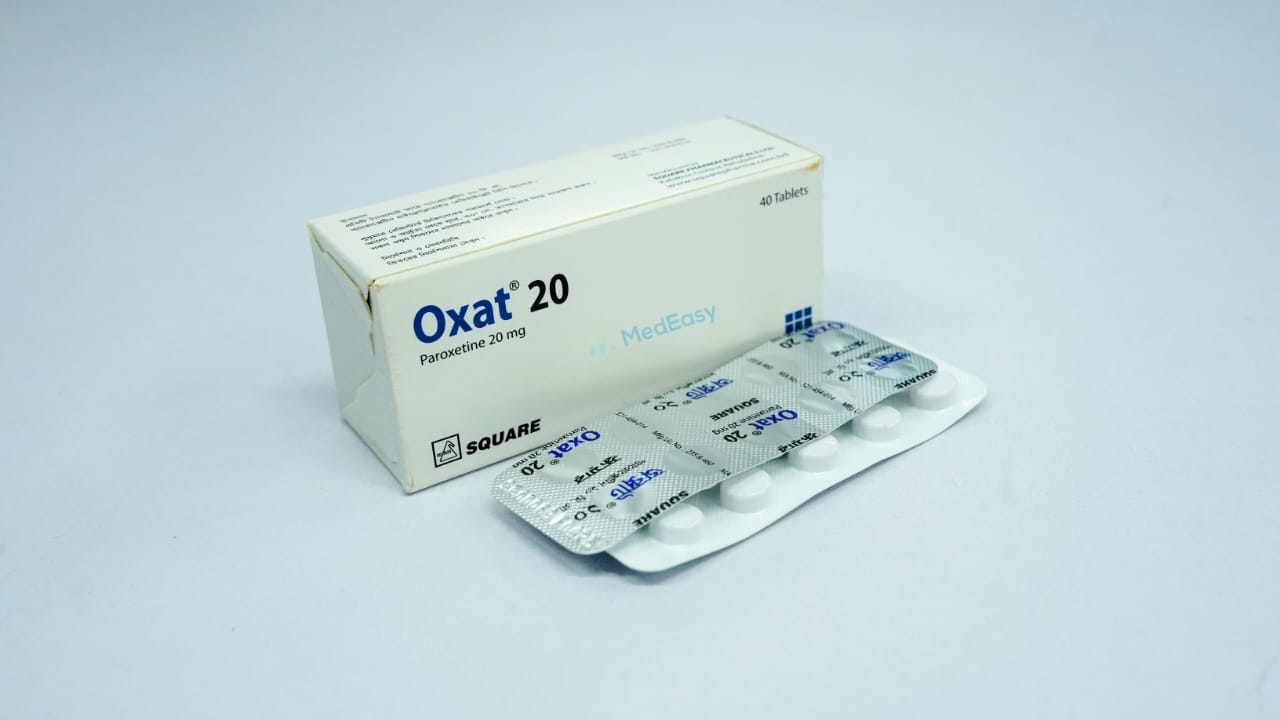
Generic medicine

Paroxetine Hydrochloride: Brands, Price & Uses in Bangladesh

Paroxetine Hydrochloride is a selective serotonin reuptake inhibitor (SSRI) indicated for the treatment of the following conditions and more.

Forms:Tablet

About Paroxetine Hydrochloride

Indications of Paroxetine Hydrochloride

Paroxetine Hydrochloride is a selective serotonin reuptake inhibitor (SSRI) indicated for the treatment of the following conditions, classified by strength of evidence:

FDA-Approved / Established Indications

  • Major Depressive Disorder (MDD) in adults.
  • Generalized Anxiety Disorder (GAD).
  • Panic Disorder, with or without agoraphobia.
  • Social Anxiety Disorder (Social Phobia).
  • Obsessive-Compulsive Disorder (OCD).
  • Post-Traumatic Stress Disorder (PTSD).
  • Premenstrual Dysphoric Disorder (PMDD) (controlled-release formulation).

Off-Label Uses (Evidence-Based but Not FDA-Approved)

  • Vasomotor symptoms (hot flashes) associated with menopause, at low doses, in women who cannot use hormone therapy.
  • Premature ejaculation, used off-label under specialist guidance.

Use of Paroxetine Hydrochloride should always be individualized and guided by a qualified physician based on diagnosis and risk-benefit assessment.

Dosage & Administration of Paroxetine Hydrochloride

Dosing of Paroxetine Hydrochloride should be individualized, starting at a low dose with gradual titration.

IndicationStarting Dose (Adult)Usual Target DoseMaximum Dose
Major Depressive Disorder20 mg once daily (morning)20 mg/day50 mg/day
Generalized Anxiety Disorder20 mg once daily20 mg/day50 mg/day
Panic Disorder10 mg once daily40 mg/day60 mg/day
Social Anxiety Disorder20 mg once daily20 mg/day60 mg/day
Obsessive-Compulsive Disorder20 mg once daily40 mg/day60 mg/day
Post-Traumatic Stress Disorder20 mg once daily20 mg/day50 mg/day

Dose Adjustments

  • Severe renal impairment (CrCl <30 mL/min): initiate at 10 mg/day; titrate cautiously.
  • Severe hepatic impairment: initiate at 10 mg/day; titrate cautiously.
  • Elderly/debilitated patients: initiate at 10 mg/day; usual maximum 40 mg/day.

Dose increases, when needed, should generally occur at intervals of at least one week. Discontinuation must be gradual (tapered), not abrupt, to minimize discontinuation symptoms (see Precautions and Warnings).

Side Effects of Paroxetine Hydrochloride

Side effects associated with Paroxetine Hydrochloride range from common and mild to rare but serious.

Common Side Effects

  • Nausea, dry mouth, constipation, decreased appetite
  • Somnolence, dizziness, tremor, headache, insomnia
  • Excessive sweating, asthenia (weakness)
  • Sexual dysfunction (decreased libido, delayed ejaculation, anorgasmia)
  • Weight changes

Serious/Less Common Side Effects

  • Increased risk of suicidal thoughts/behavior, particularly in patients under 25 (see Precautions and Warnings).
  • Serotonin syndrome (agitation, hallucination, tachycardia, fever, muscle rigidity, loss of coordination).
  • Activation of mania/hypomania in patients with underlying bipolar disorder.
  • Hyponatremia, particularly in elderly patients.
  • Abnormal bleeding.
  • Angle-closure glaucoma (rare).
  • Discontinuation symptoms upon abrupt cessation (see Precautions and Warnings).

Contraindications of Paroxetine Hydrochloride

Paroxetine Hydrochloride is contraindicated in the following situations:

  • Known hypersensitivity to paroxetine or any component of the formulation.
  • Concurrent use, or use within 14 days, of a monoamine oxidase inhibitor (MAOI), due to the risk of serotonin syndrome.
  • Concurrent use with thioridazine, due to the risk of QT prolongation and serious ventricular arrhythmia.
  • Concurrent use with pimozide, due to the risk of QT prolongation and serious ventricular arrhythmia.

Frequently Asked Questions about Paroxetine Hydrochloride

What is Paroxetine Hydrochloride used for?

Paroxetine Hydrochloride is an SSRI antidepressant used to treat major depressive disorder, generalized anxiety disorder, panic disorder, social anxiety disorder, obsessive-compulsive disorder, and post-traumatic stress disorder.

How long does it take for Paroxetine Hydrochloride to work?

It may take 2-4 weeks of regular use of Paroxetine Hydrochloride before noticeable improvement occurs, and up to 6-8 weeks for full benefit. Continue taking it as prescribed even if you do not feel an immediate effect.

Can I stop taking Paroxetine Hydrochloride suddenly?

No. Stopping Paroxetine Hydrochloride abruptly can cause discontinuation symptoms such as dizziness, electric-shock-like sensations, irritability, and sleep disturbances. Always taper the dose gradually under your physician's supervision.

Is Paroxetine Hydrochloride safe during pregnancy?

Paroxetine Hydrochloride should be used during pregnancy only if clearly needed, as it has been associated with a potential increased risk of congenital heart defects (especially with first-trimester use) and newborn complications with late-pregnancy use. Consult your physician before starting, stopping, or continuing this medicine during pregnancy.

Who should not take Paroxetine Hydrochloride?

Paroxetine Hydrochloride should not be used by people with known hypersensitivity to it, those taking (or who have taken within the last 14 days) a monoamine oxidase inhibitor (MAOI), or those taking thioridazine or pimozide, due to serious risks including serotonin syndrome and dangerous heart rhythm problems.

Can children take Paroxetine Hydrochloride?

Paroxetine Hydrochloride is not recommended for treating depression in children and adolescents, as studies did not show it to be effective in this age group and showed an increased risk of suicidal thoughts. Any pediatric use for other conditions should only occur under close specialist supervision.

Disclaimer

The information provided is accurate to the best of our knowledge, but it does not replace professional medical advice. We cannot guarantee its completeness or accuracy, and the absence of specific information about a drug should not be taken as an endorsement. We are not responsible for any consequences arising from this information, so please consult a healthcare professional for any concerns or questions.

DoctorBlogArticles
