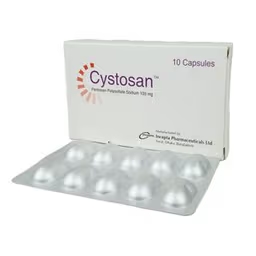
Generic medicine

Pentosan Polysulfate Sodium: Brands, Price & Uses in Bangladesh

Pentosan Polysulfate Sodium is an oral medication indicated for the relief of bladder pain or discomfort associated with interstitial cystitis (also known as painful bladder syndrome).

Forms:Capsule

About Pentosan Polysulfate Sodium

Indications of Pentosan Polysulfate Sodium

Pentosan Polysulfate Sodium is an oral medication indicated for the relief of bladder pain or discomfort associated with interstitial cystitis (also known as painful bladder syndrome).

  • Established/FDA-approved use: Symptomatic relief of bladder pain/discomfort in adults with interstitial cystitis.

Pentosan Polysulfate Sodium is not indicated for the treatment of urinary tract infection, overactive bladder, or other unrelated urologic conditions, and is not approved for pediatric use. No other well-established guideline-supported or off-label uses are recognized for Pentosan Polysulfate Sodium; it should be used only for the labeled indication above.

Dosage & Administration of Pentosan Polysulfate Sodium

Adult Dose

IndicationDoseFrequency
Interstitial cystitis (bladder pain relief)100 mg orallyThree times daily (with water, on an empty stomach - at least 1 hour before or 2 hours after meals)

Administration

  • Swallow capsules whole with a full glass of water; do not crush or chew.
  • Take on an empty stomach, as food significantly reduces absorption.
  • Continue treatment as directed even if symptom improvement is not immediate - benefit may take several months to appear.

Renal/Hepatic Impairment

No formal dose adjustment has been well established for renal impairment; however, Pentosan Polysulfate Sodium should be used with caution in patients with hepatic impairment because of the associated risk of coagulopathy and its mild anticoagulant effect (see Precautions and Warnings).

Pediatric Dose

Safety and efficacy of Pentosan Polysulfate Sodium have not been established in pediatric patients; it is not recommended for use in children.

Side Effects of Pentosan Polysulfate Sodium

The most commonly reported side effects of Pentosan Polysulfate Sodium involve the gastrointestinal system and hair:

  • Common: Diarrhea, nausea, dyspepsia (indigestion), abdominal pain, headache.
  • Hair loss (alopecia): Usually mild and reversible after stopping treatment.
  • Bleeding-related effects: Due to its mild anticoagulant activity, bruising, gum bleeding, or rectal bleeding may rarely occur (see Interactions and Precautions).
  • Ocular effects: Retinal pigmentary maculopathy has been reported with long-term use (see Precautions and Warnings for details).
  • Less common: Dizziness, rash, liver enzyme elevations.

Patients should report any unusual bleeding, vision changes, or persistent gastrointestinal symptoms to their physician.

Contraindications of Pentosan Polysulfate Sodium

Pentosan Polysulfate Sodium is contraindicated in patients with known hypersensitivity to Pentosan Polysulfate Sodium or to any component of the formulation.

Frequently Asked Questions about Pentosan Polysulfate Sodium

What is Pentosan Polysulfate Sodium used for?

Pentosan Polysulfate Sodium is an oral medication used to relieve bladder pain and discomfort associated with interstitial cystitis (painful bladder syndrome). It is not a general painkiller or antibiotic.

How long does it take for Pentosan Polysulfate Sodium to work?

Improvement in bladder pain with Pentosan Polysulfate Sodium is often gradual and may take up to several months of continuous use to become noticeable. Patients are generally advised to continue treatment for at least 3 to 6 months before concluding it is not effective, unless a physician advises otherwise.

How should I take Pentosan Polysulfate Sodium?

Pentosan Polysulfate Sodium should be taken orally, swallowed whole with a full glass of water, on an empty stomach - at least 1 hour before or 2 hours after meals - because food reduces its absorption. The usual adult dose is 100 mg three times daily unless a physician prescribes otherwise.

Can Pentosan Polysulfate Sodium affect my eyes?

Yes. Long-term use of Pentosan Polysulfate Sodium, especially over several years, has been associated with retinal pigmentary maculopathy, a potentially vision-threatening eye condition. A baseline eye examination before starting treatment and periodic eye exams during long-term use are recommended. Report any vision changes to your doctor promptly.

Is Pentosan Polysulfate Sodium safe to take with blood thinners?

Pentosan Polysulfate Sodium has a mild heparin-like anticoagulant effect and can increase bleeding risk when combined with anticoagulants, antiplatelet agents (like aspirin), or NSAIDs. Inform your physician about all medications you take, especially before surgery or dental procedures.

Can Pentosan Polysulfate Sodium be used during pregnancy or breastfeeding?

Data on Pentosan Polysulfate Sodium use during pregnancy are limited, and it is not known whether it passes into breast milk. It should be used during pregnancy or lactation only if clearly needed and a physician determines the benefit outweighs the potential risk.

Disclaimer

The information provided is accurate to the best of our knowledge, but it does not replace professional medical advice. We cannot guarantee its completeness or accuracy, and the absence of specific information about a drug should not be taken as an endorsement. We are not responsible for any consequences arising from this information, so please consult a healthcare professional for any concerns or questions.
DoctorBlogArticles