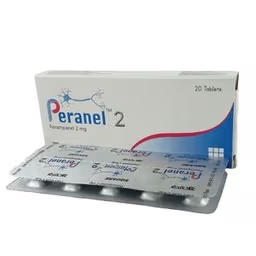
Generic medicine

Perampanel: Brands, Price & Uses in Bangladesh

Established (FDA-approved) indications Perampanel is indicated as adjunctive (add-on) treatment of partial-onset seizures, with or without secondarily generalized seizures and more.

Forms:Tablet

About Perampanel

Indications of Perampanel

Established (FDA-approved) indications

  • Perampanel is indicated as adjunctive (add-on) treatment of partial-onset seizures, with or without secondarily generalized seizures, in patients within the approved pediatric and adult age range.
  • Perampanel is also indicated as adjunctive treatment of primary generalized tonic-clonic seizures in patients within the approved age range.

Important notes on evidence and use

  • Perampanel has been studied and approved only as an add-on to other antiepileptic drugs, not as monotherapy; its use as a sole agent is not an established indication.
  • Use outside the approved seizure types or age groups (off-label use) should be individualized by a specialist and is not a routine recommendation.

Dosage & Administration of Perampanel

General principles

Treatment with Perampanel should be initiated and supervised by a physician experienced in the management of epilepsy. Because of its long half-life, the dose of Perampanel should be increased gradually, generally no more often than every 1–2 weeks, based on clinical response and tolerability.

Dosing by indication (adult and adolescent patients within the approved age range)

IndicationStarting doseTitrationUsual maintenance dose
Partial-onset seizures (adjunctive)2 mg once daily at bedtimeIncrease by 2 mg/day at intervals of at least 1 week (2 weeks if not on strong CYP3A-inducing antiepileptics)4–12 mg once daily, individualized
Primary generalized tonic-clonic seizures (adjunctive)2 mg once daily at bedtimeIncrease gradually as above8 mg once daily (some patients may need up to 12 mg based on response and tolerability)

Pediatric dosing

In children within the approved age range for partial-onset seizures, dosing generally follows the same starting dose and gradual titration schedule as adults, with the maintenance dose individualized by body weight/response and supervised by a pediatric neurologist. Safety and efficacy of Perampanel have not been established below the approved minimum age for each indication.

Hepatic impairment

In patients with mild to moderate hepatic impairment, a lower starting dose and slower titration (increases no more often than every 2 weeks) are recommended. Use in severe hepatic impairment is not recommended.

Renal impairment

No dose adjustment is generally required in mild-to-moderate renal impairment; Perampanel has not been studied in severe renal impairment or patients on dialysis, so caution is advised.

Missed dose / discontinuation

If a dose is missed, it should be taken as soon as remembered unless it is close to the next dose. Perampanel should not be stopped abruptly; discontinuation should be gradual and under medical supervision because of the risk of increased seizure frequency (see Precautions and Warnings).

Side Effects of Perampanel

Common side effects

  • Dizziness
  • Somnolence (sleepiness) and fatigue
  • Irritability
  • Ataxia and gait disturbance / fall risk
  • Headache
  • Nausea and vomiting
  • Weight gain
  • Blurred vision

Serious side effects

Serious neuropsychiatric reactions (aggression, hostility, anger, homicidal ideation or threats), falls related to dizziness/gait disturbance, and suicidal thoughts or behavior can occur — see Precautions and Warnings for details. Patients should seek prompt medical attention for any significant mood or behavior change.

Contraindications of Perampanel

Perampanel is contraindicated in patients with known hypersensitivity to Perampanel or to any component of the formulation.

Frequently Asked Questions about Perampanel

What is Perampanel used for?

Perampanel is used as an add-on (adjunctive) treatment, together with other antiepileptic medicines, for partial-onset seizures and for primary generalized tonic-clonic seizures in patients within the approved age range. It is not used as a stand-alone (monotherapy) treatment.

How should I take Perampanel?

Perampanel is usually taken once daily at bedtime, with or without food, swallowed whole with water. Your doctor will start you on a low dose and increase it gradually, usually not more often than every 1–2 weeks, to reduce side effects.

What are the most important warnings for Perampanel?

Perampanel carries a boxed warning for serious neuropsychiatric events, including aggression, hostility, anger, irritability, and homicidal ideation or threats, which can occur at any time but are more common early in treatment or after a dose increase. Perampanel can also cause dizziness and problems with coordination that increase the risk of falls, and like other antiepileptic drugs may increase the risk of suicidal thoughts. Report any new or worsening mood or behavior changes to your doctor immediately.

Can I stop taking Perampanel suddenly if I feel better?

No. Perampanel should never be stopped abruptly, as this can cause seizures to return or worsen, including status epilepticus. If treatment needs to be stopped, your doctor will taper the dose gradually.

Can Perampanel be used during pregnancy or breastfeeding?

Perampanel should be used in pregnancy only if the potential benefit clearly outweighs the potential risk to the baby, since antiepileptic drugs as a class carry teratogenic risk considerations; do not stop Perampanel on your own if you become pregnant — talk to your doctor first. It is not well established whether Perampanel passes into breast milk, so breastfeeding while taking Perampanel should be discussed with your physician.

Does Perampanel interact with birth control pills?

Yes. At doses of 12 mg/day, Perampanel can reduce the effectiveness of progestin-containing hormonal contraceptives. Women of childbearing potential taking Perampanel with hormonal birth control should use an additional non-hormonal method of contraception and discuss this with their doctor.

Disclaimer

The information provided is accurate to the best of our knowledge, but it does not replace professional medical advice. We cannot guarantee its completeness or accuracy, and the absence of specific information about a drug should not be taken as an endorsement. We are not responsible for any consequences arising from this information, so please consult a healthcare professional for any concerns or questions.

DoctorBlogArticles