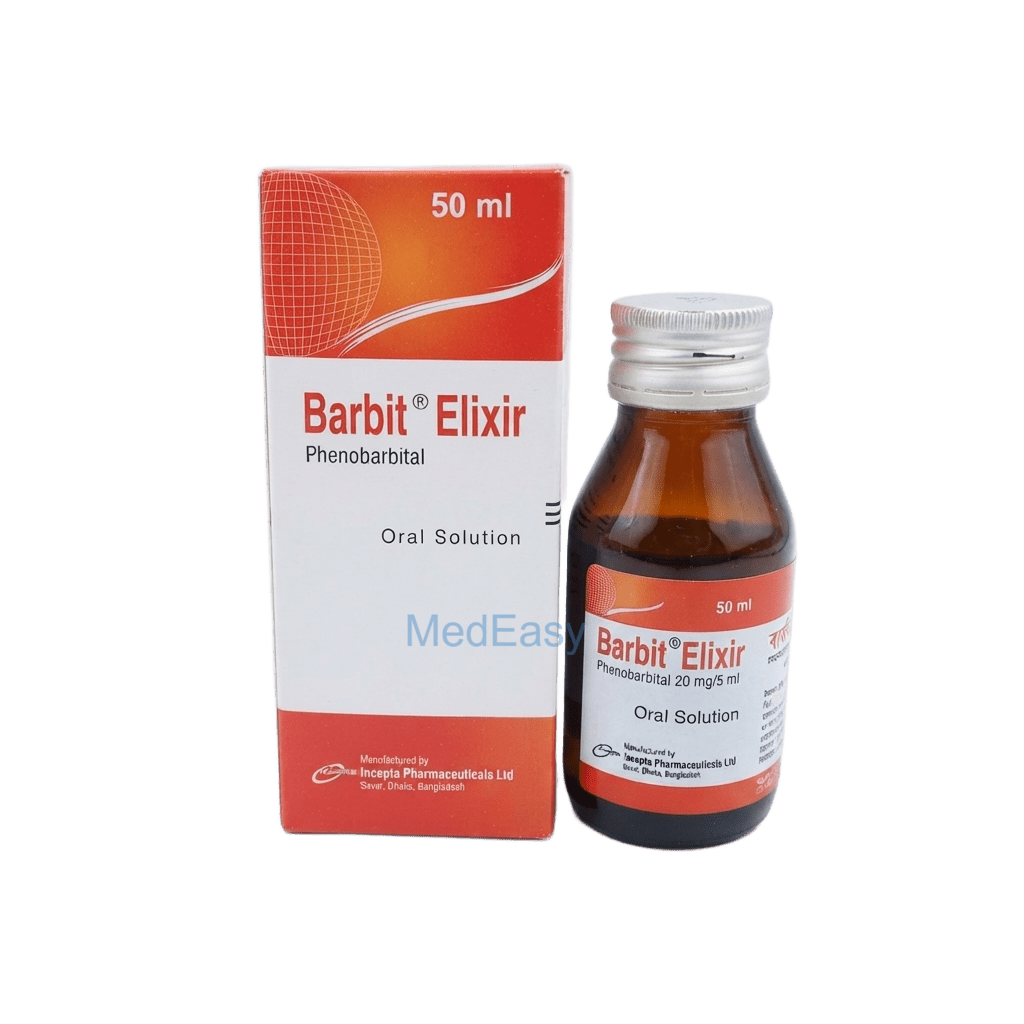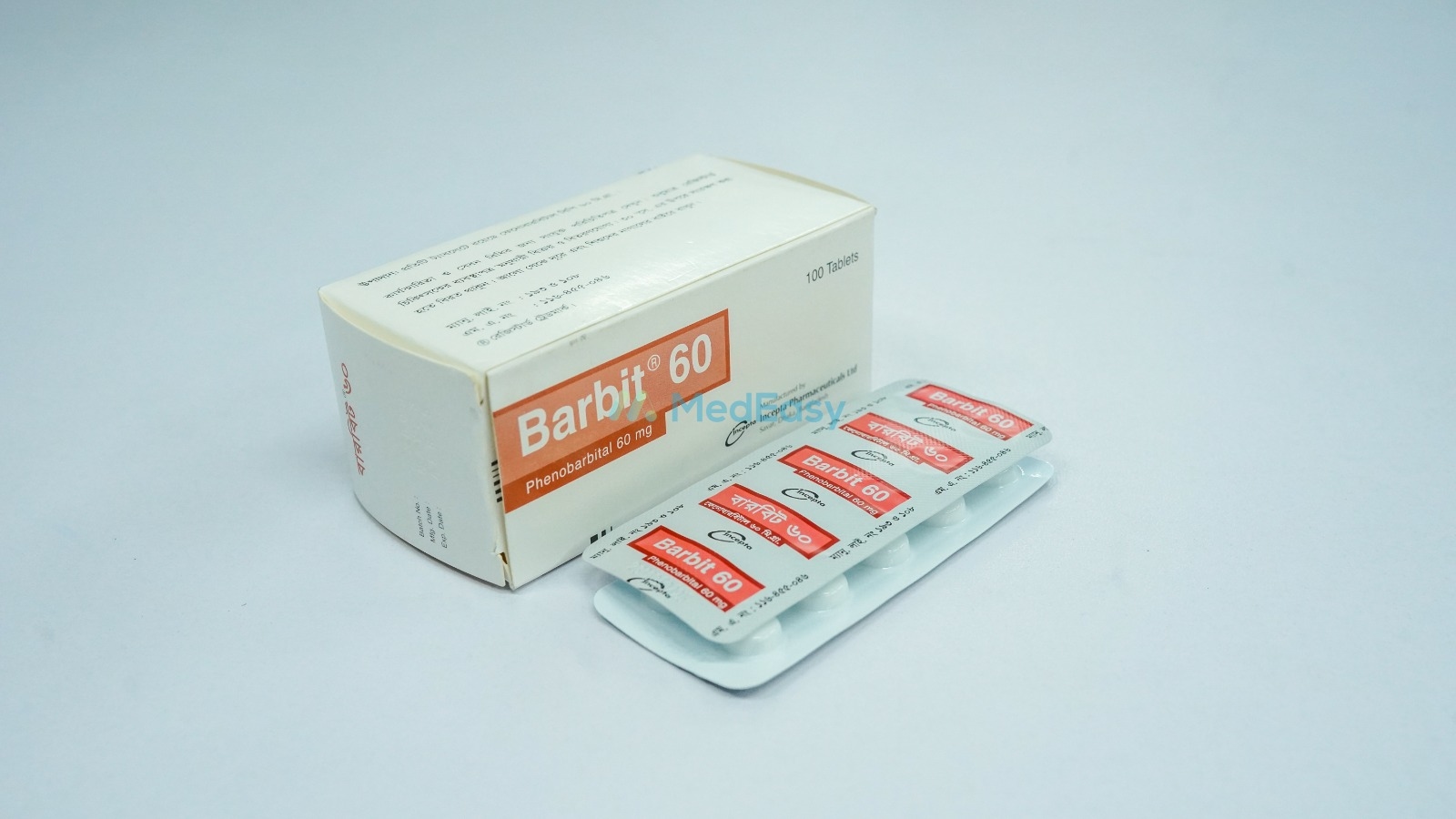
Generic medicine

Phenobarbital: Brands, Price & Uses in Bangladesh

Phenobarbital is a long-acting barbiturate with established anticonvulsant and sedative-hypnotic properties.

Forms:TabletInjectionElixir

About Phenobarbital

Indications of Phenobarbital

Phenobarbital is a long-acting barbiturate with established anticonvulsant and sedative-hypnotic properties. Its uses are classified below by strength of evidence.

Established / Approved Uses

  • Seizure disorders: Long-term management of generalized tonic-clonic (grand mal) and partial (focal) seizures, either alone or in combination with other antiepileptic drugs. It is not effective for absence (petit mal) seizures.
  • Status epilepticus: Emergency control of acute convulsive episodes (injectable form), typically after first-line benzodiazepine therapy.
  • Neonatal seizures: A first-line agent for neonatal seizure control, particularly in resource-limited settings, due to established efficacy and extensive clinical experience in this age group.
  • Sedation: Short-term daytime sedation and pre-operative/pre-anesthetic sedation.
  • Short-term treatment of insomnia: Limited to short-term use given its habit-forming potential; generally superseded by safer sedative-hypnotics.

Adjunct / Combination Use

  • Used as an adjunct with other antiepileptic drugs when seizures are not adequately controlled on a single agent.
  • Historically combined with belladonna alkaloids for functional gastrointestinal disorders; this combination use is now largely outdated.

Off-Label Use

  • Management of alcohol or sedative-hypnotic withdrawal syndromes (used off-label in some settings under close medical supervision).
  • Adjunct in the management of neonatal hyperbilirubinemia (enzyme induction), used selectively under specialist guidance.

Dosage & Administration of Phenobarbital

Adult Dosing

IndicationTypical Adult Dose
Seizure disorders (oral)50-100 mg two to three times daily, or 1-3 mg/kg/day as a single or divided dose; individualized to clinical response and, where available, serum levels (therapeutic range approximately 15-40 mcg/mL)
Sedation30-120 mg daily in divided doses
Short-term insomnia100-320 mg at bedtime, for short-term use only
Status epilepticus (IV, hospital setting)Loading dose typically 15-20 mg/kg IV, administered slowly under continuous monitoring, followed by maintenance dosing

Pediatric Dosing

IndicationTypical Pediatric Dose
Seizure disorders (oral maintenance)3-6 mg/kg/day (higher relative doses may be needed in infants and young children due to faster clearance)
Neonatal seizuresLoading dose approximately 15-20 mg/kg IV under specialist/hospital supervision, followed by maintenance of 3-4 mg/kg/day

Administration

  • Oral doses may be taken with or without food; taking with food may reduce stomach upset.
  • Injectable Phenobarbital must be administered by trained healthcare personnel, with careful attention to injection rate due to respiratory depression risk.
  • Phenobarbital should never be stopped abruptly after regular use; discontinuation requires a gradual, physician-supervised taper to avoid withdrawal seizures.
  • Renal impairment: dose reduction and closer monitoring recommended, as elimination may be prolonged.
  • Hepatic impairment: use with caution and reduced dosing, as metabolism is hepatic; monitor closely in significant hepatic dysfunction.

Side Effects of Phenobarbital

Side effects of Phenobarbital are generally dose-related.

Common

  • Drowsiness, sedation, and somnolence
  • Dizziness, lightheadedness
  • Headache
  • Nausea, vomiting
  • Cognitive slowing, impaired concentration and memory (especially in children and the elderly)
  • Irritability or paradoxical hyperactivity (particularly in children)

Serious (require prompt medical attention)

  • Respiratory depression, especially with overdose or combined use with other CNS depressants (see Interactions)
  • Severe allergic/hypersensitivity reactions, including angioedema and serious skin reactions such as Stevens-Johnson syndrome or toxic epidermal necrolysis
  • Megaloblastic anemia (with long-term use, related to folate deficiency)
  • Osteomalacia/osteoporosis with long-term use (related to altered vitamin D metabolism)
  • Physical dependence and withdrawal symptoms on abrupt discontinuation (see Precautions)
  • Laryngospasm or hypotension (with rapid intravenous administration)

Contraindications of Phenobarbital

Phenobarbital is contraindicated in:

  • Known hypersensitivity to Phenobarbital, other barbiturates, or any component of the formulation.
  • Manifest or latent porphyria (Phenobarbital can precipitate a life-threatening acute porphyric attack).
  • Severe respiratory disease with dyspnea or airway obstruction.
  • Marked hepatic impairment (severe liver disease with evidence of hepatic failure).
  • Prior physical or psychological dependence on barbiturates (relative to initiating new therapy without careful risk-benefit assessment).

Frequently Asked Questions about Phenobarbital

What is Phenobarbital used for?

Phenobarbital is mainly used to control and prevent seizures (epilepsy), including in newborns, and is also used for short-term sedation. It works by calming overactive electrical activity in the brain.

Can I stop taking Phenobarbital suddenly if I feel better?

No. You must never stop Phenobarbital abruptly after taking it regularly, as this can cause a dangerous withdrawal reaction, including withdrawal seizures, tremors, and confusion. Always ask your physician to guide a gradual dose reduction if you need to stop.

Is Phenobarbital safe to take with other sedatives, opioids, or alcohol?

No. Combining Phenobarbital with alcohol, opioids, benzodiazepines, or other sedating medicines can cause severe drowsiness, dangerously slowed or stopped breathing, coma, and even death. Avoid alcohol and inform your doctor about all other medicines you take.

Can I take Phenobarbital during pregnancy?

Phenobarbital should be used in pregnancy only if clearly needed, because it carries some risk to the developing baby, including a risk of birth defects and withdrawal symptoms or bleeding problems in the newborn if used close to delivery. However, uncontrolled seizures in the mother are also dangerous, so any changes to your Phenobarbital treatment during pregnancy should only be made in consultation with your physician.

Does Phenobarbital affect birth control pills or other medicines?

Yes. Phenobarbital can make hormonal birth control pills less effective and can reduce the effectiveness of many other drugs, including blood thinners like warfarin and some other seizure medicines. Discuss all your medications with your doctor, and consider additional non-hormonal contraception while taking Phenobarbital.

What should I do if I or someone else takes too much Phenobarbital?

An overdose of Phenobarbital is a medical emergency that can cause severe drowsiness, slowed breathing, and even death. Seek immediate emergency medical attention or contact a poison control center right away; do not try to treat it at home.

Disclaimer

The information provided is accurate to the best of our knowledge, but it does not replace professional medical advice. We cannot guarantee its completeness or accuracy, and the absence of specific information about a drug should not be taken as an endorsement. We are not responsible for any consequences arising from this information, so please consult a healthcare professional for any concerns or questions.


DoctorBlogArticles