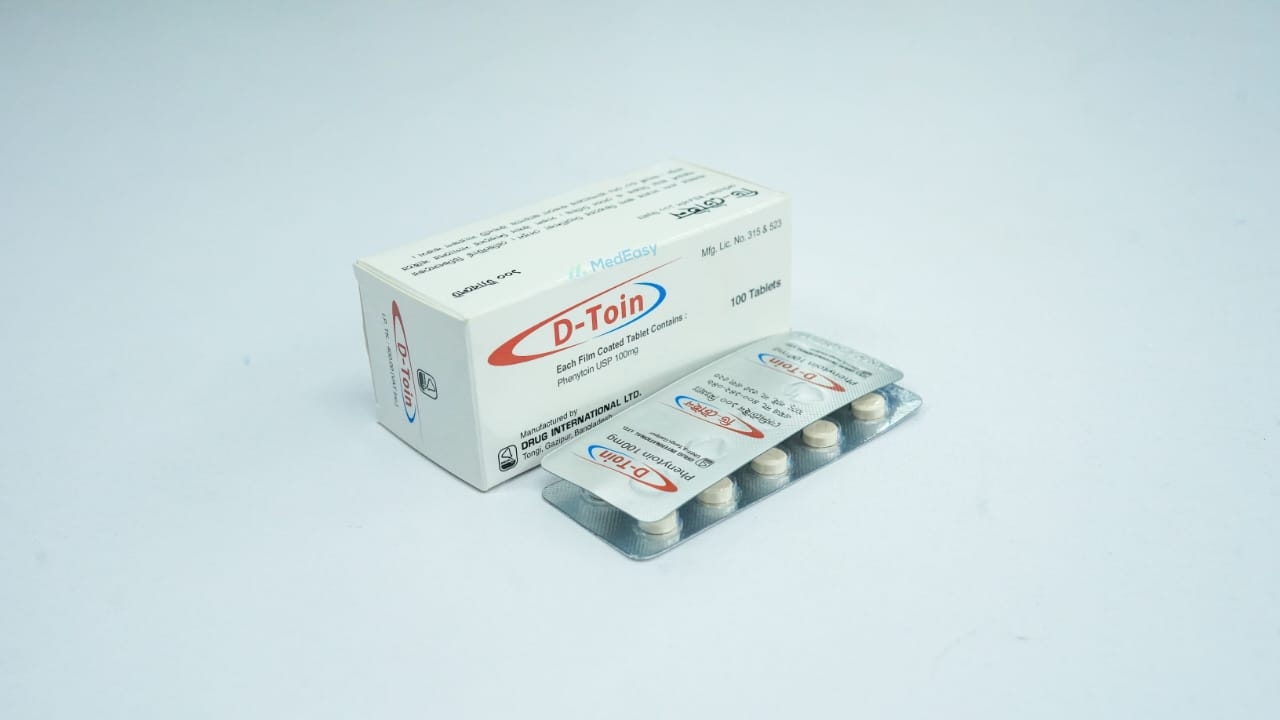
Generic medicine

Phenytoin Sodium: Brands, Price & Uses in Bangladesh

Phenytoin Sodium is a hydantoin-derivative anticonvulsant indicated for: Established/FDA-approved uses: Control of generalized tonic-clonic (grand mal) seizures Control of complex partial…

Forms:TabletInjection

About Phenytoin Sodium

Indications of Phenytoin Sodium

Phenytoin Sodium is a hydantoin-derivative anticonvulsant indicated for:

  • Established/FDA-approved uses:
    • Control of generalized tonic-clonic (grand mal) seizures
    • Control of complex partial (psychomotor, temporal lobe) seizures
    • Prevention and treatment of seizures occurring during or following neurosurgery
    • Treatment of status epilepticus of the generalized tonic-clonic type (intravenous formulation)
  • Not effective / not indicated for: absence (petit mal) seizures, which may worsen with Phenytoin Sodium monotherapy.

Phenytoin Sodium is used as monotherapy or as adjunctive therapy alongside other antiepileptic drugs when a single agent does not achieve adequate seizure control.

Dosage & Administration of Phenytoin Sodium

Dosing of Phenytoin Sodium must be individualized based on response and, where possible, serum phenytoin levels (target range approximately 10–20 mcg/mL total phenytoin).

IndicationPopulationTypical Dose
Generalized tonic-clonic / complex partial seizuresAdultsInitial 100 mg orally 2–3 times daily; usual maintenance 300–400 mg/day in divided doses; adjusted gradually based on response and levels
Generalized tonic-clonic / complex partial seizuresChildrenInitial approximately 5 mg/kg/day in 2–3 divided doses; usual maintenance 4–8 mg/kg/day; generally not exceeding 300 mg/day unless levels indicate otherwise
Status epilepticusAdults and children (IV form only)Loading dose of 15–20 mg/kg intravenously, given slowly at a controlled rate (not exceeding 50 mg/minute in adults, slower in elderly/cardiac patients), followed by maintenance oral or IV dosing
Neurosurgical seizure prophylaxisAdultsAs directed by the treating physician, typically similar to maintenance seizure-control dosing

Because of its narrow therapeutic index, dose changes with Phenytoin Sodium should be made in small increments with physician supervision, and switching between different oral formulations/brands of Phenytoin Sodium should be avoided unless directed by a physician, as bioavailability may differ.

Side Effects of Phenytoin Sodium

Side effects of Phenytoin Sodium are often dose- and concentration-related.

Common

  • Nystagmus, ataxia, slurred speech, unsteady gait, tremor
  • Drowsiness, dizziness, mental confusion (usually with higher levels)
  • Nausea, vomiting, constipation
  • Gingival (gum) hyperplasia and hirsutism with long-term use
  • Acne and coarsening of facial features with long-term use

Less common but serious

  • Severe skin reactions, including Stevens-Johnson syndrome and toxic epidermal necrolysis (risk increased in certain HLA genotypes, notably in some Asian populations)
  • Drug reaction with eosinophilia and systemic symptoms (DRESS)/hypersensitivity syndrome
  • Blood cell count abnormalities (rare)
  • Liver injury (rare)
  • Peripheral neuropathy and decreased bone density with long-term use
  • "Purple glove syndrome" (limb swelling, discoloration, pain) with IV administration
  • Cardiovascular effects (hypotension, arrhythmia) with rapid IV administration

Seek prompt medical attention for any rash, fever, swollen glands, unusual bruising/bleeding, jaundice, or severe dizziness while taking Phenytoin Sodium.

Contraindications of Phenytoin Sodium

Phenytoin Sodium is contraindicated in patients with:

  • Known hypersensitivity to phenytoin, other hydantoins, or any component of the formulation
  • Concurrent use of delavirdine (risk of loss of virologic suppression)
  • Sinus bradycardia, sino-atrial block, second- or third-degree atrioventricular (AV) block, or Adams-Stokes syndrome (for the intravenous formulation, due to cardiac depressant effects)

Frequently Asked Questions about Phenytoin Sodium

What is Phenytoin Sodium used for?

Phenytoin Sodium is an anticonvulsant used to control generalized tonic-clonic and complex partial seizures, to prevent seizures after neurosurgery, and to treat status epilepticus (as an intravenous formulation).

How should I take Phenytoin Sodium?

Take Phenytoin Sodium exactly as prescribed by your physician, at the same time(s) each day. Oral suspension should be shaken well, and chewable tablets should be chewed rather than swallowed whole. Do not change your dose or brand of Phenytoin Sodium without consulting your physician, as this can affect blood levels.

What should I avoid while taking Phenytoin Sodium?

Avoid stopping Phenytoin Sodium suddenly, as this can trigger seizures, including status epilepticus. Avoid taking Phenytoin Sodium with delavirdine. Inform your doctor about all other medicines you take, as Phenytoin Sodium interacts with many drugs, including warfarin and oral contraceptives.

Is Phenytoin Sodium safe during pregnancy?

Phenytoin Sodium should be used in pregnancy only if clearly needed, as it has been associated with fetal hydantoin syndrome; the potential benefit of seizure control must be weighed against potential fetal risk, and a physician should be consulted before starting, stopping, or continuing Phenytoin Sodium during pregnancy. Folic acid supplementation is often recommended.

What are the common side effects of Phenytoin Sodium?

Common side effects of Phenytoin Sodium include unsteady gait, nystagmus (eye movements), slurred speech, drowsiness, nausea, gum swelling (gingival hyperplasia), and excess hair growth with long-term use. Severe skin reactions are rare but require immediate medical attention.

What should I do if I miss a dose or take too much Phenytoin Sodium?

If you miss a dose of Phenytoin Sodium, take it as soon as you remember unless it is close to the next dose; do not double the dose. If an overdose of Phenytoin Sodium is suspected, seek immediate medical attention or contact a poison control center, as overdose can cause serious neurological and cardiovascular effects.

Disclaimer

The information provided is accurate to the best of our knowledge, but it does not replace professional medical advice. We cannot guarantee its completeness or accuracy, and the absence of specific information about a drug should not be taken as an endorsement. We are not responsible for any consequences arising from this information, so please consult a healthcare professional for any concerns or questions.

DoctorBlogArticles