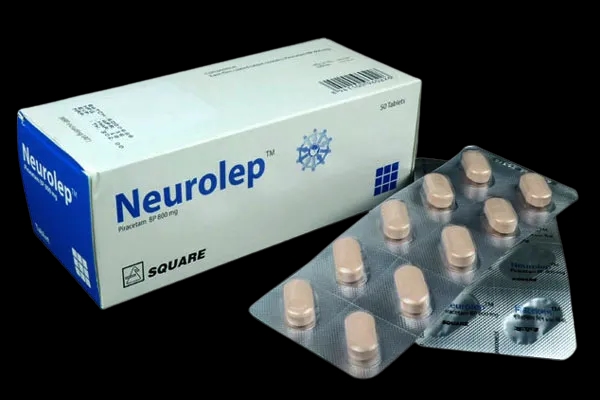
Generic medicine

Piracetam: Brands, Price & Uses in Bangladesh

Piracetam is a cyclic GABA-derivative (pyrrolidone derivative) nootropic agent used for the following indications and more.

Forms:TabletSyrup

About Piracetam

Indications of Piracetam

Piracetam is a cyclic GABA-derivative (pyrrolidone derivative) nootropic agent used for the following indications, classified by strength of evidence:

Established / Guideline-Supported Use

  • Cortical myoclonus: Piracetam is well established as an adjunct treatment (used together with other antimyoclonic therapy) for cortical myoclonus of various origins in adults and children. This is the most robustly evidence-supported indication for Piracetam and is an approved indication in several countries.

Adjunct / Regionally-Approved Uses (Weaker Evidence)

  • Vertigo and dizziness of vascular, traumatic, or other origin, as symptomatic adjunct therapy.
  • Adjunct treatment of dyslexia in children (in combination with speech/language therapy), approved in some regional markets, though evidence is limited and inconsistent.
  • Cognitive symptoms associated with cerebrovascular disease, aging, or brain injury, used as adjunct/symptomatic therapy in some markets; evidence for meaningful clinical benefit is limited.

Off-Label / Investigational Uses

  • Adjunct management of acute vaso-occlusive sickle cell crisis (based on Piracetam's effect on red-cell deformability) — used off-label in some settings; not a standard of care.

Piracetam is not approved by the US FDA for any indication; it is marketed as a prescription medicine in Bangladesh, Europe, and various Asian markets for the indications above.

Dosage & Administration of Piracetam

IndicationAdult DosePediatric Dose
Cortical myoclonus (adjunct)Initial 7.2 g/day orally in 2-3 divided doses, increased by 4.8 g/day every 3-4 days up to a usual maintenance range of 16.8-24 g/day, given together with other antimyoclonic therapyWeight-based dosing under specialist supervision; not established for general use outside myoclonus management
Vertigo/dizziness (adjunct)Typically 2.4-4.8 g/day orally in divided doses; reassess benefit after 8 weeksNot established
Adjunct in dyslexia (regional use)Not applicable (adult use)Typically 3.2 g/day in divided doses in children 8 years and above, combined with educational/speech therapy, in markets where approved; specialist guidance required

Piracetam injection (IV/IM) may be used when oral therapy is not feasible, at doses equivalent to the oral regimen, under medical supervision.

Dosing of Piracetam must be reduced in patients with renal impairment (see Use in Special Populations); doses should always be individualized and directed by the prescribing physician.

Side Effects of Piracetam

The most commonly reported adverse effects of Piracetam include:

  • Nervousness and agitation
  • Insomnia
  • Weight gain
  • Gastrointestinal upset (abdominal pain, diarrhea, nausea)

Less common effects include drowsiness, dizziness, headache, and in patients treated for myoclonus, dose-related hyperkinesia or ataxia. Rare effects include skin rash or hypersensitivity reactions. Contact your physician if any side effect is severe or persistent.

Contraindications of Piracetam

Piracetam is contraindicated in:

  • Known hypersensitivity to Piracetam or to other pyrrolidone derivatives, or to any excipient of the product.
  • Severe renal impairment (creatinine clearance below approximately 20 mL/min), including end-stage renal disease.
  • Active cerebral hemorrhage.

Frequently Asked Questions about Piracetam

What is Piracetam used for?

Piracetam is mainly used as an adjunct treatment for cortical myoclonus, and in some countries as an adjunct for vertigo/dizziness or, in children, as an adjunct in dyslexia therapy, alongside other appropriate treatment.

Is Piracetam a stimulant or sedative?

No. Piracetam is described as having no significant sedative or stimulant effect of its own; it is classified as a nootropic (cognition-related) agent with a different mechanism of action.

Can I stop taking Piracetam suddenly?

No, if you are being treated for myoclonus, Piracetam should be stopped gradually under medical supervision, as sudden discontinuation can cause rebound myoclonus/seizures. Always consult your physician before stopping.

Is Piracetam safe during pregnancy?

Piracetam crosses the placenta and safety data in human pregnancy are limited. Piracetam should be used in pregnancy only if clearly needed and if benefits outweigh potential risks to the fetus; always consult your physician.

Does Piracetam need dose adjustment for kidney problems?

Yes. Piracetam is eliminated almost entirely by the kidneys, so the dose must be reduced in patients with renal impairment, and Piracetam is contraindicated in severe renal impairment (creatinine clearance below about 20 mL/min).

What should I do if I miss a dose or take too much Piracetam?

If you miss a dose, take it as soon as you remember unless it is close to the next dose. If you suspect an overdose of Piracetam, seek immediate medical attention or contact a poison control center right away.

Disclaimer

The information provided is accurate to the best of our knowledge, but it does not replace professional medical advice. We cannot guarantee its completeness or accuracy, and the absence of specific information about a drug should not be taken as an endorsement. We are not responsible for any consequences arising from this information, so please consult a healthcare professional for any concerns or questions.

DoctorBlogArticles
