Generic medicine

Pirfenidone: Brands, Price & Uses in Bangladesh

Pirfenidone is an antifibrotic medicine that is FDA-approved and internationally guideline-supported for the treatment of: Idiopathic Pulmonary Fibrosis (IPF) — a chronic, progressive and more.

Forms:TabletCapsule

About Pirfenidone

Indications of Pirfenidone

Pirfenidone is an antifibrotic medicine that is FDA-approved and internationally guideline-supported for the treatment of:

  • Idiopathic Pulmonary Fibrosis (IPF) — a chronic, progressive, fibrosing interstitial lung disease of unknown cause. Pirfenidone is indicated in adults to slow the decline in lung function (forced vital capacity) and disease progression. This is the established, primary approved indication.

Off-label / adjunct use (limited evidence): In some specialist pulmonology settings, Pirfenidone is used off-label in other progressive fibrosing interstitial lung diseases (PF-ILD) with an IPF-like pattern, based on specialist judgement and limited trial data. This use should only be undertaken under the direct supervision of a pulmonologist experienced in interstitial lung disease, and is not a substitute for the established IPF indication.

Pirfenidone does not cure pulmonary fibrosis and does not reverse existing lung scarring; it is used to slow further progression.

Dosage & Administration of Pirfenidone

Titration Schedule (Adults with IPF)

Pirfenidone must be started with a gradual dose titration over 14 days to improve gastrointestinal and photosensitivity tolerability. If treatment is interrupted for 14 consecutive days or longer, re-initiate with the same 14-day titration.

Titration PeriodDose
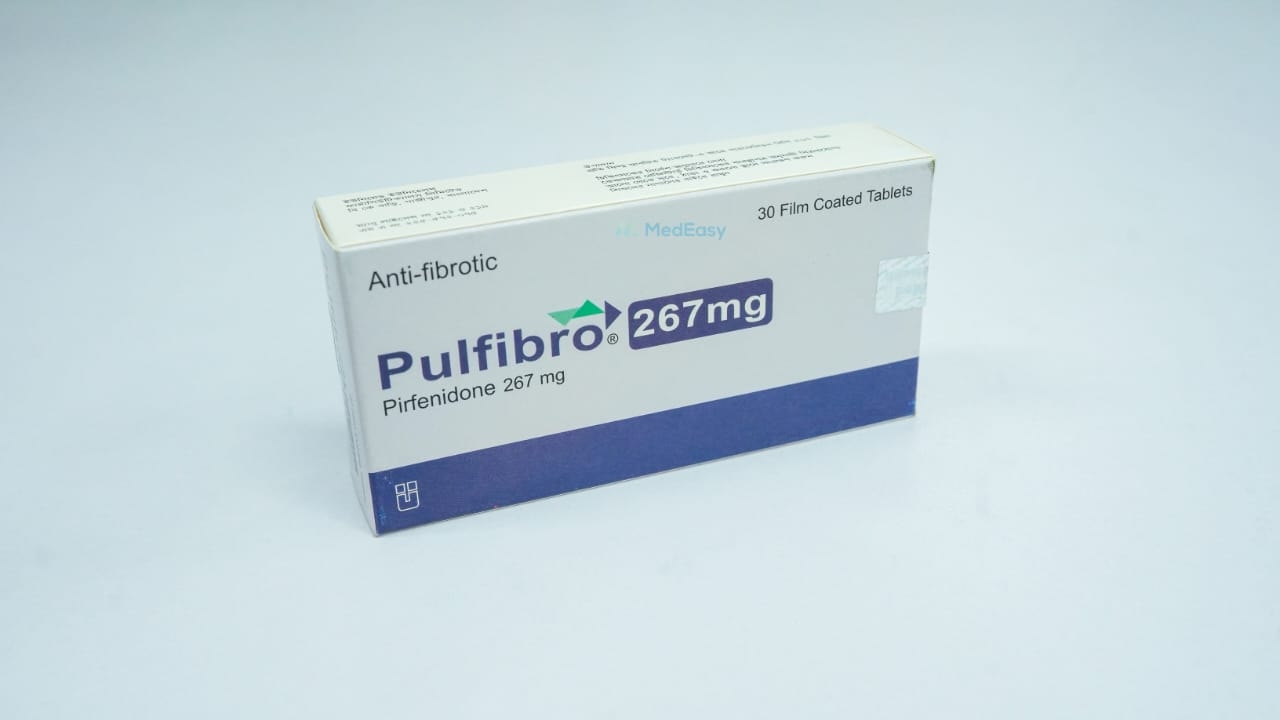
Days 1–7267 mg, three times daily with food (801 mg/day)
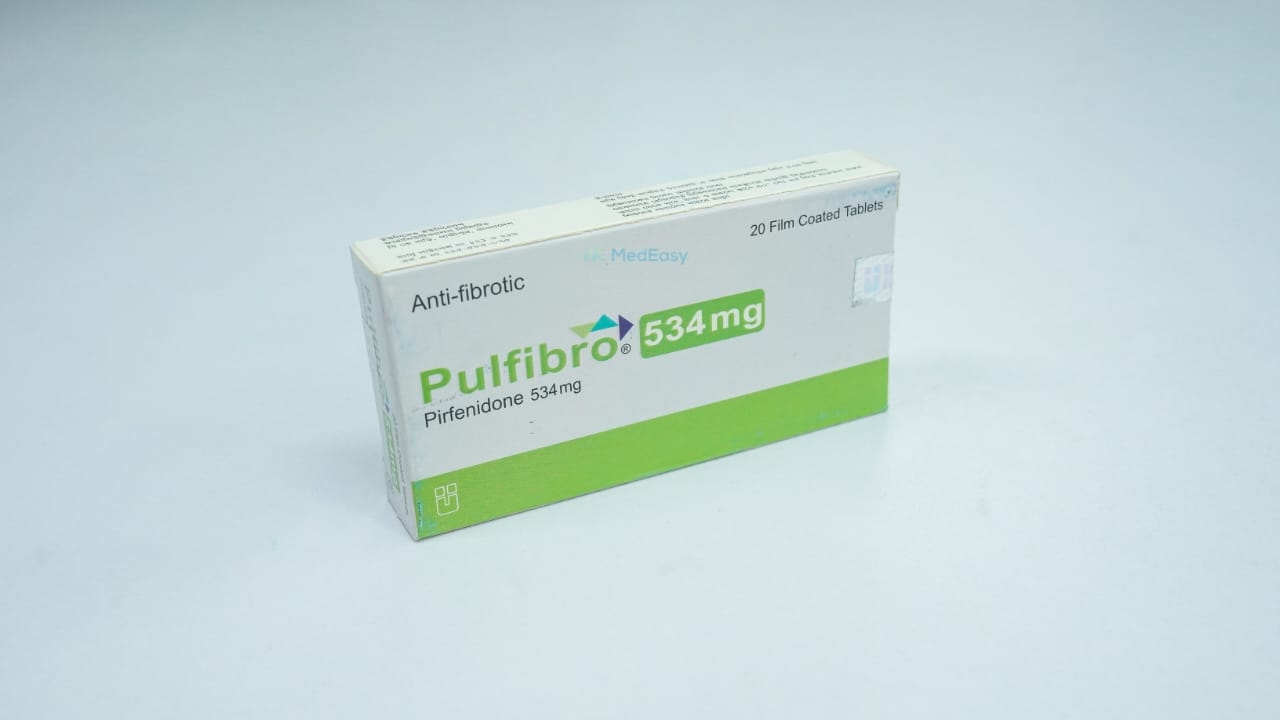
Days 8–14534 mg, three times daily with food (1,602 mg/day)
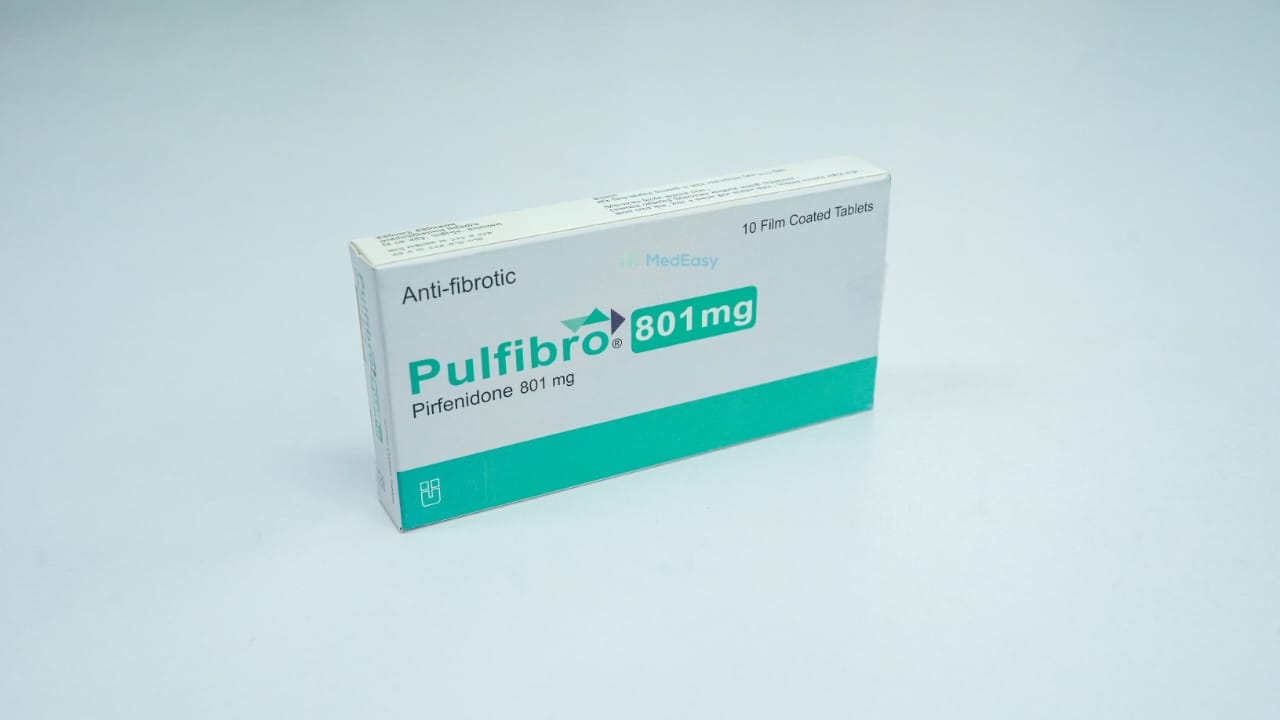
Day 15 onward (maintenance)801 mg, three times daily with food (2,403 mg/day)

Dose Adjustment for Adverse Reactions

  • GI reactions or photosensitivity/rash: temporary dose reduction or brief interruption, then re-titration to the maintenance dose once symptoms resolve, as advised by the physician.
  • Liver enzyme elevations: dose reduction, interruption, or discontinuation as per monitoring results and physician judgement (see Precautions).

Missed Dose

If a dose is missed, patients should not double the next dose; the next scheduled dose should be taken as usual with food.

Side Effects of Pirfenidone

Side effects reported with Pirfenidone range from common and manageable to rare and serious.

FrequencySide Effects
Very common (>10%)Nausea, diarrhea, fatigue, dyspepsia, headache, dizziness, decreased appetite, photosensitivity reaction/rash, upper respiratory tract infection
Common (1–10%)Vomiting, gastroesophageal reflux, weight loss, insomnia, arthralgia, sinusitis, abdominal pain, elevated liver enzymes (ALT/AST)
Uncommon/Rare but seriousSignificant hepatotoxicity/liver injury, severe photosensitivity/rash, angioedema (swelling of face, lips, tongue, throat), severe allergic reaction

Patients should seek prompt medical attention for signs of liver problems (yellowing of skin/eyes, dark urine, severe fatigue), severe skin reactions, or symptoms of angioedema/anaphylaxis while taking Pirfenidone.

Contraindications of Pirfenidone

Pirfenidone is contraindicated in patients with:

  • Known hypersensitivity to Pirfenidone or any component of the formulation.
  • Concurrent use of fluvoxamine (a strong CYP1A2 inhibitor), due to a markedly increased risk of Pirfenidone-related toxicity from significantly elevated drug exposure.
  • Severe hepatic impairment (Child-Pugh Class C or equivalent).
  • End-stage renal disease requiring dialysis.

Frequently Asked Questions about Pirfenidone

What is Pirfenidone used for?

Pirfenidone is used to treat idiopathic pulmonary fibrosis (IPF), a chronic lung disease that causes progressive scarring of the lungs. It helps slow the decline in lung function and disease progression; it does not cure the disease or reverse existing lung scarring.

How should I take Pirfenidone?

Pirfenidone should be taken by mouth with food, three times a day, following a mandatory 14-day dose titration schedule that gradually increases from 267 mg three times daily to the full maintenance dose of 801 mg three times daily. Never change the dose or stop treatment without consulting your physician.

What are the most important side effects of Pirfenidone I should watch for?

The most important effects to watch for are liver problems (yellowing of the skin or eyes, dark urine, severe tiredness, abdominal pain — requires regular liver blood tests), photosensitivity/skin rash from sun exposure (use sunscreen and protective clothing), and gastrointestinal upset such as nausea and diarrhea, which often improves by taking the medicine with food.

Can I take Pirfenidone with other medicines?

Pirfenidone interacts significantly with certain drugs. It must not be taken with fluvoxamine, as this combination is contraindicated due to a large increase in Pirfenidone blood levels. Ciprofloxacin and some other medicines can also raise Pirfenidone levels and may require a dose adjustment. Always tell your doctor and pharmacist about every medicine, supplement, and herbal product you take before starting Pirfenidone.

Is Pirfenidone safe during pregnancy or breastfeeding?

Safety of Pirfenidone in pregnancy has not been well established in humans, so it should be used during pregnancy only if clearly needed and the potential benefit justifies the potential risk to the baby, and only under close physician supervision. It is not known if Pirfenidone passes into breast milk, so a decision about breastfeeding versus continuing Pirfenidone should be made together with your physician.

Does smoking affect how Pirfenidone works?

Yes. Smoking can significantly lower Pirfenidone blood levels and reduce its effectiveness. If you smoke, tell your doctor, as your dose may need to be adjusted, and smoking cessation is generally advised while on Pirfenidone therapy.

Disclaimer

The information provided is accurate to the best of our knowledge, but it does not replace professional medical advice. We cannot guarantee its completeness or accuracy, and the absence of specific information about a drug should not be taken as an endorsement. We are not responsible for any consequences arising from this information, so please consult a healthcare professional for any concerns or questions.
DoctorBlogArticles
