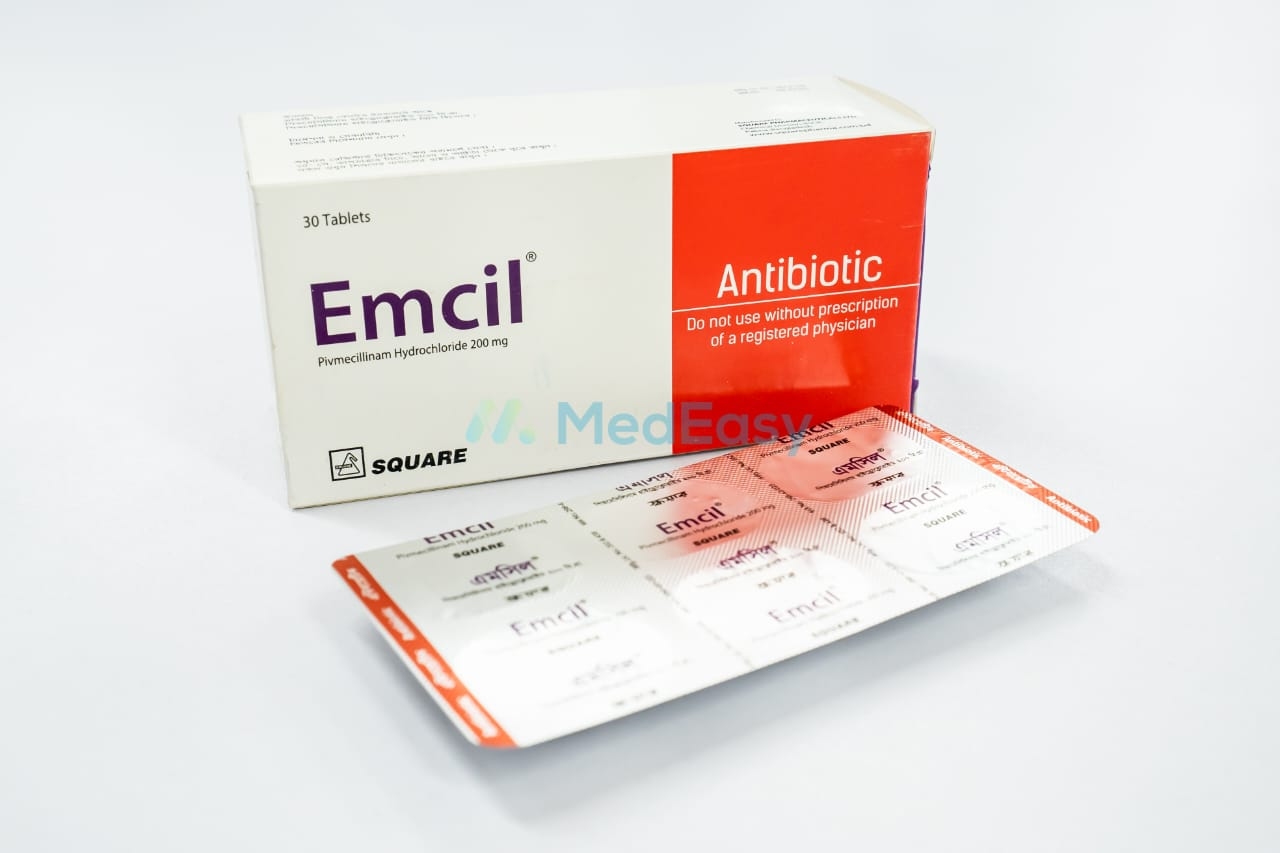
Generic medicine

Pivmecillinam: Brands, Price & Uses in Bangladesh

Pivmecillinam is a beta-lactam antibiotic (amidinopenicillin class) indicated for the treatment of specific bacterial infections.

Forms:Tablet

About Pivmecillinam

Indications of Pivmecillinam

Pivmecillinam is a beta-lactam antibiotic (amidinopenicillin class) indicated for the treatment of specific bacterial infections. Its indications, classified by strength of evidence, are as follows:

Established / Approved Use

  • Uncomplicated lower urinary tract infection (acute cystitis): Pivmecillinam is indicated for the treatment of uncomplicated urinary tract infections (acute cystitis) in adult women caused by susceptible strains of Escherichia coli, Proteus mirabilis, and Staphylococcus saprophyticus. It is not indicated for pyelonephritis or complicated UTI.

Guideline-Supported Use

  • Several international UTI treatment guidelines list Pivmecillinam as a first-line or alternative first-line option for uncomplicated cystitis in non-pregnant and, in some national guidelines, pregnant women, owing to its narrow-spectrum activity against common uropathogens and its distinguishing mechanism of action (preferential binding to penicillin-binding protein 2, PBP2) compared with typical penicillins.

Not Established

  • Safety and efficacy have not been established for pyelonephritis, complicated UTI, use in men, or use in patients under 18 years of age; Pivmecillinam should not be used for these indications outside specific physician direction.

Pivmecillinam should only be used for infections proven or strongly suspected to be caused by susceptible bacteria, as prescribed by a physician.

Dosage & Administration of Pivmecillinam

Adult Dosage (Uncomplicated Cystitis)

IndicationDoseDuration
Acute uncomplicated cystitis in adult women185 mg (one tablet) orally three times a day3 to 7 days, as clinically indicated

Pivmecillinam tablets may be taken with or without food. Tablets should be swallowed whole with a full glass of water.

Pediatric Dosage

Safety and efficacy of Pivmecillinam have not been established in patients under 18 years of age; a pediatric dosing regimen is not established for this formulation in this market. See Use in Special Populations.

Renal Impairment

Pivmecillinam (as mecillinam) is eliminated mainly by the kidneys. No formal dose-adjustment schedule has been established; use with caution in patients with significant renal impairment, and consider an extended dosing interval in patients with severe renal impairment (creatinine clearance below 30 mL/min), at the physician's discretion.

Hepatic Impairment

Use with caution in patients with severe hepatic impairment (see Contraindications and Precautions regarding carnitine-related hepatic effects); no specific dose adjustment has been established.

Antibiotic Stewardship

Take Pivmecillinam exactly as prescribed by your physician; do not stop, extend, skip doses, or share this medicine with others without medical advice. Completing the full prescribed course, even if symptoms improve early, helps prevent recurrence and the development of antibiotic-resistant bacteria.

Side Effects of Pivmecillinam

Most patients tolerate Pivmecillinam well. Reported adverse effects include:

Common

  • Nausea
  • Diarrhea
  • Headache
  • Vulvovaginal candidiasis (vaginal yeast infection)

Less Common / Uncommon

  • Skin rash
  • Hypersensitivity reactions (see Precautions and Warnings)
  • Abdominal discomfort, vomiting

Rare but Clinically Important

  • Carnitine deficiency: With prolonged or frequently repeated courses of Pivmecillinam, depletion of body carnitine stores (from the pivalic acid component) can occur, rarely producing symptoms of muscle weakness or metabolic disturbance. This risk is low with typical short-course (3-7 day) UTI treatment but rises with extended or recurrent use.
  • Severe skin reactions (e.g., Stevens-Johnson syndrome, toxic epidermal necrolysis) — rare, see Precautions and Warnings.
  • Clostridioides difficile-associated diarrhea, ranging from mild to severe colitis.

Contact your physician if you experience severe or persistent side effects while taking Pivmecillinam.

Contraindications of Pivmecillinam

Pivmecillinam is contraindicated in patients with:

  • Known hypersensitivity to Pivmecillinam, mecillinam, or any other penicillin or beta-lactam antibacterial drug (due to cross-reactivity risk).
  • Primary or secondary carnitine deficiency (a well-established, drug-specific absolute contraindication, since the pivalic acid moiety of Pivmecillinam is conjugated with and depletes body carnitine stores).
  • Acute porphyria, based on documented case reports of porphyria exacerbation with this drug.

Frequently Asked Questions about Pivmecillinam

What is Pivmecillinam used for?

Pivmecillinam is an antibiotic used to treat uncomplicated urinary tract infections (acute cystitis) in adult women caused by susceptible bacteria such as E. coli. It should only be used for infections confirmed or strongly suspected to be caused by susceptible bacteria, as prescribed by your physician.

How should I take Pivmecillinam?

Pivmecillinam is usually taken as one 185 mg tablet by mouth three times a day for 3 to 7 days, with or without food, exactly as prescribed by your physician. Complete the full course even if you feel better before finishing it, and do not skip, stop, extend, or share doses with others without medical advice.

Can I take Pivmecillinam if I am pregnant or breastfeeding?

Pivmecillinam should be used during pregnancy only if clearly needed and if your physician determines the potential benefit outweighs the potential risk to the baby. Small amounts pass into breast milk, so breastfeeding mothers should consult their physician before use. Do not start or stop Pivmecillinam during pregnancy or breastfeeding without medical advice.

What are the most common side effects of Pivmecillinam?

The most commonly reported side effects of Pivmecillinam are nausea, diarrhea, headache, and vaginal yeast infection. Most side effects are mild, but you should contact your physician if you experience a severe rash, difficulty breathing, facial swelling, severe diarrhea, or any symptom that concerns you.

Who should not take Pivmecillinam?

Pivmecillinam should not be taken by patients with a known allergy to Pivmecillinam, mecillinam, or other penicillin/beta-lactam antibiotics, patients with primary or secondary carnitine deficiency, or patients with acute porphyria. Tell your physician about all your medical conditions and allergies before starting Pivmecillinam.

What should I do if I miss a dose or take too much Pivmecillinam?

If you miss a dose of Pivmecillinam, take it as soon as you remember unless it is almost time for your next dose; do not double the dose. If you or someone else has taken too much Pivmecillinam, seek immediate medical attention or contact a poison control center or emergency services right away.

Disclaimer

The information provided is accurate to the best of our knowledge, but it does not replace professional medical advice. We cannot guarantee its completeness or accuracy, and the absence of specific information about a drug should not be taken as an endorsement. We are not responsible for any consequences arising from this information, so please consult a healthcare professional for any concerns or questions.

DoctorBlogArticles