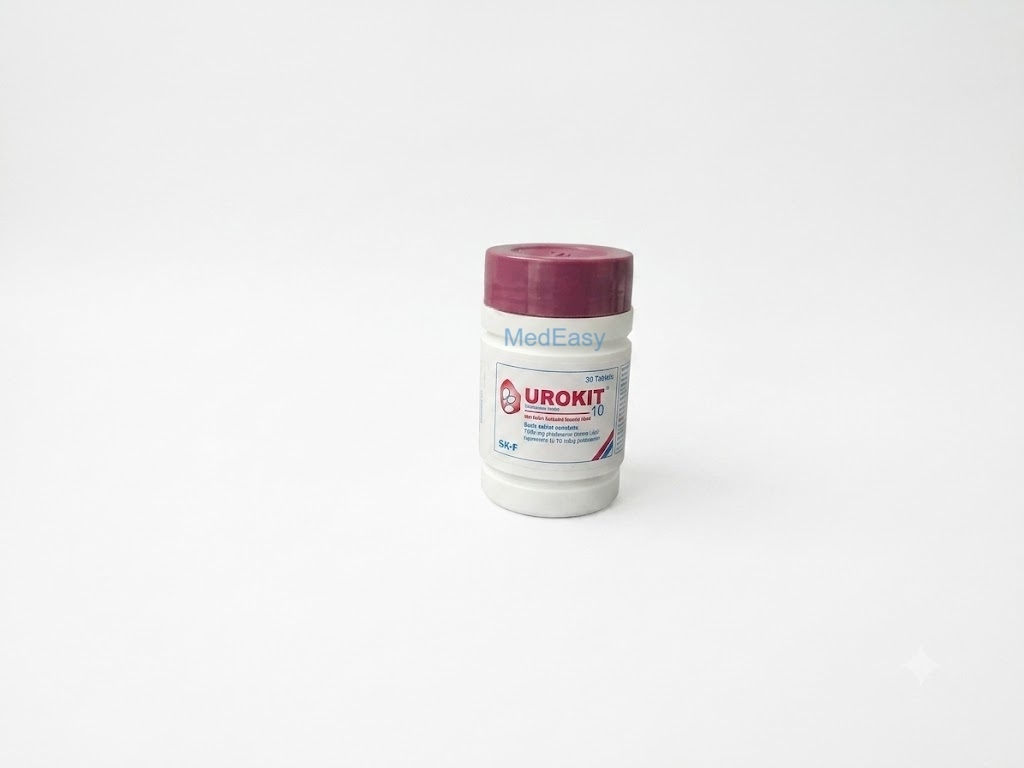
Generic medicine

Potassium Citrate: Brands, Price & Uses in Bangladesh

Established (FDA-approved) Uses Potassium Citrate is an alkalinizing agent indicated for the management of: Renal tubular acidosis (RTA) with calcium stones Hypocitraturic calcium oxalate…

Forms:TabletExtended-Release Tablet (Wax Matrix)

About Potassium Citrate

Indications of Potassium Citrate

Established (FDA-approved) Uses

Potassium Citrate is an alkalinizing agent indicated for the management of:

  • Renal tubular acidosis (RTA) with calcium stones
  • Hypocitraturic calcium oxalate nephrolithiasis of any etiology (kidney stones associated with low urinary citrate)
  • Uric acid lithiasis, with or without calcium stones, by raising urinary pH to reduce uric acid crystallization

Guideline-Supported / Adjunct Use

Potassium Citrate is also used more broadly as a urinary alkalinizing agent to raise urine pH and increase urinary citrate excretion, which helps prevent formation of certain calcium-containing and uric acid stones, often as an adjunct to increased fluid intake and dietary measures.

Potassium Citrate is not intended to dissolve existing large stones and does not replace surgical or urological management when indicated.

Dosage & Administration of Potassium Citrate

Adult Dosing by Indication

Indication / SeverityTypical Starting DoseNotes
Severe hypocitraturia (urinary citrate <150 mg/day) with calcium stones or RTA60 mEq/day, given as 30 mEq twice daily or 20 mEq three times dailyTake with meals or within 30 minutes after meals
Mild-to-moderate hypocitraturia (urinary citrate >150 mg/day)30 mEq/day in divided dosesAdjust based on urinary citrate and pH response
Uric acid lithiasisIndividualized to maintain urinary pH of 6.0-7.0Maximum studied dose is 100 mEq/day

The goal of therapy is to restore urinary citrate excretion to normal (over 320 mg/day, ideally near 640 mg/day) and to raise urinary pH to the 6.0-7.0 range. Dose should be individualized based on periodic monitoring of urinary citrate, pH, and serum potassium.

Administration Instructions

  • Swallow extended-release tablets whole; do not crush, chew, or suck on them.
  • Take with meals or shortly after meals, with a full glass of water or other liquid, to reduce gastrointestinal irritation.
  • Do not lie down for at least 30 minutes after taking a dose.

Side Effects of Potassium Citrate

Common

The most frequently reported adverse effects of Potassium Citrate are gastrointestinal, including nausea, vomiting, abdominal discomfort or pain, diarrhea, and loose stools. These often improve when the drug is taken with food or when the dose is reduced.

Serious (Less Common)

  • Hyperkalemia (can be asymptomatic in early stages; see Precautions and Warnings)
  • Gastrointestinal ulceration, bleeding, obstruction, or perforation with extended-release tablets, particularly if gastrointestinal transit is delayed

Contraindications of Potassium Citrate

Potassium Citrate is contraindicated in patients with:

  • Hyperkalemia, or conditions predisposing to hyperkalemia, including severe renal impairment, untreated Addison's disease, and acute dehydration
  • Severe renal impairment (e.g., glomerular filtration rate below approximately 0.7 mL/kg/min), due to impaired ability to excrete potassium
  • Severe myocardial damage
  • Peptic ulcer disease and other conditions causing delayed gastrointestinal transit, because extended-release Potassium Citrate tablets can cause gastrointestinal ulceration, obstruction, or bleeding

Frequently Asked Questions about Potassium Citrate

What is Potassium Citrate used for?

Potassium Citrate is used to help prevent certain types of kidney stones (including calcium stones linked to low urinary citrate and uric acid stones) and to treat renal tubular acidosis by making the urine and blood less acidic.

How should I take Potassium Citrate?

Take Potassium Citrate extended-release tablets whole with a full glass of water, with meals or shortly after eating, and do not lie down for at least 30 minutes afterward. Do not crush or chew the tablets.

What are the main risks with Potassium Citrate?

The most important risk is hyperkalemia (too much potassium in the blood), which can be serious and sometimes has no early warning symptoms. Potassium Citrate can also cause gastrointestinal irritation and, rarely, ulceration of the bowel, especially with the extended-release tablets.

Can I take Potassium Citrate with other medicines?

Tell your doctor about all medicines you take. Potassium Citrate should generally not be combined with potassium-sparing diuretics, and should be used cautiously with ACE inhibitors, ARBs, NSAIDs, or other potassium supplements because of an increased risk of hyperkalemia.

Is Potassium Citrate safe during pregnancy or breastfeeding?

Potassium Citrate has not been well studied in pregnancy. It should be used in pregnancy or while breastfeeding only if clearly needed and under a physician's guidance, weighing the potential benefit against any potential risk.

Can children take Potassium Citrate?

Safety and effectiveness of Potassium Citrate in children have not been established. It should only be used in pediatric patients under close medical supervision if a physician determines it is necessary.

Disclaimer

The information provided is accurate to the best of our knowledge, but it does not replace professional medical advice. We cannot guarantee its completeness or accuracy, and the absence of specific information about a drug should not be taken as an endorsement. We are not responsible for any consequences arising from this information, so please consult a healthcare professional for any concerns or questions.

DoctorBlogArticles