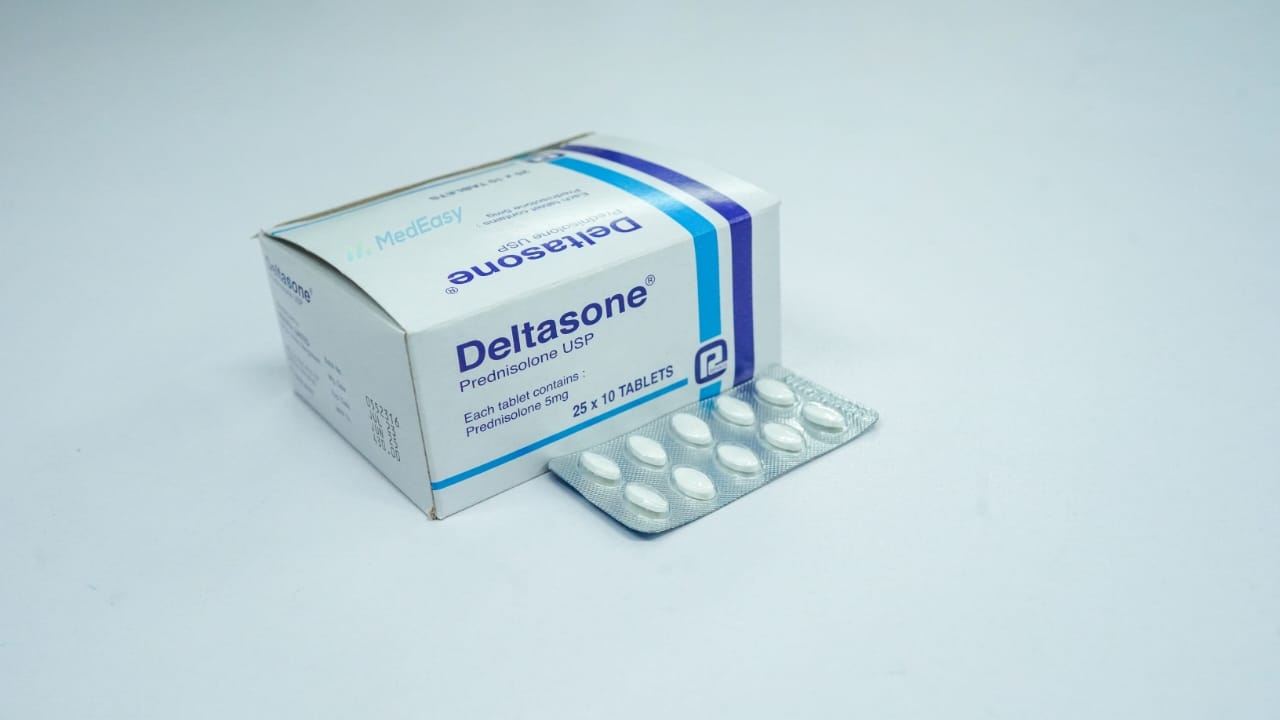
Generic medicine

Prednisolone: Brands, Price & Uses in Bangladesh

Prednisolone is a synthetic corticosteroid (glucocorticoid) used to treat a wide range of inflammatory, allergic, and autoimmune conditions.

Forms:TabletOral SolutionSyrup

About Prednisolone

Indications of Prednisolone

Prednisolone is a synthetic corticosteroid (glucocorticoid) used to treat a wide range of inflammatory, allergic, and autoimmune conditions. Its uses can be classified by strength of evidence as follows:

Established / Guideline-Supported Uses

  • Respiratory conditions: acute exacerbations of bronchial asthma, chronic obstructive pulmonary disease (COPD) exacerbations
  • Allergic states: severe allergic reactions, seasonal or perennial allergic rhinitis (severe), drug hypersensitivity reactions, angioedema
  • Rheumatic disorders: rheumatoid arthritis, juvenile idiopathic arthritis, systemic lupus erythematosus, polymyalgia rheumatica, acute gouty arthritis (as adjunct)
  • Dermatologic diseases: pemphigus, severe erythema multiforme (Stevens-Johnson syndrome), exfoliative dermatitis, severe psoriasis, severe seborrheic dermatitis
  • Endocrine disorders: primary or secondary adrenocortical insufficiency (used with a mineralocorticoid where applicable), congenital adrenal hyperplasia, non-suppurative thyroiditis
  • Gastrointestinal disease: to help patients through a critical period of ulcerative colitis and Crohn's disease
  • Hematologic disorders: acquired (autoimmune) hemolytic anemia, idiopathic thrombocytopenic purpura in adults
  • Renal disease: to induce diuresis or remission of proteinuria in nephrotic syndrome (idiopathic type or due to lupus erythematosus)
  • Ophthalmic disease: severe acute and chronic allergic and inflammatory processes involving the eye
  • Neurologic conditions: acute exacerbations of multiple sclerosis
  • Organ transplantation: as part of immunosuppressive regimens to prevent/treat graft rejection

Adjunct Therapy

Used as adjunct/palliative therapy in certain leukemias and lymphomas, and in combination with other disease-modifying or chemotherapeutic agents in autoimmune and malignant conditions.

Off-Label Use

Prednisolone is also commonly used off-label for conditions such as sarcoidosis-related organ involvement, autoimmune hepatitis, and short-course management of severe croup or acute gout flares, based on clinical judgment and specialist guidance.

Prednisolone is not an antibiotic and has no role in treating infections themselves.

Dosage & Administration of Prednisolone

Dosage of Prednisolone is highly individualized based on the disease being treated, severity, and patient response, rather than fixed by body weight alone (except in specific pediatric indications).

IndicationTypical Adult DoseTypical Pediatric Dose
Acute asthma exacerbation40-60 mg/day (single or divided) for 5-7 days1-2 mg/kg/day (max ~40 mg/day) for 3-5 days
Anti-inflammatory / immunosuppressive (general)5-60 mg/day, adjusted to response0.1-2 mg/kg/day depending on indication
Nephrotic syndromeIndividualized; often higher initial doses with gradual taper under specialist careInitially about 2 mg/kg/day (max 60-80 mg/day), then tapered per protocol
Rheumatoid arthritis / SLE5-20 mg/day maintenance, higher during flaresSpecialist-guided, weight-based
Severe allergic reaction / angioedema20-60 mg/day short course (3-7 days)Specialist-guided, weight-based

Renal/Hepatic Impairment

No fixed dose adjustment is well-established, but Prednisolone should be used cautiously and at the lowest effective dose in significant hepatic impairment (reduced conversion from prednisone favors direct use of Prednisolone) and in renal impairment, with close clinical monitoring.

Tapering

After more than a few weeks of therapy, Prednisolone must not be stopped abruptly; the dose should be gradually tapered under medical supervision to allow recovery of adrenal function (see Precautions and Warnings).

Side Effects of Prednisolone

Side effects of Prednisolone are generally dose- and duration-dependent.

Common

  • Increased appetite, weight gain
  • Insomnia, mood changes, nervousness
  • Indigestion, nausea
  • Fluid retention, facial puffiness ("moon face")
  • Acne, increased sweating

Less Common but Serious (usually with prolonged/high-dose use)

  • Adrenal suppression, Cushingoid features
  • Hyperglycemia / worsening of diabetes
  • Osteoporosis, increased fracture risk, avascular necrosis of bone
  • Peptic ulceration, GI bleeding (especially with NSAIDs)
  • Increased susceptibility to infections; masking of infection signs
  • Cataracts, glaucoma, increased intraocular pressure
  • Muscle weakness/myopathy
  • Psychiatric effects (mood swings, psychosis, severe depression) — rare but reported
  • Growth suppression in children with prolonged use

Contraindications of Prednisolone

Prednisolone is contraindicated in:

  • Known hypersensitivity to Prednisolone or any component of the formulation
  • Systemic fungal infections
  • Administration of live or live-attenuated vaccines in patients receiving immunosuppressive doses of Prednisolone

Other conditions (e.g. active untreated serious infection, uncontrolled diabetes, peptic ulcer disease) are important cautions rather than absolute contraindications — see Precautions and Warnings.

Frequently Asked Questions about Prednisolone

What is Prednisolone used for?

Prednisolone is a corticosteroid used to reduce inflammation and suppress an overactive immune response in conditions such as asthma, severe allergic reactions, rheumatoid arthritis, lupus, certain skin diseases, and nephrotic syndrome, among others.

Can I stop taking Prednisolone suddenly?

No. If you have taken Prednisolone for more than a few weeks, stopping suddenly can cause adrenal insufficiency because your body's own cortisol production may be suppressed. Always follow your physician's tapering schedule to reduce the dose gradually.

Is Prednisolone safe during pregnancy?

Prednisolone should be used in pregnancy only if clearly needed, when the potential benefit to the mother justifies the potential risk to the fetus, and under a physician's guidance. It is not considered routinely safe for casual use in pregnancy.

What are the main side effects of Prednisolone?

Common side effects include increased appetite, weight gain, mood changes, and indigestion. With longer use, more serious effects can occur, including increased infection risk, high blood sugar, weakened bones, stomach ulcers, and eye problems such as cataracts or glaucoma.

Can I take Prednisolone with painkillers like ibuprofen?

Combining Prednisolone with NSAIDs such as ibuprofen or aspirin increases the risk of stomach ulcers and gastrointestinal bleeding. Use such combinations only under medical advice, and consider stomach-protective medication if long-term combination therapy is necessary.

What should I do if I miss a dose or take too much Prednisolone?

If you miss a dose, take it as soon as you remember unless it is almost time for the next dose. If you suspect you have taken too much Prednisolone, seek immediate medical attention or contact a poison control center, especially with prolonged high doses, as this can worsen known corticosteroid side effects such as fluid retention, high blood sugar, and mood changes.

Disclaimer

The information provided is accurate to the best of our knowledge, but it does not replace professional medical advice. We cannot guarantee its completeness or accuracy, and the absence of specific information about a drug should not be taken as an endorsement. We are not responsible for any consequences arising from this information, so please consult a healthcare professional for any concerns or questions.

DoctorBlogArticles