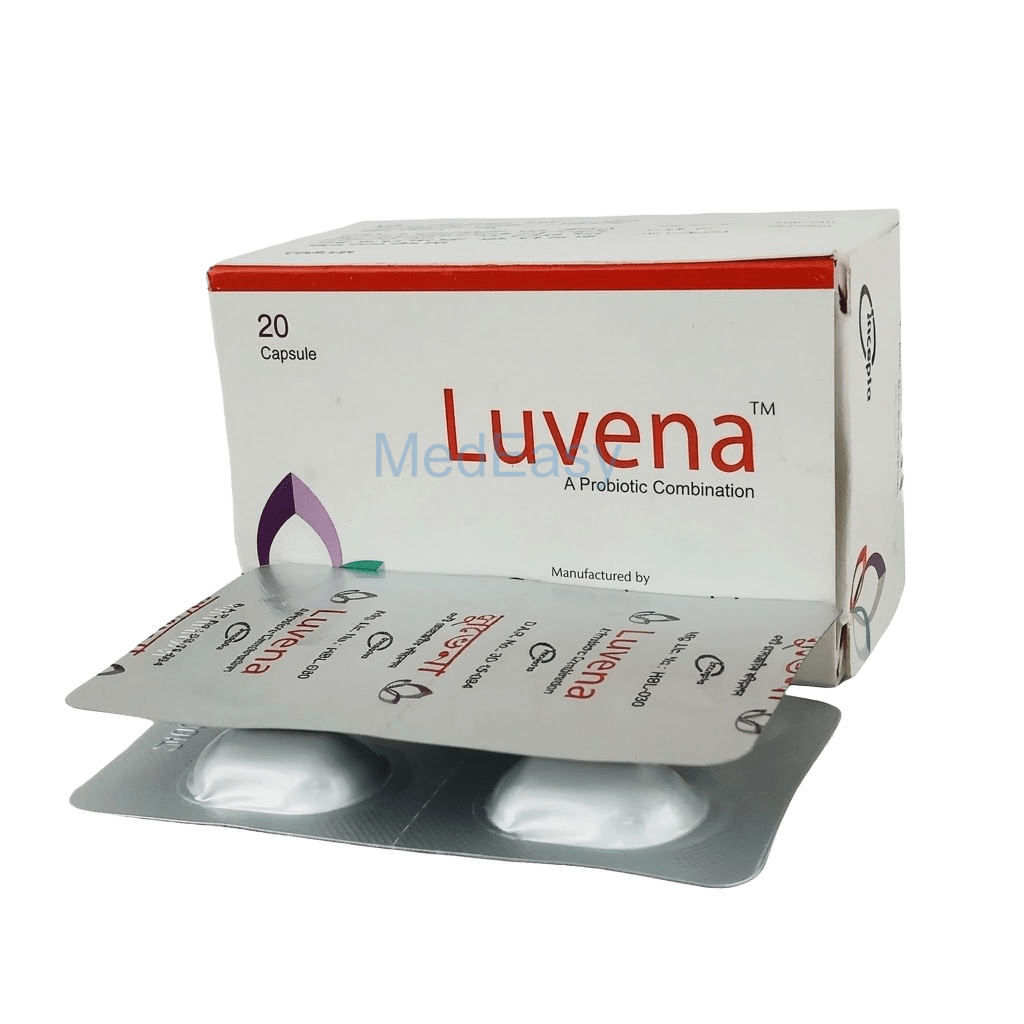
Generic medicine

Probiotic Combination: Brands, Price & Uses in Bangladesh

Probiotic Combination is a multi-strain probiotic supplement containing live beneficial microorganisms (such as Lactobacillus and Bifidobacterium species and more.

Forms:CapsuleSachet

About Probiotic Combination

Indications of Probiotic Combination

Probiotic Combination is a multi-strain probiotic supplement containing live beneficial microorganisms (such as Lactobacillus and Bifidobacterium species, and in some formulations Saccharomyces boulardii). It is used to support and restore healthy gut flora. The strength of evidence varies by indication and by the specific strains included:

  • Prevention/management of antibiotic-associated diarrhea (guideline-supported, adjunct use): Probiotic Combination is commonly recommended alongside antibiotic therapy to reduce the risk and severity of diarrhea caused by disruption of normal gut flora.
  • Adjunct treatment of acute infectious (viral) diarrhea, particularly in children (moderate-quality evidence, guideline-supported as adjunct): may modestly shorten the duration of acute gastroenteritis when used alongside standard oral rehydration therapy; it is not a substitute for rehydration.
  • General digestive health and gut flora maintenance (supportive/dietary-supplement use): used for symptomatic relief of mild digestive discomfort, bloating, and to help maintain a balanced intestinal microbiota, particularly after illness or antibiotic use.
  • Adjunct symptomatic relief in irritable bowel syndrome (IBS) (off-label, variable evidence): some patients report reduced bloating and improved bowel regularity; response is strain-specific and not guaranteed.

Probiotic Combination is a supportive/adjunct therapy and should not be used as a substitute for prescribed treatment of underlying gastrointestinal disease or infection.

Dosage & Administration of Probiotic Combination

IndicationTypical Adult DoseTypical Pediatric Dose
General digestive health / gut flora support1 capsule or 1 sachet once or twice daily, or as directed on the product labelAs per product label; pediatric-specific formulations/strengths should be used where available
Antibiotic-associated diarrhea prevention1 capsule/sachet once or twice daily, started with the antibiotic course and continued for several days after completionAs directed by physician; weight/age-appropriate formulation
Adjunct in acute infectious diarrhea1 sachet/capsule 1–2 times daily alongside oral rehydration therapy until symptoms resolveAge-appropriate dose as directed by physician; not a substitute for oral rehydration

Probiotic Combination should preferably be taken with or shortly after meals, or as specified on the product label, to improve organism survival through the stomach. When taken together with an antibiotic, doses of Probiotic Combination should be separated from the antibiotic dose by at least 2–3 hours to reduce the antibiotic's effect on the probiotic organisms. Duration of use varies by indication; for general supplementation, Probiotic Combination may be used for as long as advised by a physician or as indicated on the label.

Side Effects of Probiotic Combination

Probiotic Combination is generally very well tolerated. Reported side effects include:

  • Common: mild, transient gastrointestinal symptoms such as bloating, flatulence (gas), and mild abdominal discomfort, especially during the first few days of use.
  • Uncommon: mild changes in stool consistency or frequency.
  • Rare but serious: systemic infection (bacteremia or fungemia) has been reported very rarely, almost exclusively in severely immunocompromised, critically ill patients, or those with central venous catheters (see Contraindications). Patients should seek immediate medical attention if fever, chills, or signs of systemic infection develop while using Probiotic Combination.

Contraindications of Probiotic Combination

Probiotic Combination is contraindicated in:

  • Known hypersensitivity to any of the live microbial strains or other components of the specific Probiotic Combination formulation.
  • Severely immunocompromised patients (e.g., advanced HIV/AIDS, bone marrow transplant recipients, patients on high-dose immunosuppressive or chemotherapy regimens), critically ill patients, and patients with a central venous catheter in place — due to documented rare cases of probiotic-related bacteremia or fungemia (bloodstream infection) in these populations.

Frequently Asked Questions about Probiotic Combination

What is Probiotic Combination used for?

Probiotic Combination is a multi-strain probiotic supplement used to support healthy gut flora, help prevent or reduce antibiotic-associated diarrhea, act as an adjunct in acute infectious diarrhea (especially in children, alongside oral rehydration therapy), and support general digestive health. It is a supportive/adjunct therapy, not a replacement for prescribed treatment of underlying infections.

Can I take Probiotic Combination together with antibiotics?

Yes, Probiotic Combination is commonly used alongside antibiotics to help reduce the risk of antibiotic-associated diarrhea. However, antibiotics can reduce the viability of the live organisms in Probiotic Combination, so it is best to separate the two doses by at least 2–3 hours.

Who should avoid taking Probiotic Combination?

Probiotic Combination should be avoided by people who are severely immunocompromised (for example, due to advanced HIV/AIDS, bone marrow transplant, or high-dose chemotherapy/immunosuppressive therapy), critically ill patients, and those with a central venous catheter in place, because of a rare but documented risk of the live organisms causing a bloodstream infection (bacteremia or fungemia) in these groups. Anyone with a known allergy to a component of Probiotic Combination should also avoid it.

Is Probiotic Combination safe during pregnancy and breastfeeding?

Probiotic Combination is generally considered low-risk during pregnancy and breastfeeding given the long history of use of probiotic organisms in foods and supplements, but robust clinical trial data are limited. It should be used during pregnancy and lactation only if clearly needed, and a physician should be consulted before starting it.

What are the common side effects of Probiotic Combination?

Probiotic Combination is generally well tolerated. The most common side effects are mild and temporary gastrointestinal symptoms such as bloating, gas, and mild abdominal discomfort, particularly during the first few days of use. Serious side effects such as systemic infection are rare and occur almost exclusively in severely immunocompromised or critically ill patients.

What should I do if I miss a dose or take too much Probiotic Combination?

If you miss a dose of Probiotic Combination, simply resume your normal dosing schedule; do not double the next dose. Probiotic Combination has a wide margin of safety, so taking more than the recommended amount is unlikely to cause serious harm, though it may increase mild gastrointestinal side effects like bloating or gas. If you experience fever, chills, or feel seriously unwell after taking Probiotic Combination, seek immediate medical attention or contact emergency services/poison control.

Disclaimer

The information provided is accurate to the best of our knowledge, but it does not replace professional medical advice. We cannot guarantee its completeness or accuracy, and the absence of specific information about a drug should not be taken as an endorsement. We are not responsible for any consequences arising from this information, so please consult a healthcare professional for any concerns or questions.

DoctorBlogArticles