Generic medicine

Progesterone Micronised: Brands, Price & Uses in Bangladesh

Progesterone Micronised is a natural progestogen hormone used in several gynecological and reproductive indications.

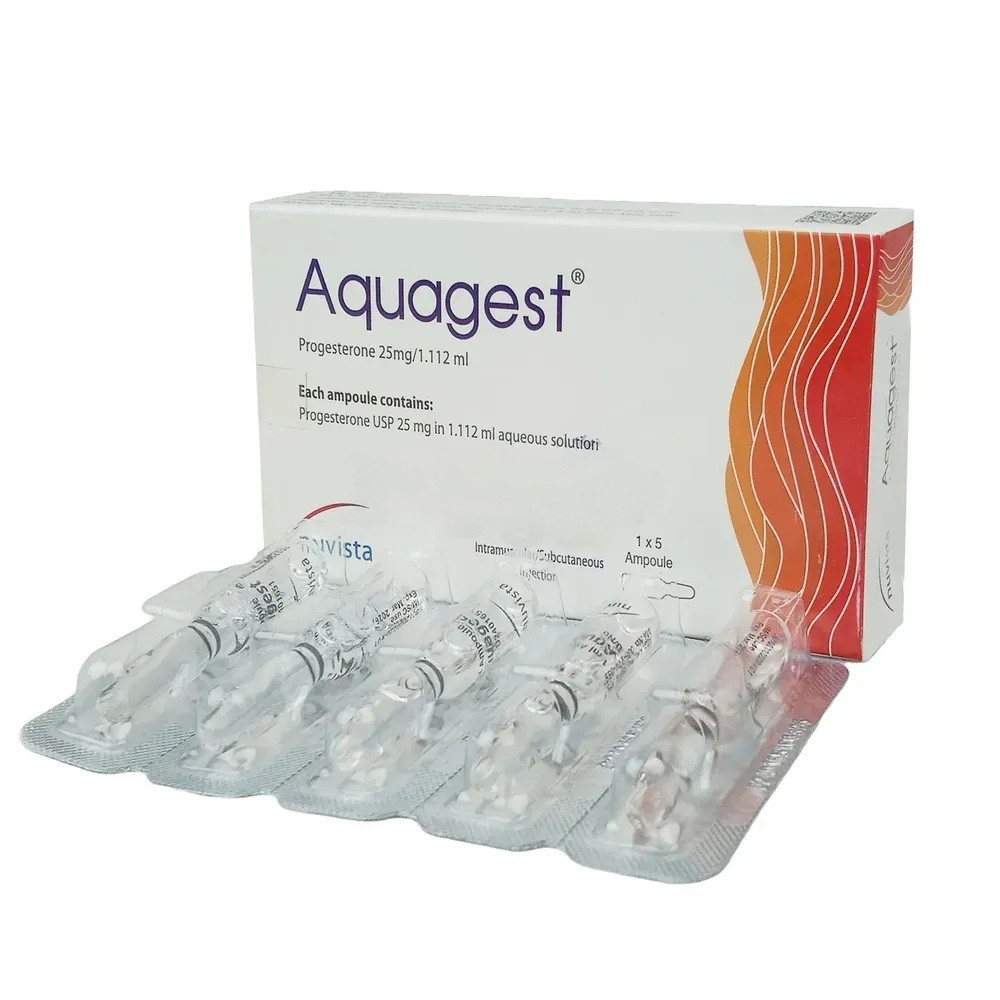
Forms:SC Injection

About Progesterone Micronised

Indications of Progesterone Micronised

Progesterone Micronised is a natural progestogen hormone used in several gynecological and reproductive indications. Its uses can be classified by strength of evidence as follows:

Established / approved uses

  • Secondary amenorrhea: to induce a withdrawal bleed in women with adequate endogenous estrogen but absent menses.
  • Prevention of endometrial hyperplasia: given cyclically with conjugated estrogen in non-hysterectomized postmenopausal women receiving estrogen replacement therapy, as part of hormone replacement therapy (HRT) in women with an intact uterus.
  • Abnormal uterine bleeding due to hormonal (anovulatory) imbalance: to regulate the endometrial cycle and control bleeding.

Guideline-supported / specialist-directed uses

  • Luteal phase support in assisted reproductive technology (ART): vaginal formulations of Progesterone Micronised are used to support the endometrium after in-vitro fertilization (IVF) and other ART procedures.
  • Prevention of preterm birth in women with a singleton pregnancy and a history of prior spontaneous preterm birth, or with a short cervix detected on ultrasound: vaginal formulations of Progesterone Micronised are used under obstetric supervision, per professional obstetric society guidance.

Progesterone Micronised is not an antibiotic and has no role in treating infections.

Dosage & Administration of Progesterone Micronised

Dosing by indication

IndicationTypical adult dose of Progesterone Micronised
Secondary amenorrhea (oral)400 mg orally once daily at bedtime for 10 days
Prevention of endometrial hyperplasia in HRT (oral, cyclic)200 mg orally once daily at bedtime for 12 days per 28-day cycle, taken with estrogen therapy
Luteal phase support in ART (vaginal)90-200 mg vaginally once or twice daily, starting around the time of oocyte retrieval/embryo transfer and continuing per fertility-specialist protocol
Prevention of preterm birth in high-risk pregnancy (vaginal)90-200 mg vaginally once daily, usually started between 16-24 weeks of gestation and continued until about 36 weeks, under obstetric supervision

Administration: Oral capsules of Progesterone Micronised are best taken at bedtime with water, on an empty stomach, because of transient dizziness/drowsiness that can occur after dosing. Vaginal formulations of Progesterone Micronised should be inserted as directed by the prescribing physician. Do not change the dose, frequency, or duration of Progesterone Micronised without medical advice, particularly for pregnancy-related indications.

Side Effects of Progesterone Micronised

Reported side effects of Progesterone Micronised include:

Common

  • Dizziness, drowsiness, or fatigue (more common with oral dosing)
  • Headache
  • Breast tenderness
  • Bloating and fluid retention
  • Mood changes, irritability
  • Nausea
  • Local irritation or discharge (with vaginal formulations)

Less common but serious

  • Venous thromboembolism (deep vein thrombosis, pulmonary embolism) — see Contraindications
  • Allergic/hypersensitivity reactions, including reactions related to peanut oil in oral formulations
  • Jaundice or signs of liver injury

Patients should seek prompt medical attention for chest pain, shortness of breath, leg swelling/pain, sudden severe headache, vision changes, or signs of jaundice while taking Progesterone Micronised.

Contraindications of Progesterone Micronised

Progesterone Micronised is contraindicated in patients with any of the following:

  • Known hypersensitivity to progesterone or to any excipient of the specific formulation (including peanut oil, used as a carrier in many oral capsule formulations).
  • Undiagnosed abnormal vaginal/genital bleeding.
  • Known or suspected breast cancer or other hormone-sensitive malignancy.
  • Active venous thromboembolism (deep vein thrombosis or pulmonary embolism) or a history of these conditions, and active arterial thromboembolic disease (e.g., stroke, myocardial infarction).
  • Active liver disease or severe hepatic impairment.
  • Known or suspected pregnancy, when Progesterone Micronised is being used for a non-pregnancy indication (e.g., HRT or amenorrhea) — this does not apply to formulations of Progesterone Micronised that are specifically prescribed for pregnancy-support indications under obstetric supervision.

Frequently Asked Questions about Progesterone Micronised

What is Progesterone Micronised used for?

Progesterone Micronised is a natural progesterone hormone used to treat secondary amenorrhea and abnormal uterine bleeding due to hormonal imbalance, to protect the uterine lining during estrogen-based hormone replacement therapy, to support the luteal phase in assisted reproduction (IVF), and, in vaginal form, to help prevent preterm birth in selected high-risk pregnancies under specialist care.

Can I take Progesterone Micronised during pregnancy?

Certain vaginal formulations of Progesterone Micronised are used in pregnancy for specific indications such as luteal support after IVF or prevention of preterm birth, but only under obstetric or fertility-specialist supervision, when the benefit is judged to outweigh potential risk. For other uses (such as HRT or treating amenorrhea), Progesterone Micronised should not be used if pregnancy is known or suspected. Always consult your physician before starting or continuing Progesterone Micronised in pregnancy.

Is Progesterone Micronised safe while breastfeeding?

Small amounts of progesterone pass into breast milk. Progesterone Micronised should only be used while breastfeeding if clearly needed, after your doctor weighs the benefit to you against any potential effect on your baby.

What are the common side effects of Progesterone Micronised?

Common side effects include dizziness, drowsiness (especially with oral dosing), headache, breast tenderness, bloating, and mood changes. Less commonly, Progesterone Micronised can be associated with blood clots (venous thromboembolism), allergic reactions (including reactions related to peanut oil in some oral formulations), or liver problems, which require prompt medical attention.

Who should not take Progesterone Micronised?

Progesterone Micronised should not be used by people with undiagnosed vaginal bleeding, known or suspected breast cancer or other hormone-sensitive cancer, active or past blood clots (DVT/PE) or stroke/heart attack, active liver disease, or known hypersensitivity to progesterone or to peanut oil (found in many oral capsule formulations of Progesterone Micronised).

What should I do if I miss a dose or take too much Progesterone Micronised?

If you miss a dose of Progesterone Micronised, take it as soon as you remember unless it is close to the next dose; do not double up. If you or someone else has taken more Progesterone Micronised than prescribed, seek immediate medical attention or contact a poison control center, as excessive dosing can cause pronounced drowsiness, dizziness, or nausea.

Disclaimer

The information provided is accurate to the best of our knowledge, but it does not replace professional medical advice. We cannot guarantee its completeness or accuracy, and the absence of specific information about a drug should not be taken as an endorsement. We are not responsible for any consequences arising from this information, so please consult a healthcare professional for any concerns or questions.

DoctorBlogArticles