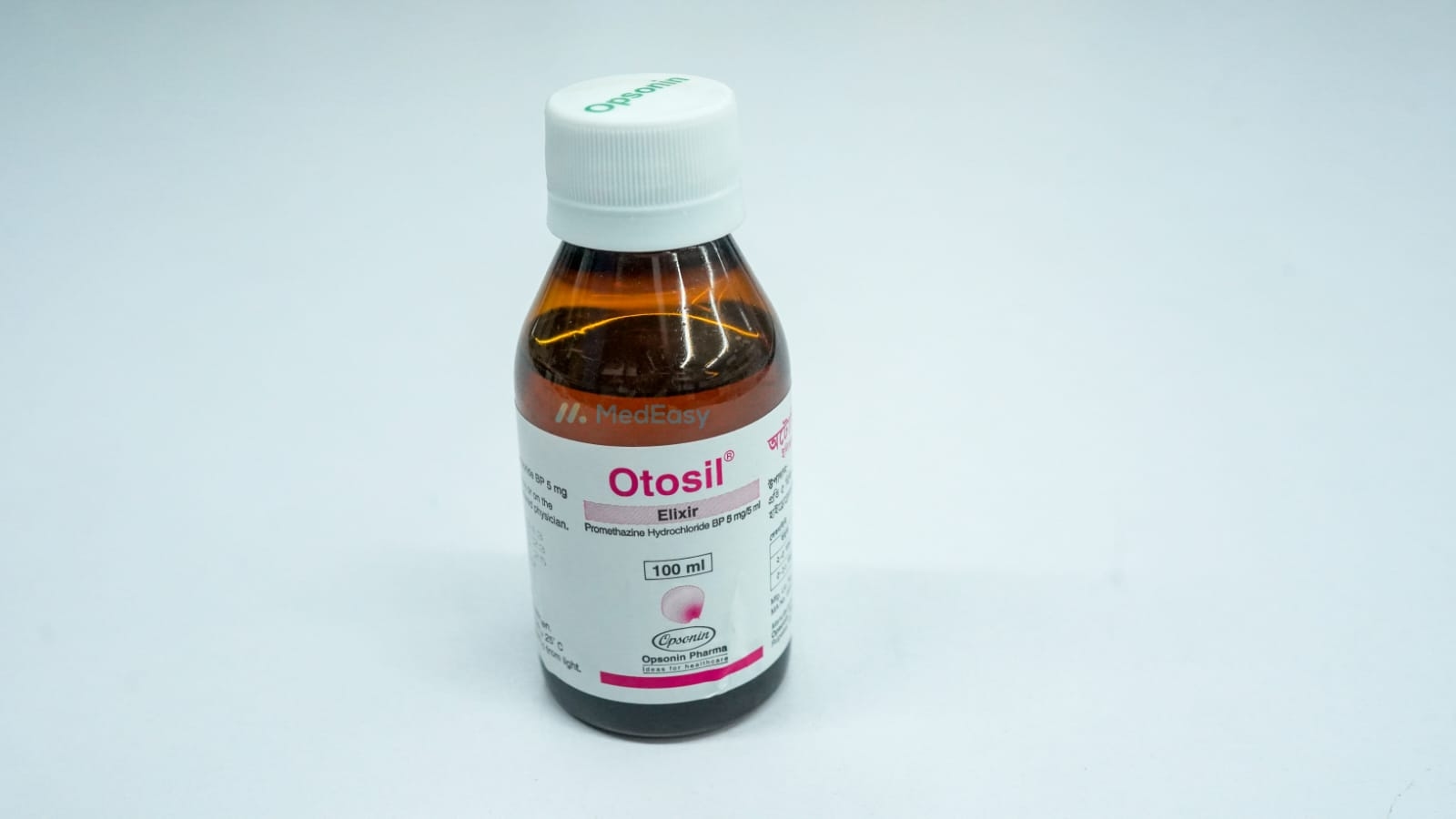
Generic medicine

Promethazine Hydrochloride: Brands, Price & Uses in Bangladesh

Promethazine Hydrochloride is a first-generation phenothiazine antihistamine with antiemetic and sedative properties.

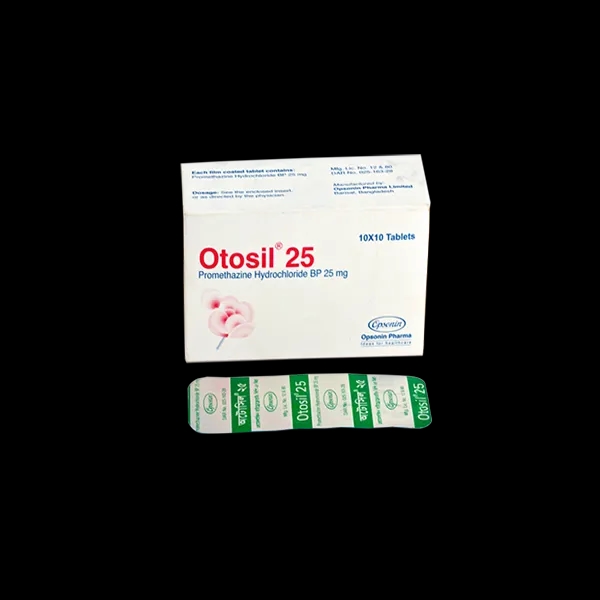
Forms:ElixirTabletInjection

About Promethazine Hydrochloride

Indications of Promethazine Hydrochloride

Promethazine Hydrochloride is a first-generation phenothiazine antihistamine with antiemetic and sedative properties. It is FDA-approved and used for the following indications:

  • Allergic conditions: Symptomatic treatment of allergic conditions such as perennial and seasonal allergic rhinitis, allergic conjunctivitis, urticaria, and angioedema; also used as adjunctive therapy in anaphylaxis after acute symptoms have been controlled.
  • Nausea and vomiting: Prevention and control of nausea and vomiting associated with various conditions, including postoperative nausea and vomiting.
  • Motion sickness: Prevention and treatment of motion sickness.
  • Sedation: Preoperative, postoperative, and obstetric sedation; sedation and relief of apprehension in adults and pediatric patients (2 years and older), and to provide light sedation for surgical or diagnostic procedures.
  • Adjunct to analgesics: Used with reduced doses of analgesics for control of postoperative pain, as it potentiates the effect of analgesics when used adjunctively.

In Bangladesh, Promethazine Hydrochloride is also commonly used off-label for short-term relief of cough associated with allergic conditions, as part of combination cough preparations, and as a nighttime sedative-antihistamine; such off-label use should be guided by a physician.

Dosage & Administration of Promethazine Hydrochloride

Dosage of Promethazine Hydrochloride must be individualized according to the indication, age, and response of the patient, using the lowest effective dose.

Allergy (Adults)

  • 12.5 mg before meals and at bedtime, or 25 mg at bedtime if needed.

Allergy (Children 2 years and older)

  • 6.25-12.5 mg three times daily, or 25 mg at bedtime, not to exceed the lowest effective dose.

Nausea and Vomiting (Adults)

  • 12.5-25 mg every 4-6 hours as needed, oral, rectal, or by deep intramuscular injection.

Nausea and Vomiting (Children 2 years and older)

  • 0.25-0.5 mg/kg (or approximately 12.5-25 mg) every 4-6 hours as needed; use lowest effective dose.

Sedation (Adults)

  • 25-50 mg at bedtime.

Sedation (Children 2 years and older)

  • 12.5-25 mg at bedtime.

Motion Sickness (Adults)

  • 25 mg twice daily; first dose 30-60 minutes before travel, repeated in 8-12 hours if needed.

Injectable use

  • For parenteral use, the deep intramuscular route is preferred. Injectable Promethazine Hydrochloride is not approved for subcutaneous administration due to risk of severe tissue injury, including gangrene. When given intravenously, it must be given as a slow injection into a running IV line, in the lowest possible concentration, due to risk of severe chemical irritation and tissue damage.

Promethazine Hydrochloride is contraindicated in children under 2 years of age due to the risk of fatal respiratory depression (see Contraindications). Use should not exceed 10 days for cough/cold symptoms without medical reassessment.

Side Effects of Promethazine Hydrochloride

Common side effects of Promethazine Hydrochloride include:

  • Drowsiness and sedation (very common, dose-related)
  • Dizziness, confusion, disorientation (especially in elderly patients)
  • Dry mouth, blurred vision, constipation, urinary retention (anticholinergic effects)
  • Photosensitivity (increased sun sensitivity)

Serious but less common adverse effects include:

  • Respiratory depression, which can be fatal, particularly in young children and in combination with other CNS depressants (boxed warning).
  • Severe tissue injury, including gangrene, with inadvertent intra-arterial injection or perivascular extravasation of the injectable form (boxed warning).
  • Neuroleptic malignant syndrome (rare): high fever, severe muscle rigidity, altered mental status, and autonomic instability - a medical emergency.
  • Extrapyramidal symptoms (abnormal movements, muscle stiffness).
  • Blood dyscrasias (leukopenia, agranulocytosis) - rare.
  • Cardiac arrhythmias and QT prolongation - rare.
  • Lowered seizure threshold in patients with seizure disorders.

Patients should seek prompt medical attention for difficulty breathing, unusual muscle stiffness, high fever, or signs of an allergic reaction while taking Promethazine Hydrochloride.

Contraindications of Promethazine Hydrochloride

Promethazine Hydrochloride is contraindicated in:

  • Known hypersensitivity to promethazine or other phenothiazines.
  • Children under 2 years of age, due to the risk of fatal respiratory depression (boxed warning).
  • Comatose states or CNS depression from any cause.
  • Concurrent use with, or use within 14 days of, monoamine oxidase inhibitors (MAOIs).
  • Subcutaneous administration of the injectable form (risk of severe tissue necrosis/gangrene) - the injectable form is not for subcutaneous use.

Frequently Asked Questions about Promethazine Hydrochloride

What is Promethazine Hydrochloride used for?

Promethazine Hydrochloride is used to relieve allergy symptoms, prevent and treat nausea and vomiting (including motion sickness), and provide sedation before or after surgery. It is also sometimes used as a nighttime sedative-antihistamine.

Can Promethazine Hydrochloride be given to young children?

No. Promethazine Hydrochloride is contraindicated in children under 2 years of age because it can cause severe, potentially fatal, respiratory depression. In children 2 years and older, it should only be used under medical guidance, at the lowest effective dose.

Will Promethazine Hydrochloride make me drowsy?

Yes, drowsiness and sedation are very common with Promethazine Hydrochloride. Avoid driving, operating machinery, or drinking alcohol while taking it until you know how it affects you.

Is it safe to take Promethazine Hydrochloride during pregnancy or while breastfeeding?

Promethazine Hydrochloride should be used in pregnancy only if clearly needed, as advised by a physician, since its safety has not been fully established and it may affect the newborn if used close to delivery. It also passes into breast milk, so breastfeeding mothers should consult their physician before use.

Can Promethazine Hydrochloride injection be given under the skin (subcutaneously)?

No. Injectable Promethazine Hydrochloride must never be given subcutaneously, as this can cause severe tissue injury, including gangrene. It should only be given by deep intramuscular injection or, when appropriate, by slow intravenous injection under medical supervision.

What should I do if I think I have taken too much Promethazine Hydrochloride?

Overdose of Promethazine Hydrochloride can cause severe drowsiness, breathing problems, or (especially in children) agitation and seizures. Seek immediate medical attention or contact a poison control center/emergency services right away; do not try to treat an overdose at home.

Disclaimer

The information provided is accurate to the best of our knowledge, but it does not replace professional medical advice. We cannot guarantee its completeness or accuracy, and the absence of specific information about a drug should not be taken as an endorsement. We are not responsible for any consequences arising from this information, so please consult a healthcare professional for any concerns or questions.
DoctorBlogArticles
