
Generic medicine

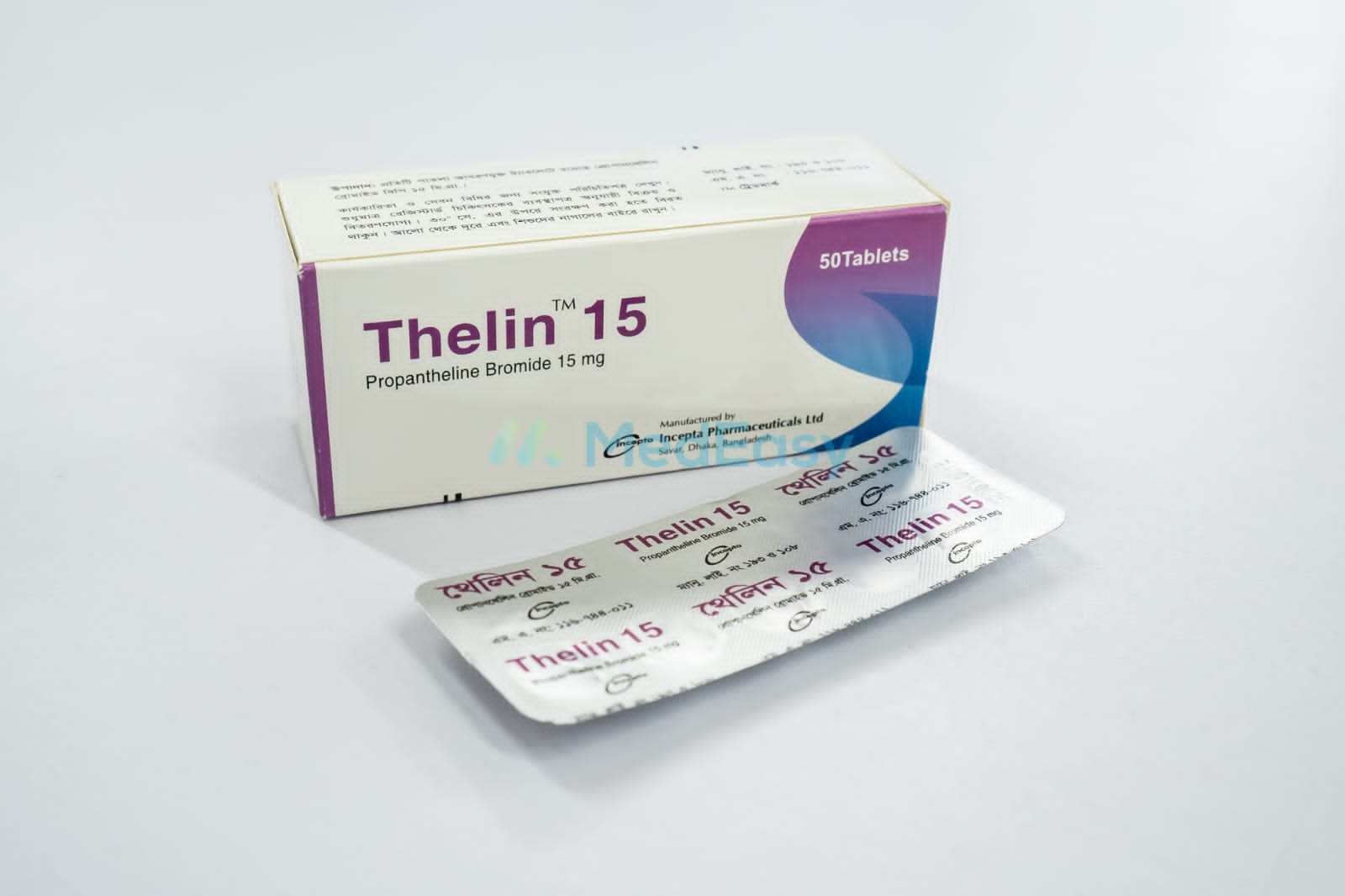
Propantheline Bromide: Brands, Price & Uses in Bangladesh

Established / FDA-Approved Use Propantheline Bromide is approved as adjunctive therapy in the treatment of peptic ulcer disease .

Forms:Tablet

About Propantheline Bromide

Indications of Propantheline Bromide

Established / FDA-Approved Use

  • Propantheline Bromide is approved as adjunctive therapy in the treatment of peptic ulcer disease. It does not treat the underlying cause of the ulcer (e.g. H. pylori infection or acid hypersecretion) and is used alongside appropriate definitive therapy (such as acid-suppressing agents and, where indicated, eradication therapy) to reduce gastric motility and secretions and relieve associated spasm/pain.

Other Recognized / Off-Label Uses

Because of its antimuscarinic, smooth-muscle-relaxant action, Propantheline Bromide has also been used off-label, based on clinical experience rather than large controlled trials, for:

  • Symptomatic relief of gastrointestinal hypermotility and spasm, including irritable bowel syndrome with diarrhea.
  • Adjunctive treatment of other conditions associated with GI muscle spasm (e.g. certain functional bowel disorders).
  • Off-label use in hyperhidrosis (excessive sweating), given its antisecretory effect on sweat glands.

These off-label uses should only be undertaken on a physician's advice, weighing benefit against the drug's anticholinergic side-effect profile.

Dosage & Administration of Propantheline Bromide

Adult Dose (Peptic Ulcer / GI Spasm)

PopulationTypical Regimen
Usual adult15 mg, three times daily, 30 minutes before each meal, plus 30 mg at bedtime (total 75 mg/day). Dose is individualized up to a maximum of 120 mg/day based on response and tolerance.
Elderly / small-stature adultsLower starting dose of 7.5 mg three times daily before meals, titrated cautiously due to increased sensitivity to anticholinergic effects.
PediatricSafety and efficacy have not been established; not recommended for routine pediatric use (see Use in Special Populations).

Dosing should always be individualized by the prescribing physician based on symptom response and tolerability. See Administration for timing instructions and Contraindications/Precautions before use.

Side Effects of Propantheline Bromide

Side effects of Propantheline Bromide are generally dose-related and reflect its anticholinergic action:

Common

  • Dry mouth
  • Blurred vision and pupil dilation (mydriasis)
  • Constipation
  • Urinary hesitancy
  • Decreased sweating

Less Common

  • Tachycardia and palpitations
  • Headache, dizziness, drowsiness, nervousness, or confusion (more likely in elderly patients)
  • Nausea and vomiting
  • Taste disturbance
  • Urinary retention
  • Suppression of lactation, reduced libido/impotence

Rare / Serious

  • Heat exhaustion or heat stroke due to reduced sweating in hot environments
  • Severe allergic/hypersensitivity reactions

Patients should seek medical advice if side effects are severe or persistent.

Contraindications of Propantheline Bromide

Propantheline Bromide is contraindicated in patients with:

  • Known hypersensitivity to Propantheline Bromide or other anticholinergic/antimuscarinic agents.
  • Narrow-angle (angle-closure) glaucoma.
  • Obstructive uropathy (e.g. bladder neck obstruction due to prostatic hypertrophy).
  • Obstructive disease of the gastrointestinal tract (e.g. pyloroduodenal stenosis).
  • Paralytic ileus or intestinal atony, particularly in elderly or debilitated patients.
  • Severe ulcerative colitis or toxic megacolon complicating ulcerative colitis.
  • Myasthenia gravis.
  • Unstable cardiovascular status in the setting of acute hemorrhage.

Frequently Asked Questions about Propantheline Bromide

What is Propantheline Bromide used for?

Propantheline Bromide is used mainly as adjunctive therapy for peptic ulcer disease, helping reduce stomach acid secretion and gastrointestinal spasm alongside other prescribed treatments. It is also sometimes used off-label for other conditions involving GI hypermotility or excessive sweating, on a physician's advice.

How should I take Propantheline Bromide?

Propantheline Bromide is usually taken 30 minutes before meals, with an additional dose at bedtime, exactly as prescribed. Swallow the tablet with water and do not stop or change the dose without consulting your physician.

Can I take Propantheline Bromide if I have glaucoma?

No. Propantheline Bromide is contraindicated in narrow-angle glaucoma because its anticholinergic effect can raise pressure inside the eye and worsen this condition. Always tell your doctor about any eye conditions before starting Propantheline Bromide.

Is Propantheline Bromide safe during pregnancy or breastfeeding?

Propantheline Bromide falls under pregnancy category C, meaning safety in pregnancy is not fully established. It should be used in pregnancy only if clearly needed and if the benefit outweighs potential risk to the fetus, and only under medical supervision. It may also suppress breast milk production, so breastfeeding mothers should consult their physician before use.

What are the common side effects of Propantheline Bromide?

Common side effects of Propantheline Bromide include dry mouth, blurred vision, constipation, urinary hesitancy, and reduced sweating. These are related to its anticholinergic action and are usually dose-related; contact your doctor if they are severe or bothersome.

What should I do if I take too much Propantheline Bromide?

An overdose of Propantheline Bromide is a medical emergency that can cause severe anticholinergic effects, confusion, rapid heartbeat, and breathing difficulty. Seek immediate medical attention or contact emergency services or a poison control center right away; do not try to treat an overdose at home.

Disclaimer

The information provided is accurate to the best of our knowledge, but it does not replace professional medical advice. We cannot guarantee its completeness or accuracy, and the absence of specific information about a drug should not be taken as an endorsement. We are not responsible for any consequences arising from this information, so please consult a healthcare professional for any concerns or questions.
DoctorBlogArticles