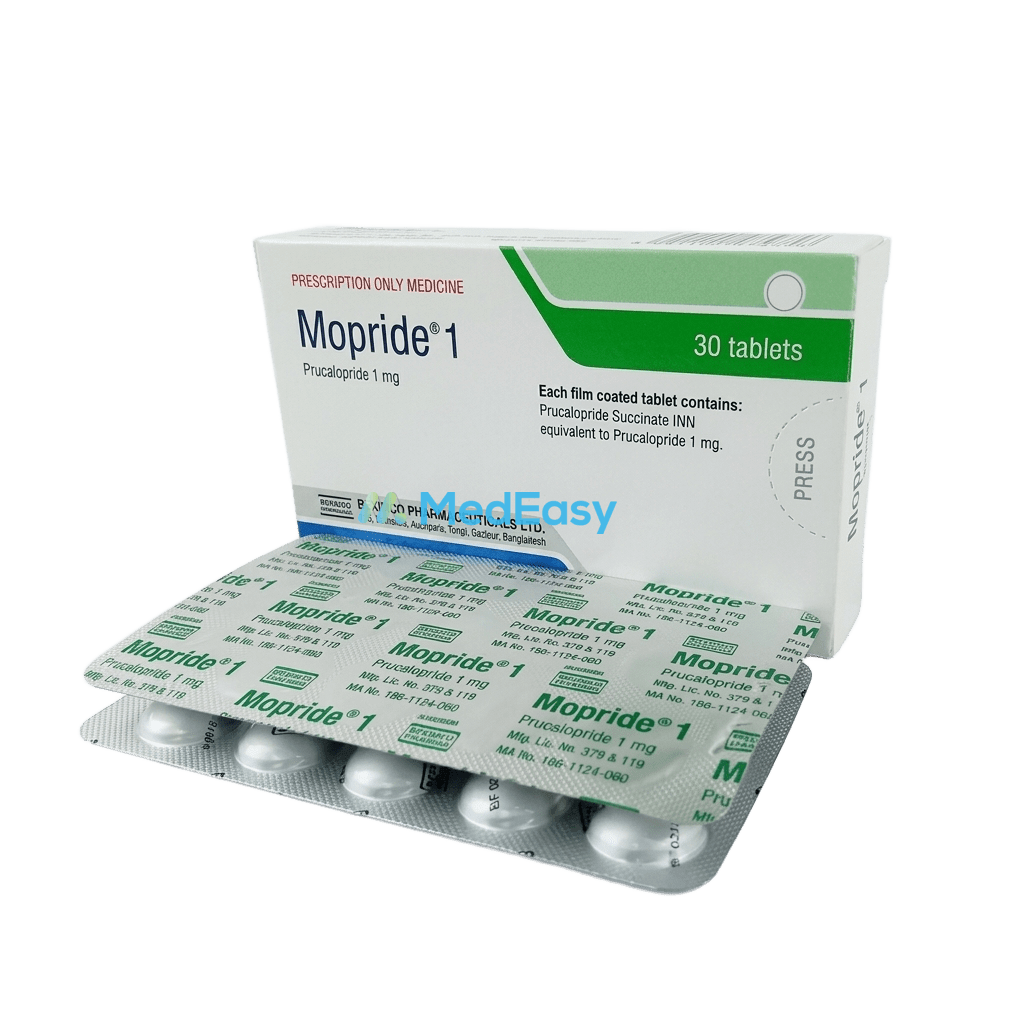
Generic medicine

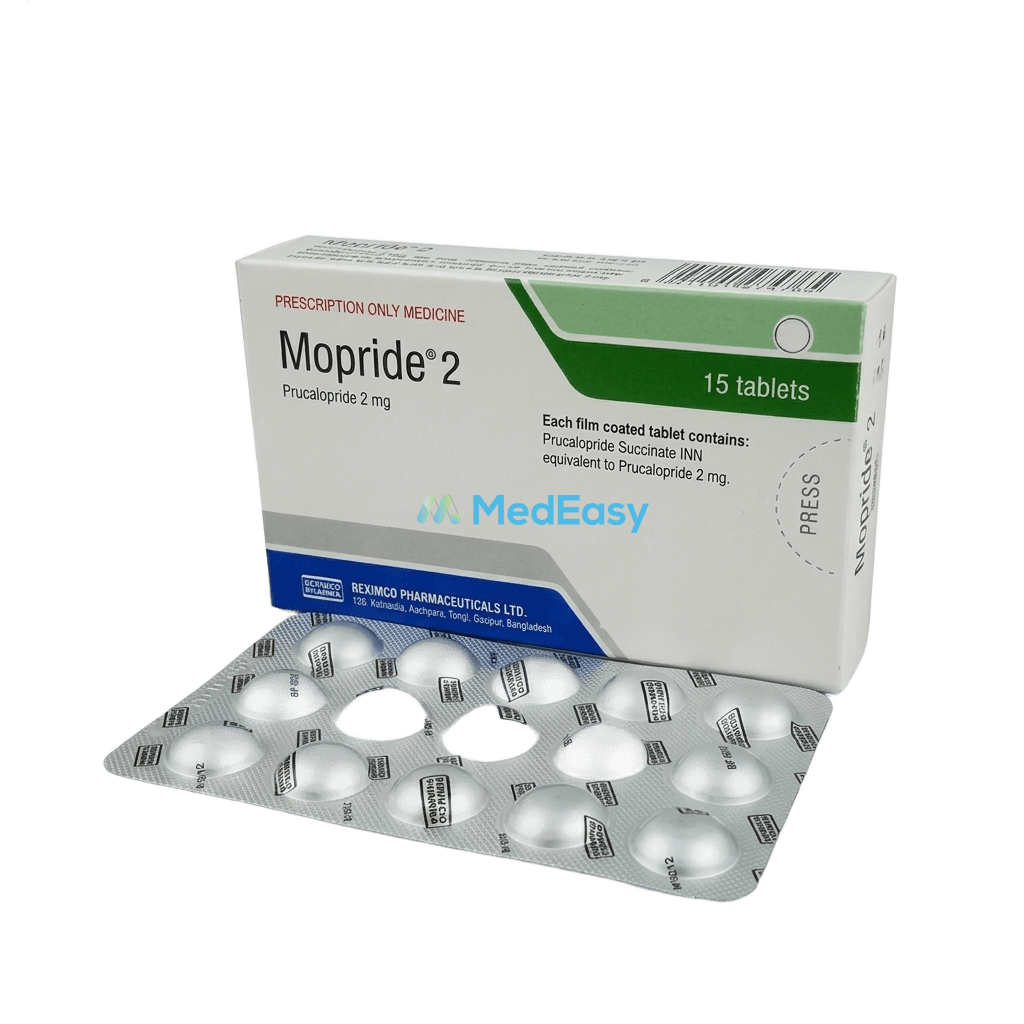
Prucalopride Succinate: Brands, Price & Uses in Bangladesh

Prucalopride Succinate is indicated for the treatment of the following condition: Established / Approved Indication Chronic Idiopathic Constipation (CIC) in adults — Prucalopride Succinate is…

Forms:Tablet

About Prucalopride Succinate

Indications of Prucalopride Succinate

Prucalopride Succinate is indicated for the treatment of the following condition:

Established / Approved Indication

  • Chronic Idiopathic Constipation (CIC) in adults — Prucalopride Succinate is approved for adults whose chronic constipation has not been adequately controlled with conventional laxatives, or in whom laxatives fail to provide adequate relief.

Other Uses (Evidence-Based, Not Primary FDA Label Use)

  • Some clinical studies and specialist guidelines support use of Prucalopride Succinate for constipation associated with opioid use or for constipation-predominant symptoms in certain neurogenic bowel conditions, generally as a second-line option after standard laxatives; this use should only be undertaken on physician advice.

Prucalopride Succinate is not indicated for children/adolescents under 18 years, as safety and efficacy have not been established in this age group.

Dosage & Administration of Prucalopride Succinate

Prucalopride Succinate should be taken exactly as prescribed by a physician. The following is general guidance; individual dosing must be confirmed by a healthcare provider.

Population / IndicationRecommended Dose
Adults (18–65 years) with chronic idiopathic constipation2 mg once daily, with or without food
Elderly patients (>65 years)Start at 1 mg once daily; may be increased to 2 mg once daily if well tolerated and clinically needed
Severe renal impairment (creatinine clearance <30 mL/min)1 mg once daily
Mild to moderate renal impairmentNo dose adjustment generally required
Severe hepatic impairmentUse with caution; consult physician for individualized dosing

If no improvement in constipation is observed after 4 weeks of treatment at the appropriate dose, the patient should be re-examined and continued treatment reconsidered by the prescribing physician.

Side Effects of Prucalopride Succinate

The most commonly reported side effects of Prucalopride Succinate, especially during the first days of treatment, include:

  • Headache
  • Nausea
  • Diarrhea
  • Abdominal pain and abdominal distension
  • Dizziness
  • Vomiting
  • Flatulence
  • Fatigue

These effects are usually transient, occur mainly on the first day of treatment, and typically resolve within a few days with continued use. Less commonly, hypersensitivity reactions (rash, urticaria, swelling of the face, difficulty breathing) have been reported and require immediate discontinuation and medical attention (see Precautions and Warnings). Postmarketing reports have also noted mood or behavioral changes such as new or worsening anxiety, depression, or suicidal thoughts in some patients; any such symptom should be reported to a physician promptly.

Contraindications of Prucalopride Succinate

Prucalopride Succinate is contraindicated in the following conditions:

  • Known hypersensitivity to prucalopride or any component of the formulation.
  • Intestinal perforation or obstruction due to a structural or functional disorder of the gut wall.
  • Obstructive ileus.
  • Severe inflammatory conditions of the intestinal tract, such as Crohn’s disease, ulcerative colitis, and toxic megacolon/toxic dilatation.

Frequently Asked Questions about Prucalopride Succinate

What is Prucalopride Succinate used for?

Prucalopride Succinate is used to treat chronic idiopathic constipation in adults, especially when regular laxatives have not worked well enough. It works by stimulating natural bowel movement rather than simply softening stool.

How long does it take for Prucalopride Succinate to work?

Many patients notice improved bowel movements within the first week, though some side effects like headache, nausea, or diarrhea can also appear early and usually settle within a few days. If there is no improvement after 4 weeks, consult your physician.

Can Prucalopride Succinate be taken during pregnancy or breastfeeding?

Data in pregnant women are limited, and Prucalopride Succinate passes into breast milk. It should only be used in pregnancy or while breastfeeding if a physician determines the benefit outweighs the potential risk; always consult your doctor first.

Is Prucalopride Succinate safe for the heart?

Prucalopride Succinate is highly selective for the 5-HT4 receptor and has shown no clinically relevant QT prolongation or significant cardiovascular signal in clinical studies, distinguishing it from some older 5-HT4 agonists that were withdrawn due to cardiac risk. Still, use only as prescribed by your physician.

Who should not take Prucalopride Succinate?

Prucalopride Succinate should not be used by anyone with a known hypersensitivity to prucalopride, intestinal perforation or obstruction, obstructive ileus, or severe inflammatory bowel conditions such as Crohn’s disease, ulcerative colitis, or toxic megacolon.

Does Prucalopride Succinate require a dose adjustment in kidney problems?

Yes. Patients with severe renal impairment (creatinine clearance below 30 mL/min) should use a reduced dose of 1 mg once daily instead of the standard 2 mg dose, and it is not recommended in patients on dialysis. Consult your physician for the correct dose.

Disclaimer

The information provided is accurate to the best of our knowledge, but it does not replace professional medical advice. We cannot guarantee its completeness or accuracy, and the absence of specific information about a drug should not be taken as an endorsement. We are not responsible for any consequences arising from this information, so please consult a healthcare professional for any concerns or questions.

DoctorBlogArticles