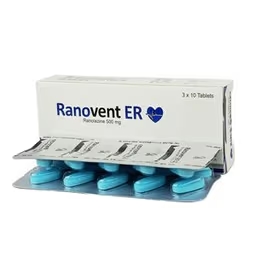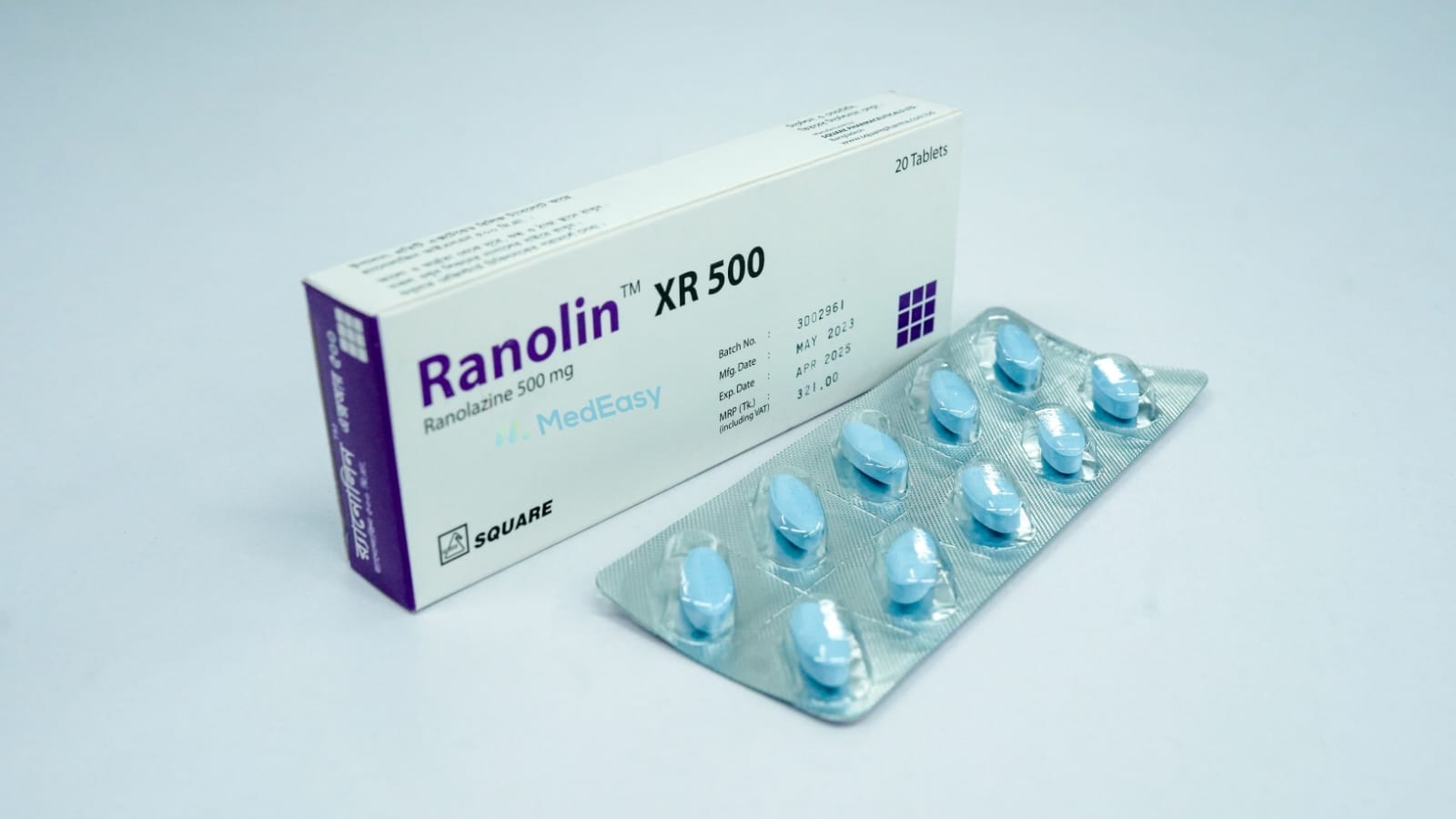
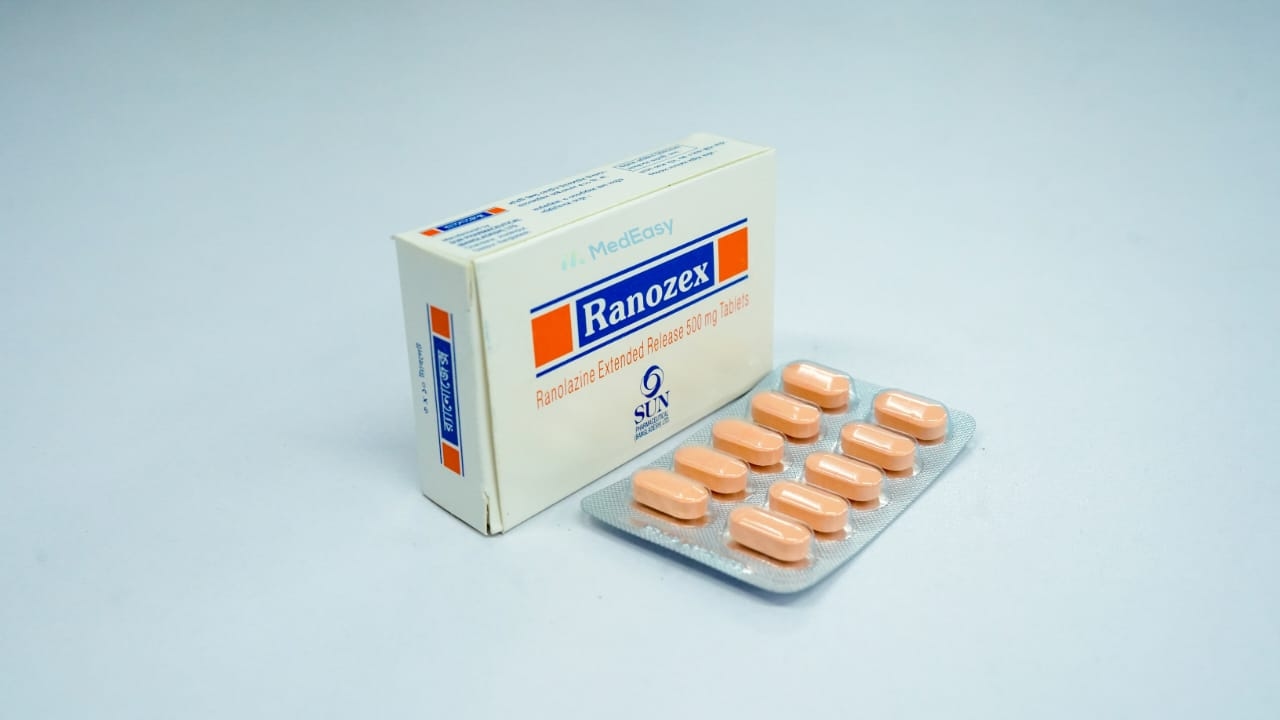
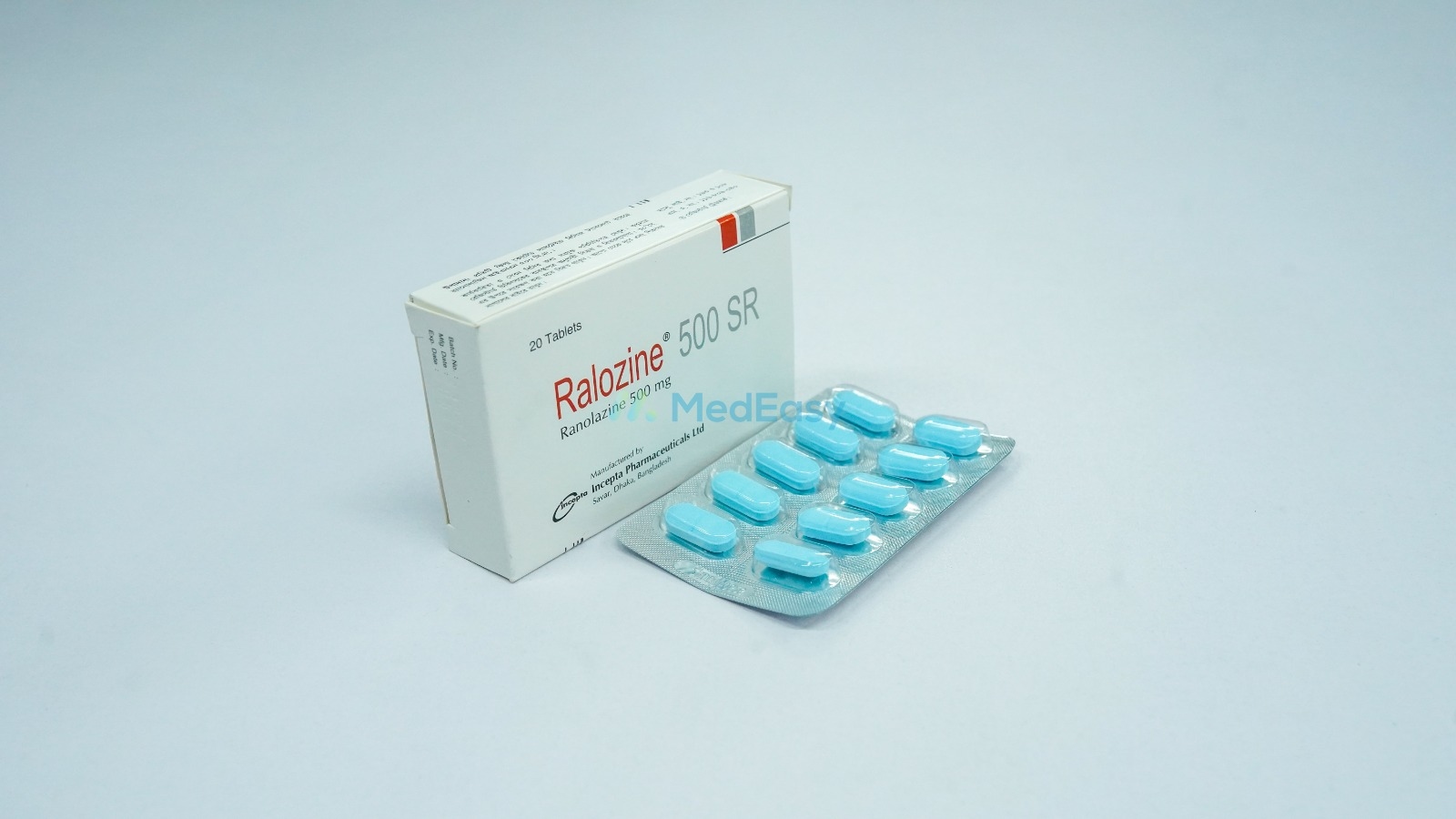
Generic medicine

Ranolazine: Brands, Price & Uses in Bangladesh

Ranolazine is an anti-anginal medicine indicated for the treatment of chronic angina (long-term management of stable angina pectoris), not for relief of an acute angina attack.

Forms:TabletTablet (Extended Release)

About Ranolazine

Indications of Ranolazine

Ranolazine is an anti-anginal medicine indicated for the treatment of chronic angina (long-term management of stable angina pectoris), not for relief of an acute angina attack.

  • Established / FDA-approved use: Treatment of chronic stable angina in adults. Ranolazine may be used as monotherapy, but it is most commonly used as add-on (combination) therapy when angina remains inadequately controlled with other anti-anginal agents such as beta-blockers, calcium channel blockers (e.g., amlodipine), or nitrates.
  • Adjunct/combination use: When used together with amlodipine, beta-blockers, or nitrates, Ranolazine further reduces the frequency of angina episodes and increases exercise tolerance.
  • Not indicated for the treatment of an acute anginal episode; it does not provide immediate relief and should not be relied upon for that purpose.
  • Off-label / investigational use: Ranolazine has been studied off-label for its potential antiarrhythmic effects (e.g., in atrial fibrillation) in clinical trials, but this is not an approved indication and is not established as standard therapy; such use should be guided solely by a specialist physician.

Dosage & Administration of Ranolazine

Adult Dose (Chronic Angina)

StepDose
Starting dose500 mg orally twice daily
TitrationMay be increased to 1000 mg twice daily based on clinical symptoms and response
Maximum dose1000 mg twice daily

Pediatric Dose

Safety and efficacy of Ranolazine have not been established in pediatric patients; it is not recommended for use in this population.

Renal Impairment

Ranolazine should be used with caution in patients with mild-to-moderate renal impairment, as it has been associated with rare reports of acute kidney injury; it has not been well studied in severe renal impairment and close monitoring is advised (see Precautions and Warnings).

Hepatic Impairment

Ranolazine is contraindicated in patients with hepatic cirrhosis (see Contraindications).

Administration Instructions

  • Extended-release tablets of Ranolazine should be swallowed whole; do not crush, break, or chew.
  • May be taken with or without food.
  • Ranolazine is intended for chronic maintenance treatment of angina and is not effective for terminating an acute angina attack.

Side Effects of Ranolazine

The most commonly reported side effects of Ranolazine include:

  • Dizziness
  • Headache
  • Constipation
  • Nausea

Less common but clinically important effects include asthenia (weakness), hypotension, dose-related QT interval prolongation, and, rarely, syncope. Patients experiencing fainting, palpitations, severe dizziness, or signs of an allergic reaction while taking Ranolazine should seek prompt medical attention.

Contraindications of Ranolazine

Ranolazine is contraindicated in the following situations:

  • Known hypersensitivity to Ranolazine or any component of the formulation.
  • Hepatic cirrhosis (clinically significant hepatic impairment).
  • Concomitant use with strong CYP3A4 inhibitors (e.g., ketoconazole, itraconazole, clarithromycin, HIV protease inhibitors such as ritonavir, nefazodone).
  • Concomitant use with potent CYP3A4 inducers (e.g., rifampin, rifabutin, rifapentine, phenytoin, carbamazepine, phenobarbital, St. John's Wort).

Frequently Asked Questions about Ranolazine

What is Ranolazine used for?

Ranolazine is used for the long-term (chronic) treatment of angina (chest pain due to reduced blood flow to the heart). It is often added to other angina medicines, such as beta-blockers, amlodipine, or nitrates, when symptoms are not fully controlled. It is not used to relieve a sudden angina attack.

Can Ranolazine be used to stop a sudden chest pain attack?

No. Ranolazine is intended for regular, ongoing use to reduce how often angina occurs; it does not act quickly enough to relieve an acute angina attack. If you experience sudden or worsening chest pain, seek emergency medical care immediately.

What are the common side effects of Ranolazine?

The most common side effects of Ranolazine are dizziness, headache, constipation, and nausea. Less commonly, it can cause low blood pressure, weakness, or changes in the heart's electrical activity (QT interval prolongation). Tell your doctor if you feel faint, have palpitations, or notice any unusual symptoms.

Who should not take Ranolazine?

Ranolazine should not be used by people who are allergic to it, who have liver cirrhosis, or who are taking certain strong CYP3A4-inhibiting medicines (such as ketoconazole, itraconazole, clarithromycin, or certain HIV medicines) or strong CYP3A4-inducing medicines (such as rifampin, phenytoin, or carbamazepine), because these combinations are contraindicated and can be dangerous.

Is Ranolazine safe during pregnancy or breastfeeding?

Information on the use of Ranolazine during pregnancy is limited, so it should be used in pregnancy only if the potential benefit clearly outweighs the potential risk, and only under a physician's guidance. It is not known whether Ranolazine passes into breast milk, so a doctor should be consulted to decide between continuing breastfeeding or continuing Ranolazine therapy.

What should I do if I take too much Ranolazine?

An overdose of Ranolazine can cause dizziness, nausea, vomiting, low blood pressure, double vision, confusion, or fainting. If an overdose is suspected, seek immediate medical attention or contact emergency services or a poison control center right away; do not attempt to treat an overdose at home.

Disclaimer

The information provided is accurate to the best of our knowledge, but it does not replace professional medical advice. We cannot guarantee its completeness or accuracy, and the absence of specific information about a drug should not be taken as an endorsement. We are not responsible for any consequences arising from this information, so please consult a healthcare professional for any concerns or questions.
DoctorBlogArticles