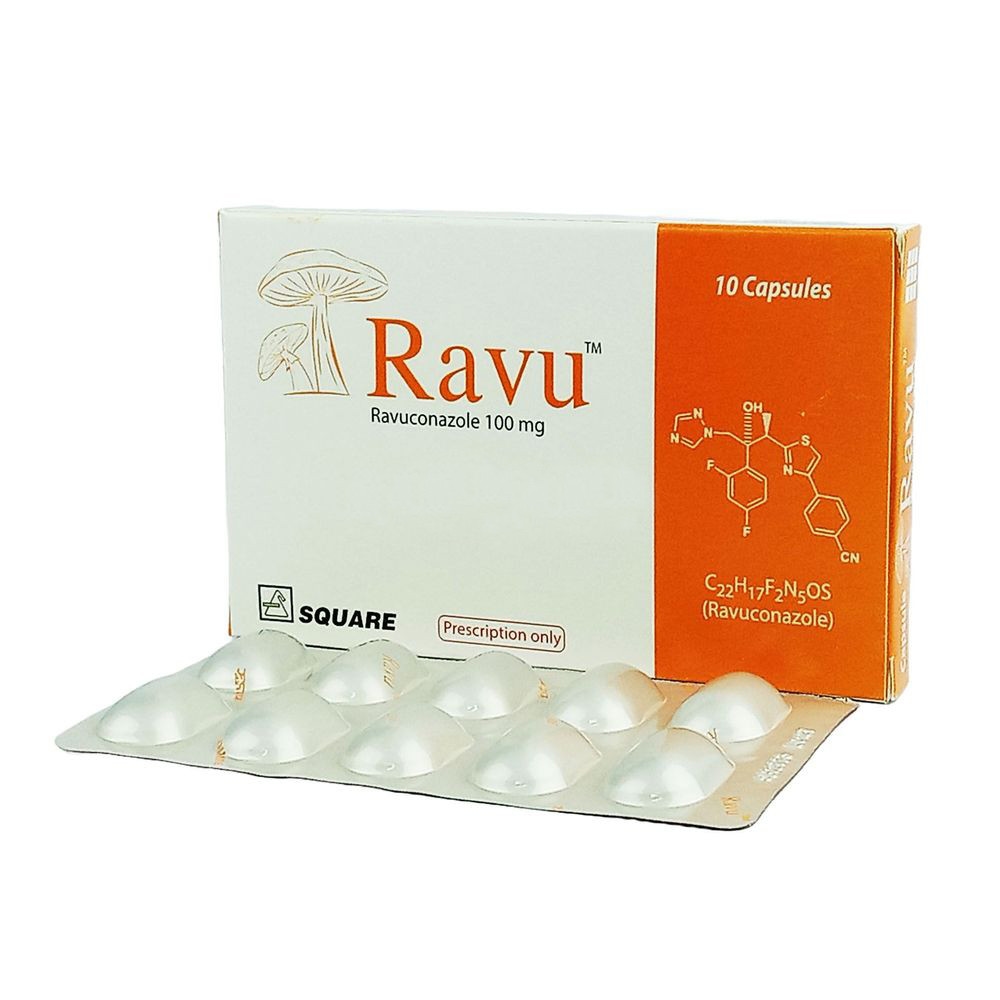
Generic medicine

Ravuconazole: Brands, Price & Uses in Bangladesh

Ravuconazole is a triazole antifungal agent that has been evaluated in clinical development for the treatment of fungal infections.

Forms:Capsule

About Ravuconazole

Indications of Ravuconazole

Ravuconazole is a triazole antifungal agent that has been evaluated in clinical development for the treatment of fungal infections. Its use should be classified by the strength of available evidence:

Investigated / studied uses (clinical trial evidence)

  • Onychomycosis (fungal infection of the finger or toe nails) caused by dermatophytes such as Trichophyton species — Ravuconazole and its related prodrug form have been studied in extended, intermittent oral regimens for this indication.
  • Esophageal and oropharyngeal candidiasis — studied in patients, including those with reduced immunity, as an alternative to other azole antifungals.
  • Invasive candidiasis and invasive aspergillosis — evaluated in comparative clinical trials against standard antifungal therapy in seriously ill or immunocompromised patients.

Important regulatory note

Ravuconazole has not received marketing approval from the US FDA, and its availability as a standalone marketed product should be confirmed with a physician or pharmacist before use. A closely related prodrug of Ravuconazole has gained regulatory approval in some countries specifically for onychomycosis. Ravuconazole should only be used under the direct supervision of a qualified physician, who will confirm whether it is an appropriate and available option for a given infection.

Dosage & Administration of Ravuconazole

There is no single, universally standardized approved dosing regimen for Ravuconazole in every market; the dose, frequency, and duration of Ravuconazole therapy must always be individualized and confirmed by the prescribing physician based on the specific infection being treated, the patient's organ function, and local product labeling.

Illustrative dosing explored in clinical studies (for physician reference only)

IndicationAdult dosing pattern studiedTypical duration
Esophageal/oropharyngeal candidiasisOral once-daily dosing, generally in the range of 100 mg to 200 mg per day, often with a higher loading dose on day oneApproximately 2–3 weeks, guided by clinical response
Invasive candidiasis / invasive aspergillosisHigher once-daily oral doses (individualized), sometimes with an initial loading regimenIndividualized; typically several weeks under specialist supervision
Onychomycosis (nail fungal infection)Extended intermittent (e.g., once-weekly) oral regimens have been studied, taking advantage of the long half-life of this drug classTypically 12 weeks or longer, per treating physician

Antimicrobial stewardship: Take Ravuconazole exactly as prescribed by your physician. Do not stop, extend, skip doses, change the dose, or share Ravuconazole with another person without medical advice, even if symptoms improve before the prescribed course is finished, as incomplete treatment can lead to relapse or drug-resistant fungal infection.

Side Effects of Ravuconazole

Most people tolerate Ravuconazole well, but as with other azole antifungals, side effects can occur.

Common

  • Nausea, vomiting, diarrhea, or abdominal discomfort
  • Headache
  • Mild, transient elevation of liver enzymes
  • Rash

Less common but clinically important

  • Significant liver enzyme elevation or, rarely, clinically apparent liver injury (see Precautions)
  • QT interval prolongation on ECG, which can rarely lead to serious heart rhythm disturbances, particularly if combined with other QT-prolonging drugs or in patients with existing heart rhythm risk factors
  • Allergic reactions, including rash, itching, or, rarely, severe hypersensitivity reactions

Patients should seek prompt medical attention for yellowing of the skin/eyes, severe abdominal pain, unusual tiredness, irregular heartbeat, fainting, or signs of a severe allergic reaction while taking Ravuconazole.

Contraindications of Ravuconazole

  • Known hypersensitivity to Ravuconazole or to any other azole antifungal agent (cross-sensitivity between azoles can occur).
  • Concurrent use with drugs that are highly dependent on CYP3A4 metabolism and for which elevated plasma concentrations are associated with serious or life-threatening effects, such as cisapride, pimozide, quinidine, and ergot alkaloids (e.g., ergotamine, dihydroergotamine); coadministration of Ravuconazole with these agents must be avoided.

Frequently Asked Questions about Ravuconazole

What is Ravuconazole used for?

Ravuconazole is a triazole antifungal medicine that has been studied for treating fungal infections such as nail fungal infections (onychomycosis), oral/esophageal fungal infections, and certain serious invasive fungal infections. Your physician will confirm whether Ravuconazole is the right choice for your specific infection.

How should I take Ravuconazole?

Take Ravuconazole exactly as prescribed by your physician, at the dose, frequency, and for the full duration instructed, even if you feel better before finishing the course. Do not stop, skip doses, or share Ravuconazole with anyone else.

What are the common side effects of Ravuconazole?

The most common side effects of Ravuconazole include nausea, diarrhea, abdominal discomfort, headache, and mild, temporary increases in liver enzymes. Contact your physician if side effects are severe or persistent.

Can Ravuconazole be taken during pregnancy?

Ravuconazole should be used in pregnancy only if clearly needed and only if your physician decides the benefit outweighs the potential risk to the baby, since data are limited and some azole antifungals carry signals of concern in pregnancy. Always consult your physician before taking Ravuconazole if you are pregnant or planning pregnancy.

Can Ravuconazole interact with other medicines?

Yes. Ravuconazole can interact significantly with other medicines processed by the liver enzyme CYP3A4, and with medicines that affect heart rhythm (QT interval). Always give your physician and pharmacist a complete list of everything you take before starting Ravuconazole.

What should I do if I miss a dose of Ravuconazole or think I have taken too much?

If you miss a dose of Ravuconazole, take it as soon as you remember unless it is close to the time of your next dose — do not double up. If you suspect you or someone else has taken too much Ravuconazole, seek immediate medical attention or contact a poison control center; do not try to treat an overdose of Ravuconazole at home.

Disclaimer

The information provided is accurate to the best of our knowledge, but it does not replace professional medical advice. We cannot guarantee its completeness or accuracy, and the absence of specific information about a drug should not be taken as an endorsement. We are not responsible for any consequences arising from this information, so please consult a healthcare professional for any concerns or questions.

DoctorBlogArticles