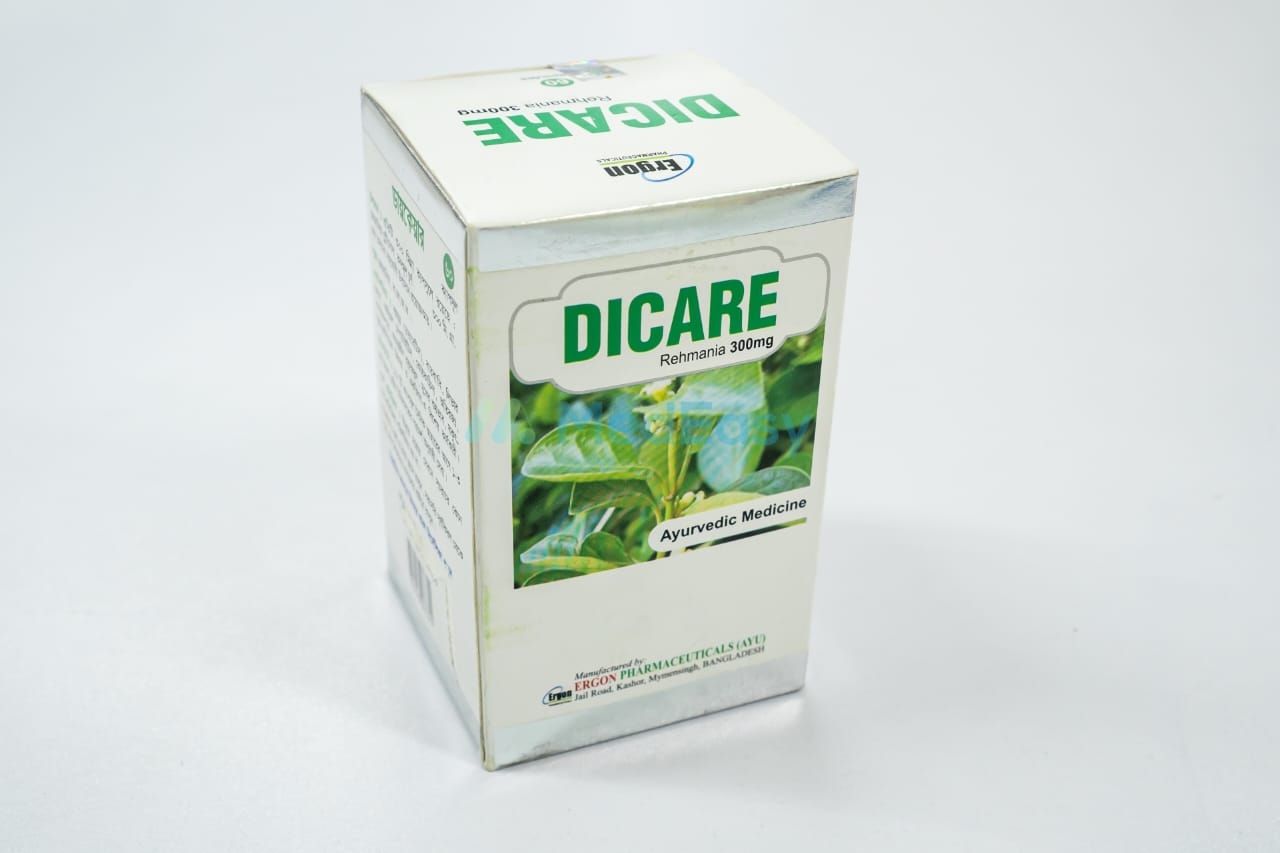
Generic medicine

Rehmania: Brands, Price & Uses in Bangladesh

Rehmania is a herbal supplement derived from the root of Rehmannia glutinosa , a plant long used in Traditional Chinese Medicine (TCM) and Ayurveda.

Forms:Capsule

About Rehmania

Indications of Rehmania

Rehmania is a herbal supplement derived from the root of Rehmannia glutinosa, a plant long used in Traditional Chinese Medicine (TCM) and Ayurveda. It is available in two traditionally distinguished forms — raw/dried root ("sheng di huang") and steamed/processed root ("shu di huang") — which are attributed different traditional properties.

  • Traditional/adjunct use (evidence-limited): Rehmania is traditionally used as an adjunct to support general vitality, as a "blood-nourishing" and "yin-tonifying" tonic, and to help manage symptoms such as fatigue and menstrual irregularities within traditional medicine frameworks.
  • No FDA-approved or guideline-supported medical indication: Rehmania is not an FDA-approved drug and has no indication recognized by modern clinical practice guidelines. Evidence from controlled human clinical trials is limited, and most supporting data come from traditional use, animal studies, or small/low-quality studies.
  • Not a substitute for medical evaluation: Rehmania should not be used in place of proper medical evaluation of the underlying cause of fatigue, menstrual irregularities, or any other symptom. Persistent or severe symptoms should be assessed by a physician.

Dosage & Administration of Rehmania

Because Rehmania is an herbal supplement rather than a standardized pharmaceutical product, dosing varies considerably between manufacturers, preparation forms (raw vs. processed root), and product formats (raw decoction, extract powder, capsule, or tablet). The information below reflects typical traditional/manufacturer ranges and is not a substitute for the specific product label.

FormTypical Traditional RangeNotes
Raw or processed dried root (decoction)Approximately 9–30 g of dried root per day, prepared as a decoction, often as part of a combination formulaTraditional dosing; varies by formula and practitioner
Standardized extract, capsule, or tabletPer manufacturer's product labelNo universally standardized dose of Rehmania extract exists; follow the specific product instructions

Always use Rehmania under the guidance of a qualified physician or licensed traditional medicine practitioner, and do not exceed the dose stated on the product label.

Side Effects of Rehmania

Rehmania is generally described as well tolerated in traditional use, but the following effects have been reported:

  • Gastrointestinal upset, including loose stools, diarrhea, or abdominal discomfort, particularly in individuals with pre-existing weak digestion (a traditionally recognized sensitivity to Rehmania)
  • Mild reduction in blood glucose in some individuals
  • Rare allergic/hypersensitivity reactions (e.g., skin rash, itching)

Because Rehmania is not subject to the same rigorous adverse-event reporting as conventional pharmaceuticals, the true frequency of side effects is not well established.

Contraindications of Rehmania

Rehmania is contraindicated in individuals with known hypersensitivity to Rehmania (Rehmannia glutinosa) or related plants of the Orobanchaceae/Scrophulariaceae family. Rehmania should also be avoided during pregnancy because of insufficient safety data (see Pregnancy and Lactation).

Frequently Asked Questions about Rehmania

What is Rehmania used for?

Rehmania is a herbal supplement traditionally used as an adjunct to support general vitality and as a "blood-nourishing" tonic, and traditionally to help with symptoms such as fatigue and menstrual irregularities. It is not FDA-approved, and modern clinical evidence for these uses is limited, so it should not replace medical evaluation of the underlying cause of such symptoms.

Is Rehmania safe to take during pregnancy?

Safety data on Rehmania in pregnancy are insufficient, so Rehmania should be avoided during pregnancy unless specifically recommended and supervised by a physician, as potential risks to the fetus cannot be excluded.

Can I take Rehmania if I have diabetes?

Rehmania may have a mild blood-glucose-lowering effect, so people with diabetes who are taking antidiabetic medication should use Rehmania only with medical guidance and should monitor their blood glucose closely, since combining Rehmania with these medications may increase the risk of hypoglycemia.

What are the side effects of Rehmania?

Rehmania is generally well tolerated in traditional use, but it can cause gastrointestinal upset such as loose stools, diarrhea, or abdominal discomfort, especially in people with weak digestion, mild lowering of blood glucose, and rarely allergic reactions such as skin rash or itching.

Who should not take Rehmania?

Rehmania should not be used by anyone with a known allergy or hypersensitivity to Rehmania or related plants, and should be avoided during pregnancy due to insufficient safety data. People with diarrhea or weak digestive function should use Rehmania with caution.

What should I do if I take too much Rehmania?

If you suspect you have taken more than the recommended amount of Rehmania, or experience severe symptoms, seek immediate medical attention or contact a poison control center or emergency services rather than trying to treat it at home.

Disclaimer

The information provided is accurate to the best of our knowledge, but it does not replace professional medical advice. We cannot guarantee its completeness or accuracy, and the absence of specific information about a drug should not be taken as an endorsement. We are not responsible for any consequences arising from this information, so please consult a healthcare professional for any concerns or questions.

DoctorBlogArticles