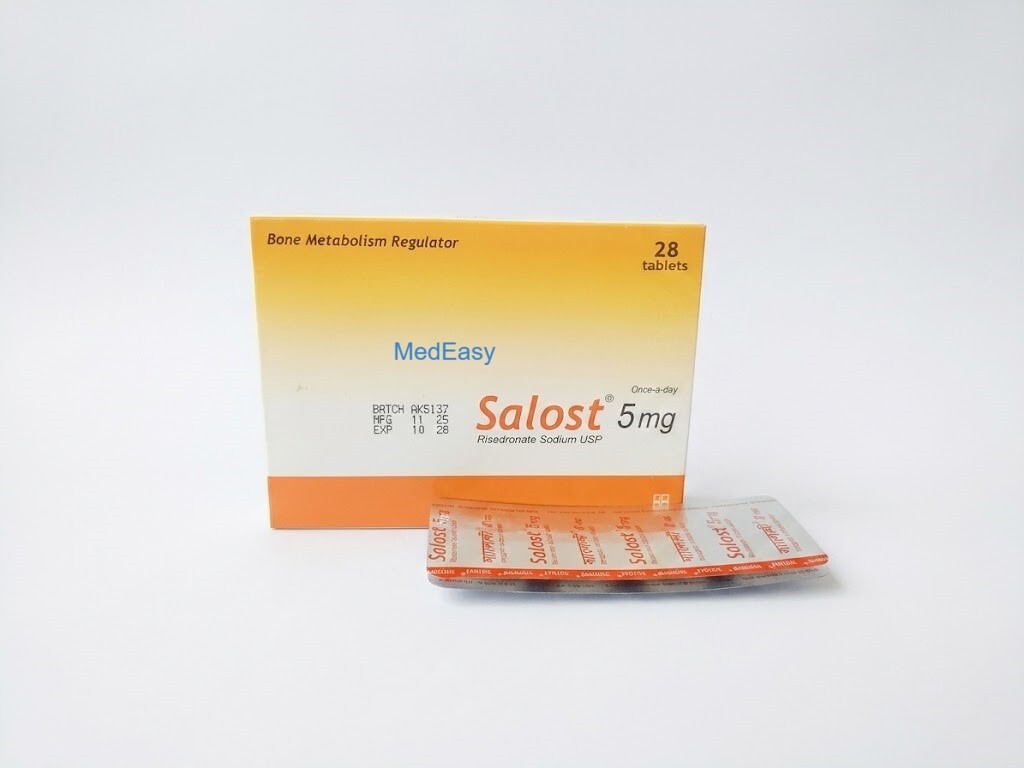
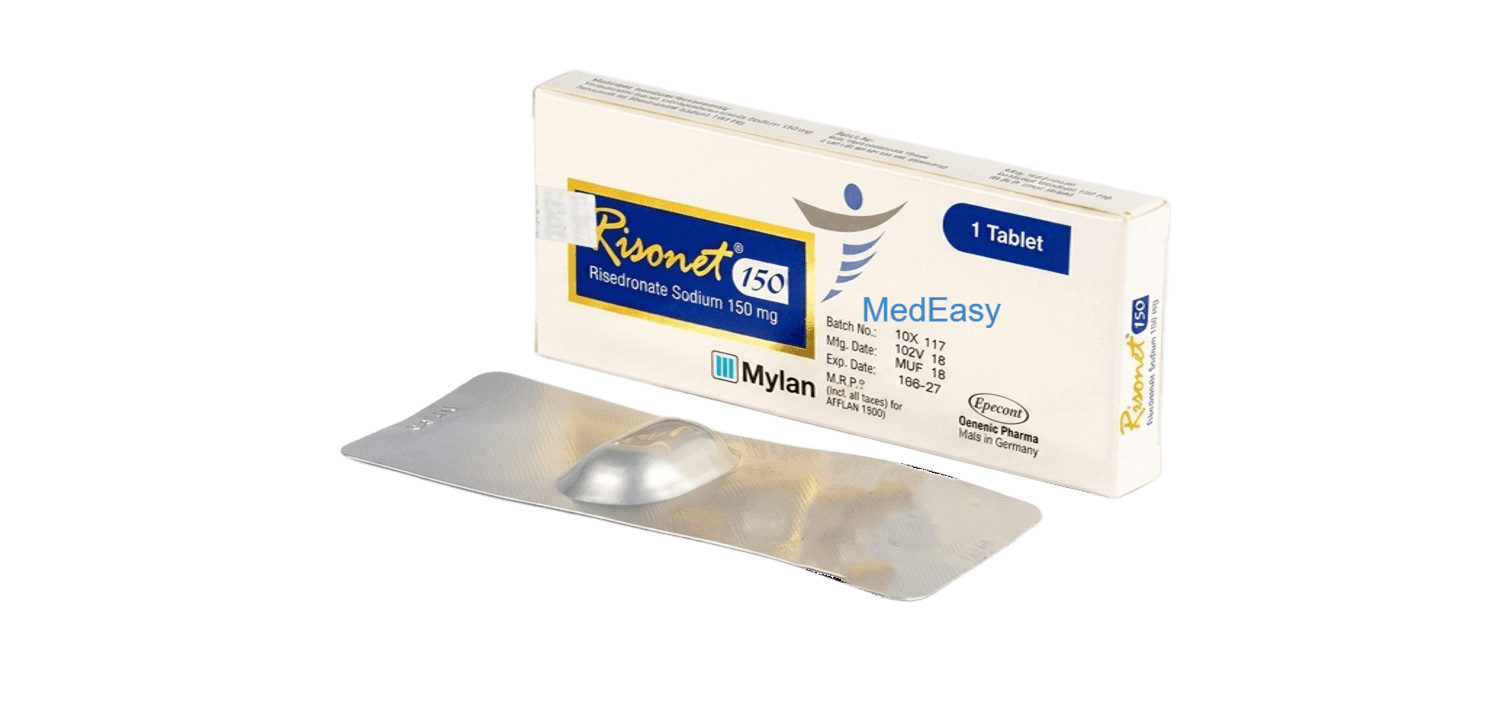
Generic medicine

Risedronate Sodium: Brands, Price & Uses in Bangladesh

Established / FDA-Approved Uses Treatment and prevention of postmenopausal osteoporosis - Risedronate Sodium reduces the risk of vertebral and hip fractures in postmenopausal women.

Forms:Tablet

About Risedronate Sodium

Indications of Risedronate Sodium

Established / FDA-Approved Uses

  • Treatment and prevention of postmenopausal osteoporosis - Risedronate Sodium reduces the risk of vertebral and hip fractures in postmenopausal women.
  • Treatment to increase bone mass in men with osteoporosis.
  • Prevention and treatment of glucocorticoid-induced osteoporosis in men and women initiating or continuing long-term (expected duration ≥3 months) systemic glucocorticoid therapy at a dose equivalent to ≥7.5 mg prednisone daily.
  • Treatment of Paget's disease of bone in men and women with moderate to severe disease.

Notes on Use

Risedronate Sodium is used as part of a comprehensive treatment plan that may include adequate calcium and vitamin D intake, weight-bearing exercise, and lifestyle modification (smoking cessation, limiting alcohol) as advised by the physician.

Dosage & Administration of Risedronate Sodium

Dosing by Indication

IndicationRegimen
Postmenopausal osteoporosis - treatment5 mg once daily, OR 35 mg once weekly, OR 150 mg once monthly
Postmenopausal osteoporosis - prevention5 mg once daily, OR 35 mg once weekly
Osteoporosis in men35 mg once weekly
Glucocorticoid-induced osteoporosis (prevention/treatment)5 mg once daily
Paget's disease of bone30 mg once daily for 2 months (retreatment may be considered after relapse, following physician re-evaluation)

Administration Instructions (Critical for Safety)

Risedronate Sodium tablets must be swallowed whole (not crushed or chewed) while the patient is in an upright position, taken:

  • On an empty stomach, first thing in the morning, at least 30 minutes before the first food, beverage (other than plain water), or other oral medication of the day.
  • With a full glass (approximately 120 mL) of plain water only - not mineral water, coffee, tea, juice, or milk, as these reduce absorption.
  • The patient must remain in an upright position (sitting or standing) for at least 30 minutes after taking the dose and must not lie down during this period, to reduce the risk of esophageal irritation or ulceration.

Adequate calcium and vitamin D intake should be ensured as advised by the physician, though calcium/mineral supplements themselves must not be taken within 30 minutes of Risedronate Sodium (see Interaction).

Side Effects of Risedronate Sodium

Common

  • Dyspepsia, abdominal pain, nausea
  • Musculoskeletal (bone, joint, or muscle) pain
  • Back pain
  • Headache

Less Common / Serious

  • Esophagitis, esophageal ulcer or erosion (related to not following administration instructions)
  • Osteonecrosis of the jaw (rare)
  • Atypical femur fractures (rare, with long-term use)
  • Hypocalcemia
  • Iritis/uveitis (rare eye inflammation)

Patients should seek medical attention for severe or persistent gastrointestinal symptoms, new hip/groin/thigh pain, or jaw pain/swelling while taking Risedronate Sodium.

Contraindications of Risedronate Sodium

  • Known hypersensitivity to Risedronate Sodium or any component of the formulation.
  • Hypocalcemia - must be corrected before starting Risedronate Sodium therapy.
  • Abnormalities of the esophagus that delay esophageal emptying, such as stricture or achalasia, due to the risk of esophageal irritation.
  • Inability to stand or sit upright for at least 30 minutes after taking the dose.
  • Severe renal impairment (creatinine clearance below approximately 30 mL/min).

Frequently Asked Questions about Risedronate Sodium

What is Risedronate Sodium used for?

Risedronate Sodium is used to treat and prevent postmenopausal osteoporosis, to treat osteoporosis in men, to prevent and treat glucocorticoid-induced osteoporosis, and to treat Paget's disease of bone.

How should I take Risedronate Sodium?

Take Risedronate Sodium first thing in the morning on an empty stomach with a full glass of plain water only, at least 30 minutes before any food, drink, or other medication. Remain sitting or standing upright for at least 30 minutes afterward and do not lie down, to avoid irritation of the esophagus.

Can I take calcium supplements with Risedronate Sodium?

No, calcium, magnesium, aluminum, or iron-containing products (including antacids) significantly reduce absorption of Risedronate Sodium. Take these at least 30 minutes after your Risedronate Sodium dose, or at a different time of day.

Who should not take Risedronate Sodium?

Risedronate Sodium should not be used by people with a known allergy to it, uncorrected low blood calcium (hypocalcemia), esophageal disorders that delay emptying (such as stricture or achalasia), anyone unable to stay upright for at least 30 minutes after dosing, or patients with severe kidney impairment.

What are the serious side effects of Risedronate Sodium?

Serious but rare side effects of Risedronate Sodium include esophageal irritation or ulceration, osteonecrosis of the jaw, and atypical femur fractures with long-term use. Report any difficulty or pain swallowing, chest pain, jaw pain or swelling, or unusual thigh/hip/groin pain to your physician promptly.

Is Risedronate Sodium safe during pregnancy or breastfeeding?

Risedronate Sodium is generally not indicated during pregnancy and should be used only if clearly needed, since it is not typically prescribed to women of childbearing age given its osteoporosis indication. It is not known whether Risedronate Sodium passes into breast milk, so a physician should be consulted regarding breastfeeding.

Disclaimer

The information provided is accurate to the best of our knowledge, but it does not replace professional medical advice. We cannot guarantee its completeness or accuracy, and the absence of specific information about a drug should not be taken as an endorsement. We are not responsible for any consequences arising from this information, so please consult a healthcare professional for any concerns or questions.
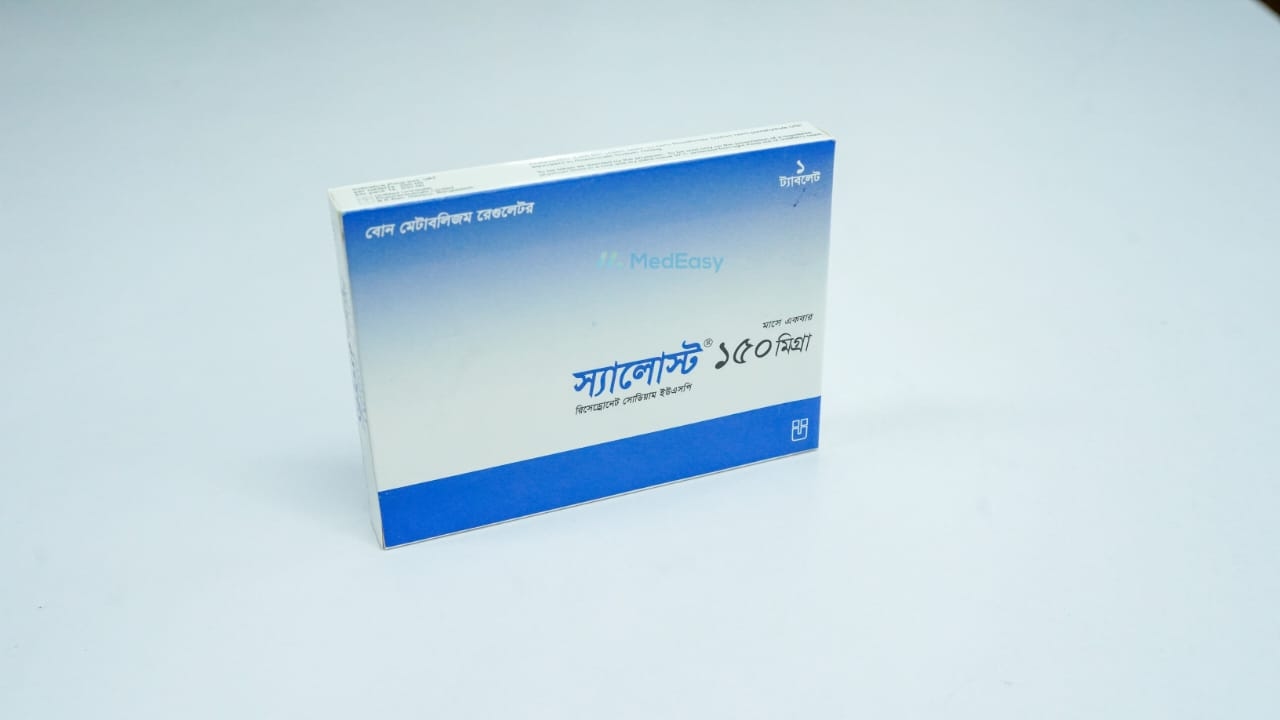
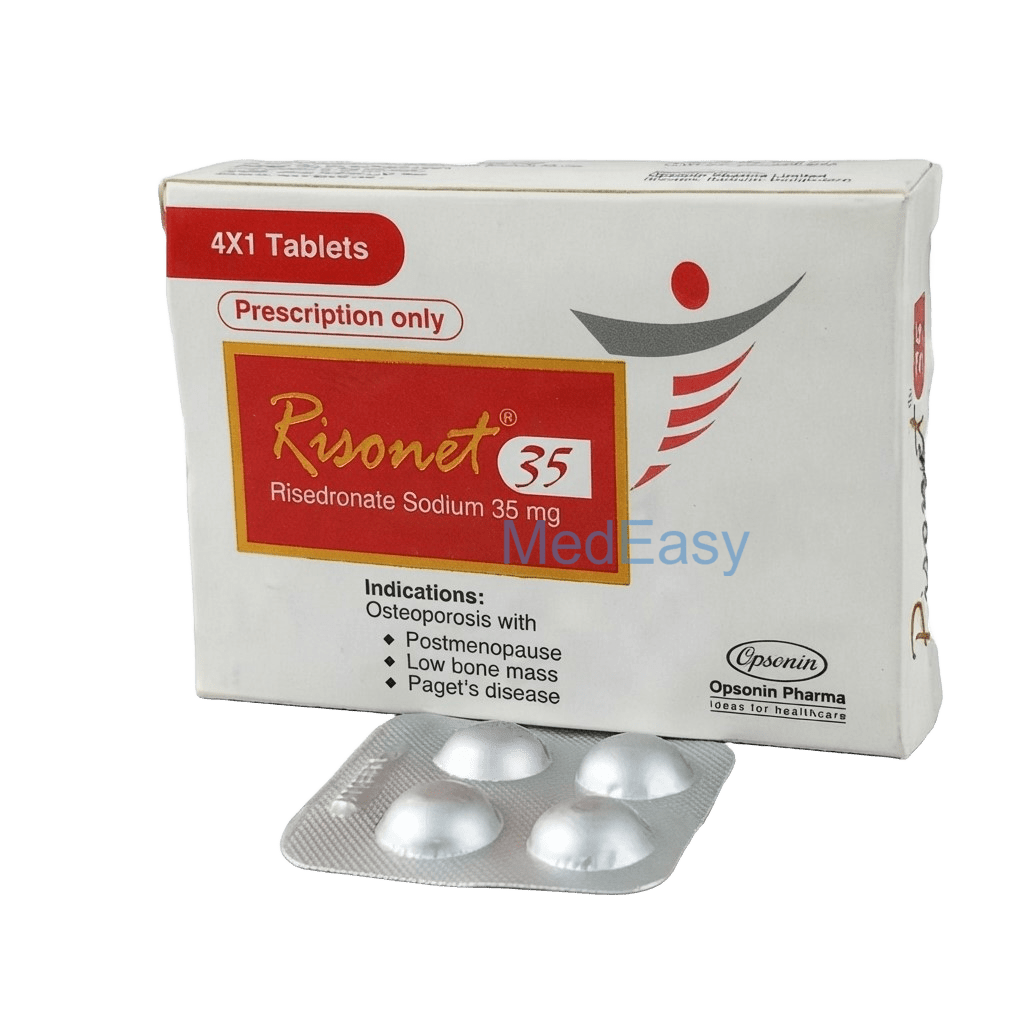
DoctorBlogArticles