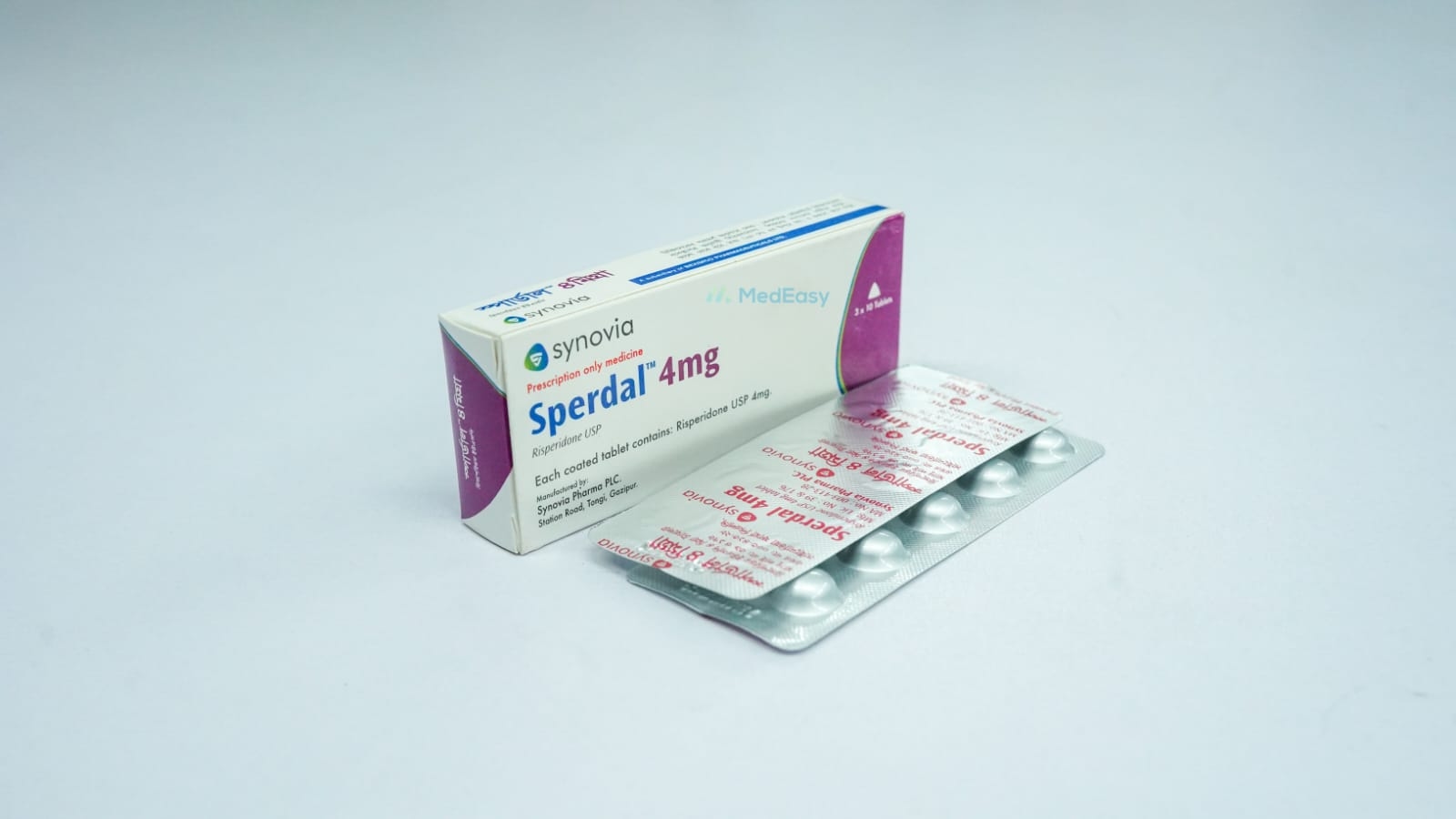
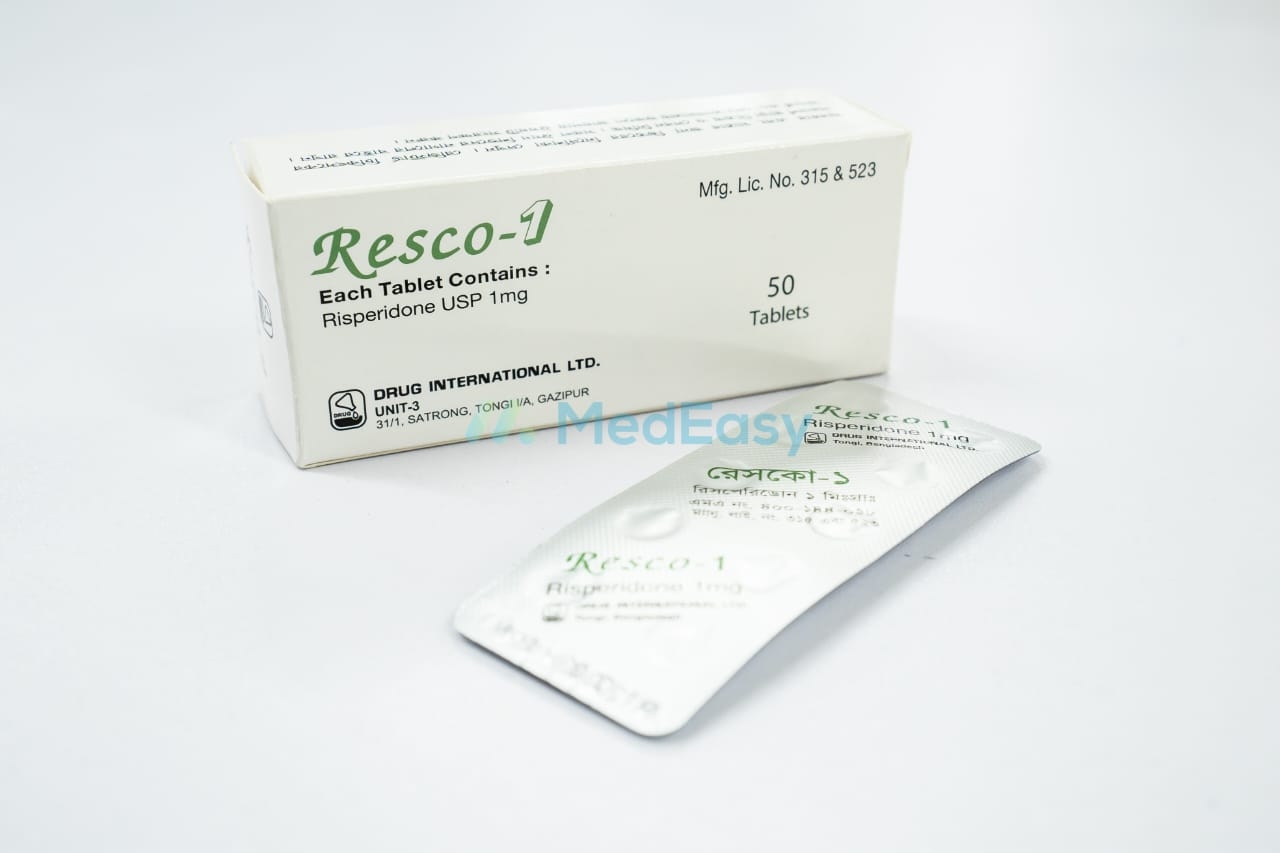
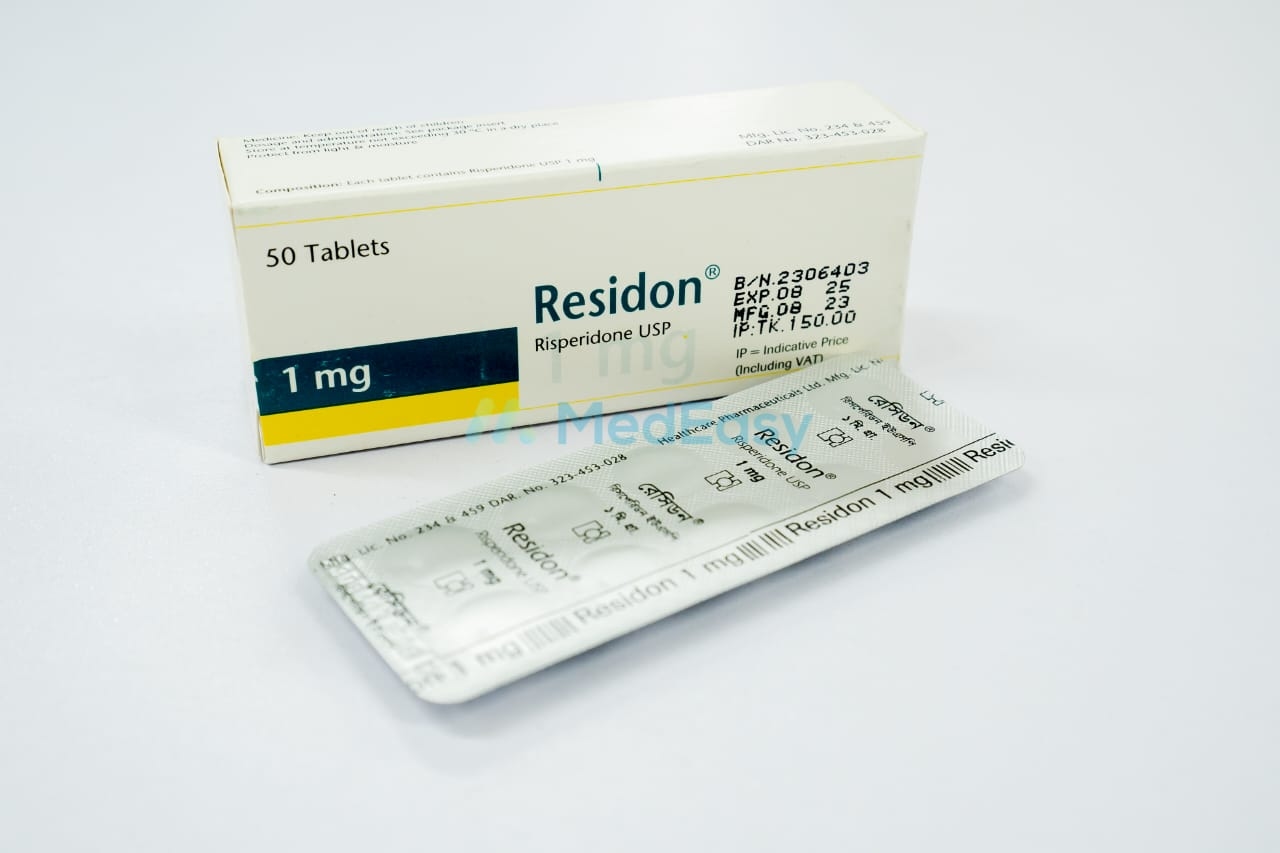
Generic medicine

Risperidone: Brands, Price & Uses in Bangladesh

Schizophrenia (Established) Risperidone is FDA-approved for the treatment of schizophrenia in adults and in adolescents aged 13 to 17 years.

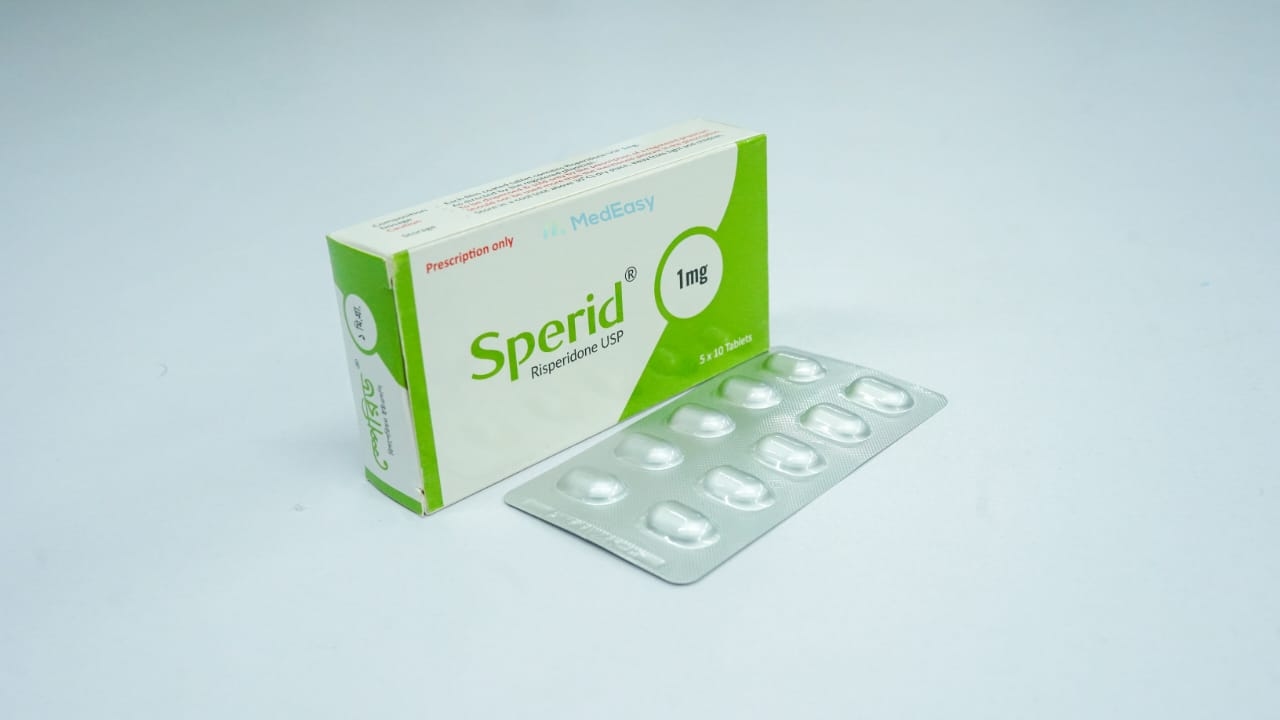
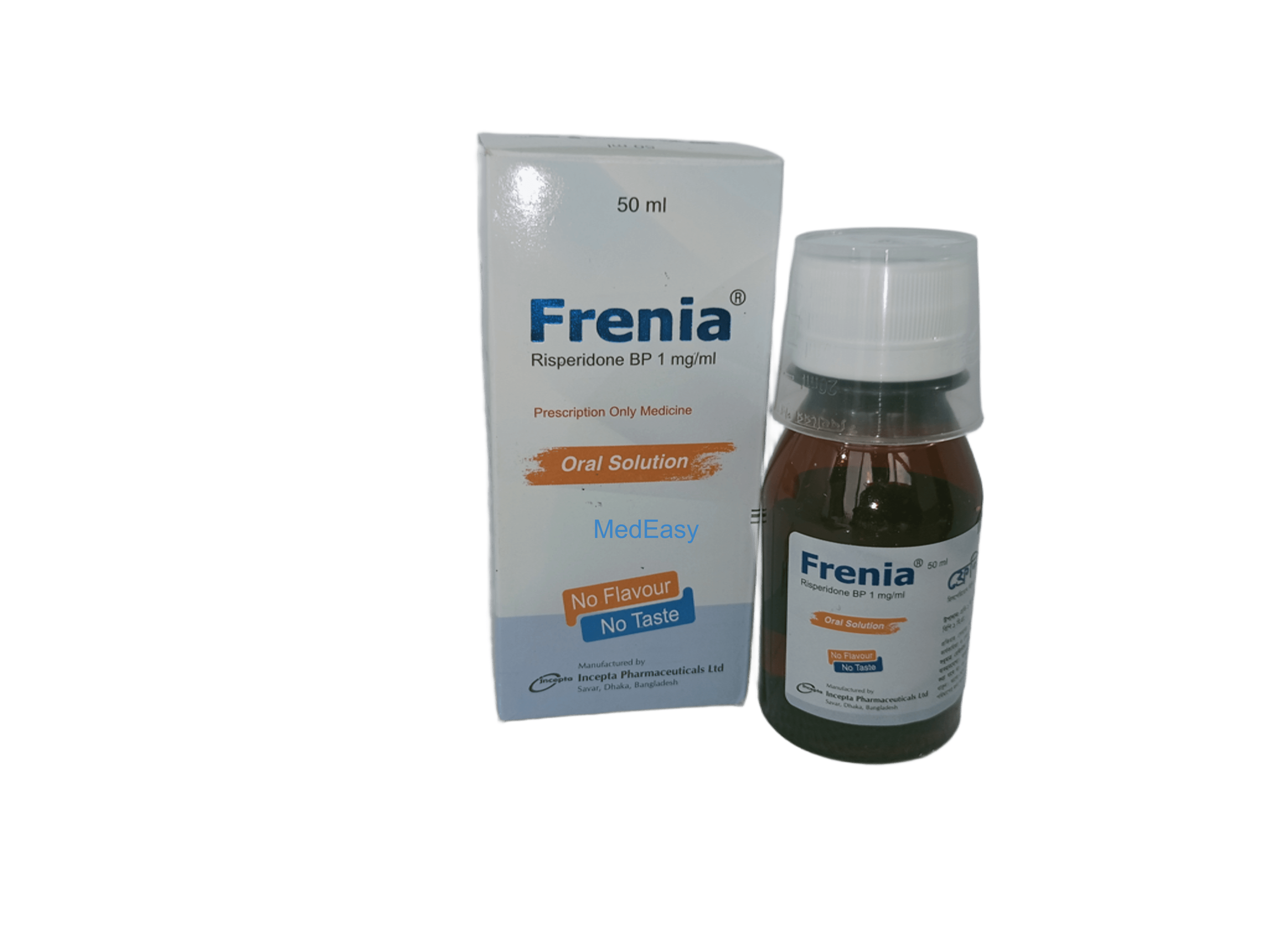
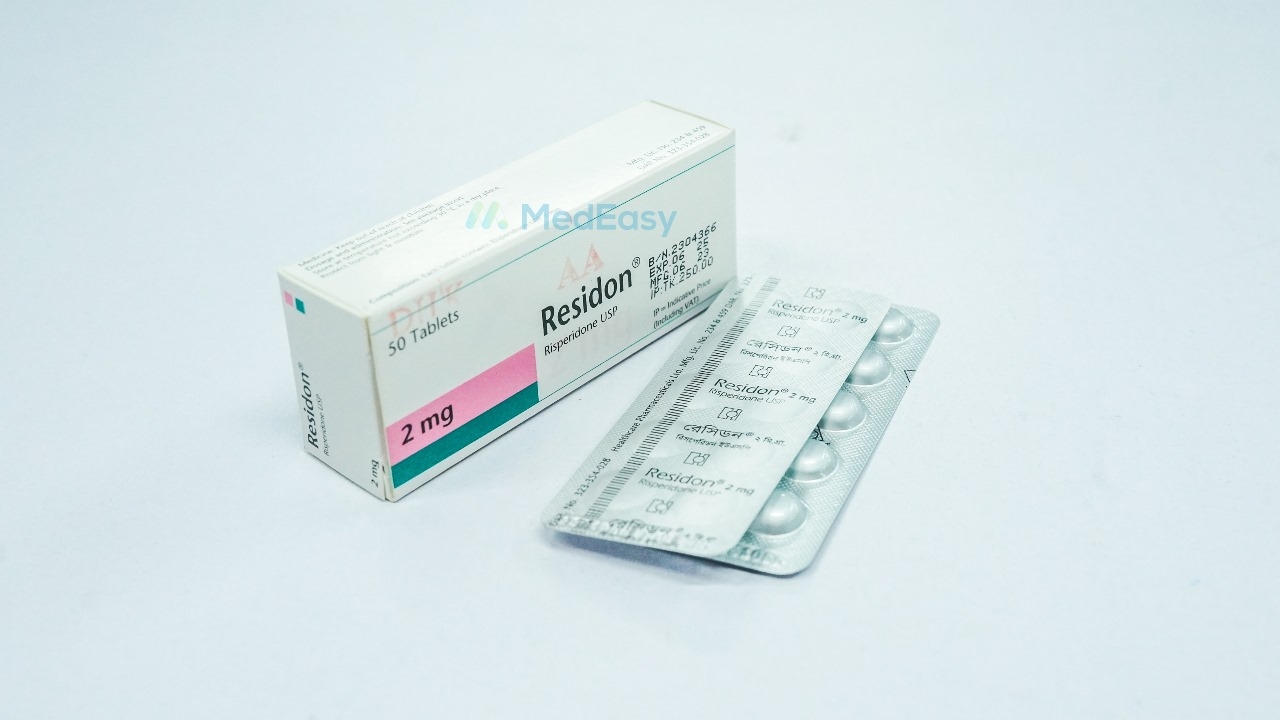
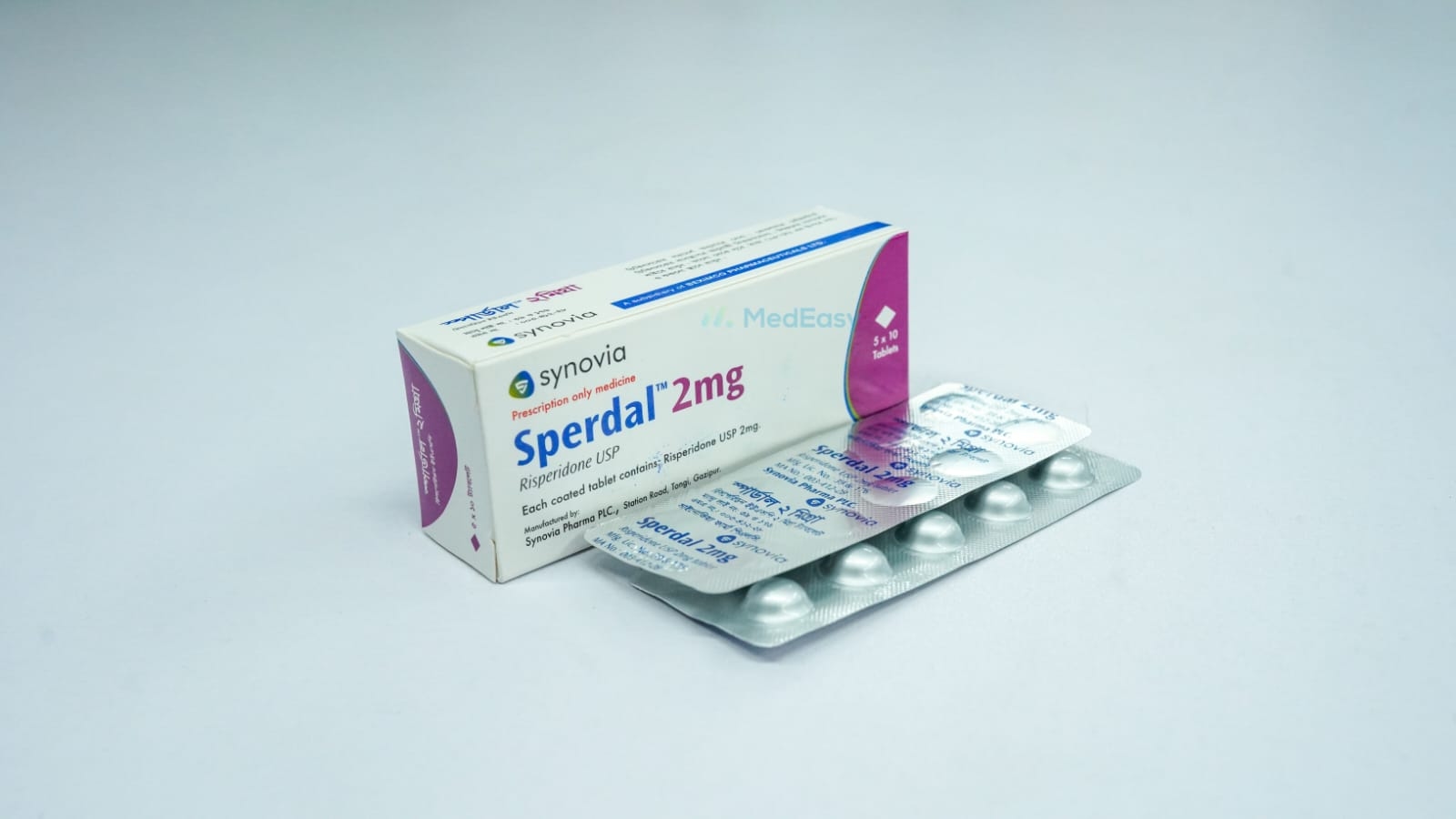
Forms:TabletOral Solution

About Risperidone

Indications of Risperidone

Schizophrenia (Established)

Risperidone is FDA-approved for the treatment of schizophrenia in adults and in adolescents aged 13 to 17 years.

Bipolar I Disorder – Acute Manic or Mixed Episodes (Established)

Risperidone is approved as monotherapy for acute manic or mixed episodes of Bipolar I Disorder in adults and in children and adolescents aged 10 to 17 years. Risperidone is also approved as adjunctive therapy with lithium or valproate for acute manic or mixed episodes of Bipolar I Disorder in adults (Adjunct use).

Irritability Associated with Autistic Disorder (Established)

Risperidone is approved for the treatment of irritability associated with autistic disorder (including symptoms such as aggression, self-injury, and severe tantrums) in children and adolescents aged 5 to 16 years.

Other Psychotic and Behavioral Disorders (Off-label)

Risperidone is sometimes used off-label, under specialist supervision, for other psychotic disorders and severe behavioral disturbances based on clinical judgement; such use of Risperidone is not an FDA-approved indication.

Dosage & Administration of Risperidone

The dose of Risperidone is individualized by indication, age group, and patient response, and must be determined and adjusted only by a qualified healthcare professional. The table below outlines typical starting doses, titration, and target/effective ranges for Risperidone; it is provided for general information and is not a substitute for a prescriber's instructions.

Side Effects of Risperidone

Common Side Effects

  • Somnolence/sedation with Risperidone
  • Dizziness
  • Headache
  • Akathisia (restlessness) and other extrapyramidal symptoms (tremor, stiffness)
  • Increased appetite and weight gain
  • Nausea, vomiting, constipation, or dry mouth
  • Fatigue
  • Anxiety or insomnia
  • Nasal congestion or upper respiratory symptoms

Serious Side Effects – Seek Medical Attention

  • Signs of Neuroleptic Malignant Syndrome (high fever, severe muscle stiffness, confusion, irregular heartbeat) associated with Risperidone – see Precautions and Warnings.
  • Uncontrollable, repetitive movements of the face, tongue, or body suggestive of tardive dyskinesia associated with Risperidone – see Precautions and Warnings.
  • Symptoms of high blood sugar (excessive thirst, frequent urination, unexplained fatigue) during Risperidone treatment – see Precautions and Warnings.
  • Fainting, severe dizziness, or a fast/irregular heartbeat.
  • Signs of a severe allergic reaction to Risperidone (rash, swelling of the face/throat, difficulty breathing).
  • Seizures.
  • Painful or prolonged erection (priapism).
  • Difficulty swallowing.
  • Unusual bruising, bleeding, or signs of infection.

Contraindications of Risperidone

Risperidone is contraindicated in patients with known hypersensitivity to Risperidone or to any component of the Risperidone formulation. No other absolute contraindication to Risperidone is established.

Frequently Asked Questions about Risperidone

What is Risperidone used for?

Risperidone is used to treat schizophrenia, acute manic or mixed episodes of Bipolar I Disorder, and irritability associated with autistic disorder, in specific adult and pediatric age groups.

What is the usual dose of Risperidone?

The dose of Risperidone varies by indication, age, and individual response; a healthcare professional determines the starting dose and titration schedule for Risperidone, which typically begins low and is increased gradually.

Can Risperidone be taken with other medicines?

Some medicines interact with Risperidone, including strong CYP2D6 inhibitors (such as fluoxetine and paroxetine), enzyme inducers (such as carbamazepine), CNS depressants, antihypertensives, and levodopa/dopamine agonists; always tell a healthcare professional about all medicines being taken before starting Risperidone.

Is Risperidone safe to use during pregnancy?

Risperidone should only be used during pregnancy if a healthcare professional determines the benefit outweighs the risk, since babies exposed to Risperidone in the third trimester may develop extrapyramidal or withdrawal symptoms after birth; discuss the risks and benefits of Risperidone with a doctor before or during pregnancy.

Can children take Risperidone?

Yes, Risperidone is approved for specific pediatric uses: schizophrenia in adolescents 13-17 years, bipolar mania in children/adolescents 10-17 years, and irritability associated with autistic disorder in children 5-16 years; Risperidone should only be given to a child under specialist medical supervision.

What are the common side effects of Risperidone?

Common side effects of Risperidone include drowsiness, dizziness, headache, weight gain, increased appetite, restlessness, and gastrointestinal upset.

What serious risks are associated with Risperidone?

Serious risks of Risperidone include Neuroleptic Malignant Syndrome, tardive dyskinesia, metabolic changes (weight gain, high blood sugar, abnormal cholesterol), elevated prolactin, and, in elderly patients with dementia-related psychosis, an increased risk of death; Risperidone is not approved for that population.

What should be done if a dose of Risperidone is missed?

If a dose of Risperidone is missed, take the missed dose of Risperidone as soon as remembered unless it is nearly time for the next dose, in which case the missed dose of Risperidone should be skipped; do not take a double dose of Risperidone.

Can Risperidone be stopped suddenly?

Risperidone should not be stopped suddenly without medical advice, as abruptly stopping Risperidone can cause symptoms to return or cause withdrawal-type effects; any change in Risperidone treatment should be guided by a healthcare professional.

Disclaimer

The information provided is accurate to the best of our knowledge, but it does not replace professional medical advice. We cannot guarantee its completeness or accuracy, and the absence of specific information about a drug should not be taken as an endorsement. We are not responsible for any consequences arising from this information, so please consult a healthcare professional for any concerns or questions.
DoctorBlogArticles