8% Off
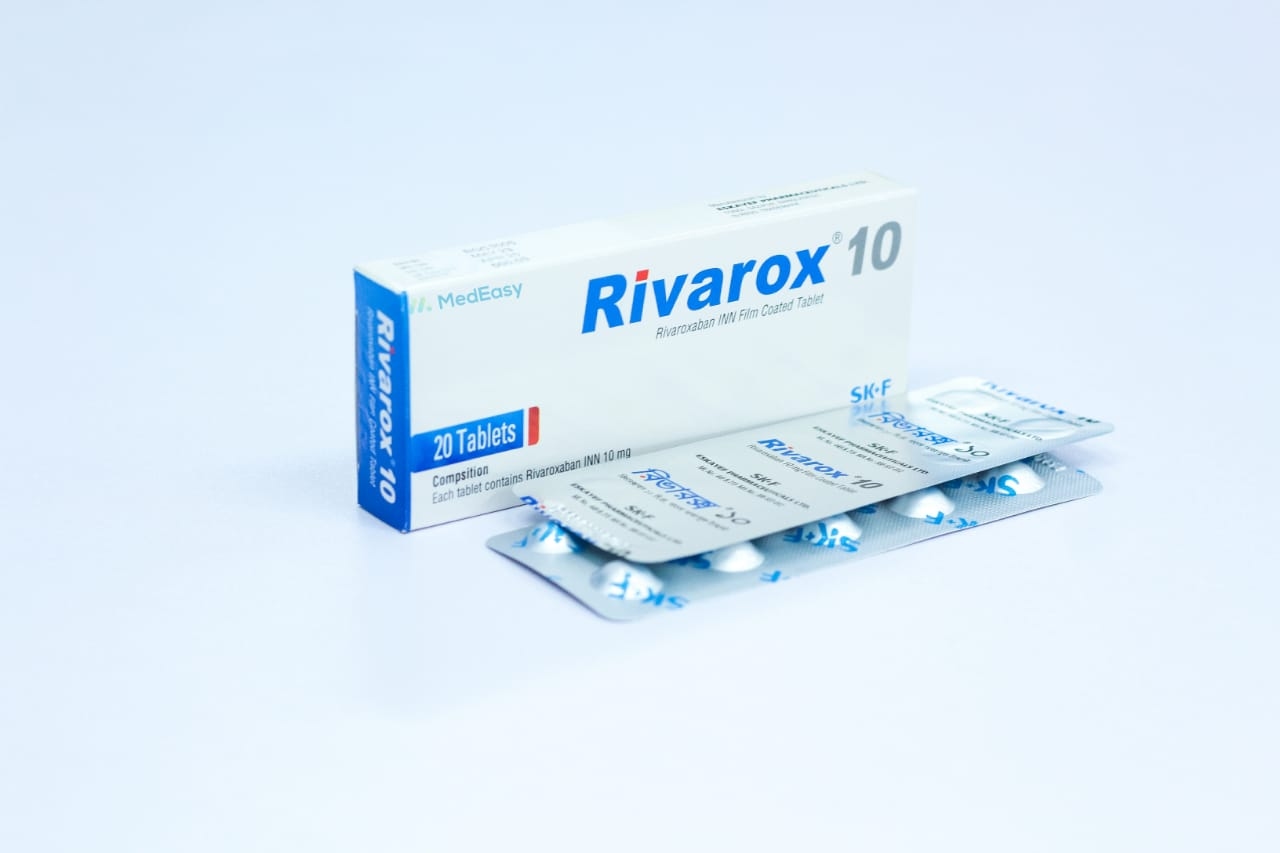
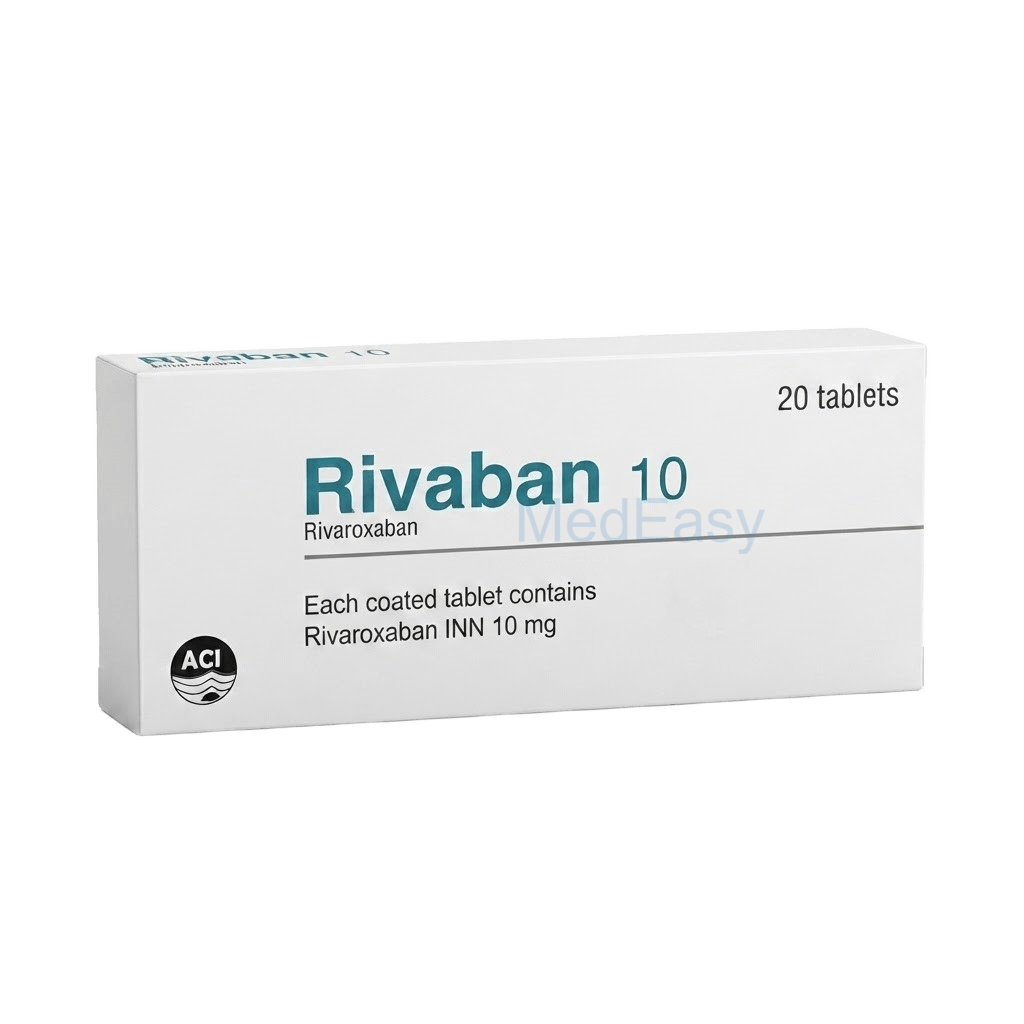
Rivarox2.5 mg
Eskayef Bangladesh Ltd.
৳73.60
Add to cart
Rivaroxaban is a direct-acting oral anticoagulant (a Factor Xa inhibitor) approved for the following indications: FDA-approved indications Reduction of risk of stroke and systemic embolism in…
Rivaroxaban is a direct-acting oral anticoagulant (a Factor Xa inhibitor) approved for the following indications:
Use of Rivaroxaban for any indication should be guided by a qualified physician based on individual risk assessment.
| Indication | Recommended Dose |
|---|---|
| Stroke/systemic embolism prevention in non-valvular atrial fibrillation | 20 mg once daily with the evening meal; 15 mg once daily if creatinine clearance (CrCl) is 15-50 mL/min |
| Treatment of DVT/PE | 15 mg twice daily with food for the first 21 days, then 20 mg once daily with food for the remaining treatment duration |
| Reduction in risk of recurrent DVT/PE (after ≥6 months treatment) | 10 mg once daily; 20 mg once daily may be considered in patients at high risk of recurrence |
| DVT prophylaxis after hip replacement surgery | 10 mg once daily for 35 days, starting 6-10 hours after surgery |
| DVT prophylaxis after knee replacement surgery | 10 mg once daily for 12 days, starting 6-10 hours after surgery |
| VTE prophylaxis in acutely ill medical patients | 10 mg once daily for 31-39 days |
| Chronic CAD or PAD (with low-dose aspirin 75-100 mg/day) | 2.5 mg twice daily |
Dose adjustment or avoidance of Rivaroxaban is required depending on indication and creatinine clearance (CrCl); see the table above. Use is generally avoided when CrCl is below 15 mL/min due to lack of clinical data. Renal function should be assessed before starting Rivaroxaban and monitored periodically, especially in elderly or renally impaired patients.
Rivaroxaban is not recommended in patients with moderate (Child-Pugh B) or severe (Child-Pugh C) hepatic impairment, or any hepatic disease associated with coagulopathy, due to increased bleeding risk.
If a dose of Rivaroxaban is missed, it should be taken as soon as possible on the same day; the missed dose should not be doubled the next day. Patients should consult their physician if unsure.
Patients taking Rivaroxaban should seek immediate medical attention for signs of serious bleeding (unusual bruising, pink/brown urine, red/black stools, coughing or vomiting blood, severe headache, dizziness, or weakness).
Renal impairment, concurrent use with other anticoagulants, and other bleeding-risk conditions are important precautions for Rivaroxaban rather than absolute contraindications — see Precautions and Warnings.
Disclaimer
The information provided is accurate to the best of our knowledge, but it does not replace professional medical advice. We cannot guarantee its completeness or accuracy, and the absence of specific information about a drug should not be taken as an endorsement. We are not responsible for any consequences arising from this information, so please consult a healthcare professional for any concerns or questions.