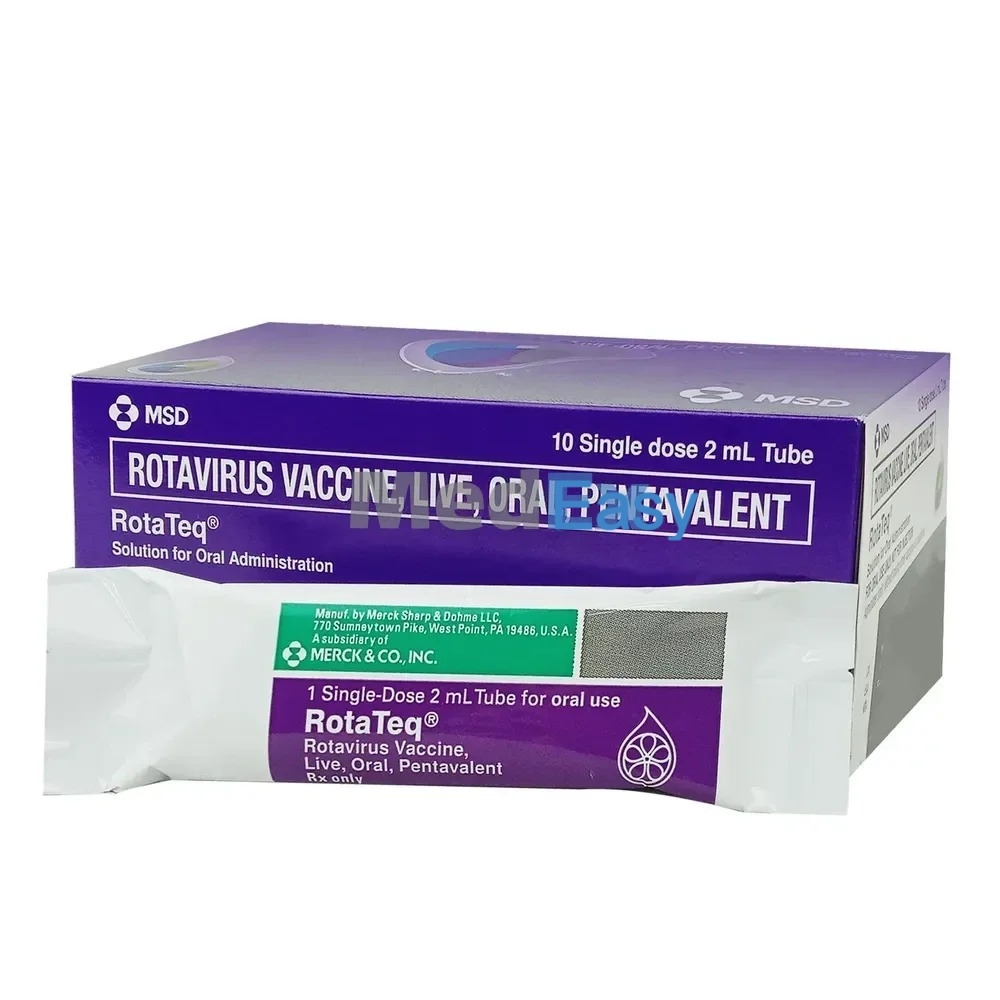
Generic medicine

Rotavirus Vaccine: Brands, Price & Uses in Bangladesh

Rotavirus Vaccine is a live, orally administered vaccine indicated for the active immunization of infants for the prevention of gastroenteritis caused by rotavirus.

Forms:Oral Suspension

About Rotavirus Vaccine

Indications of Rotavirus Vaccine

Rotavirus Vaccine is a live, orally administered vaccine indicated for the active immunization of infants for the prevention of gastroenteritis caused by rotavirus. This is an established, guideline-supported preventive (prophylactic) use and is part of the routine childhood immunization schedule recommended by the WHO, national Expanded Programme on Immunization (EPI) schedules (including Bangladesh's EPI), and pediatric bodies such as the American Academy of Pediatrics (AAP).

  • Established/approved use: Prevention of rotavirus gastroenteritis (a common cause of severe, dehydrating diarrhea in infants and young children) when given as a complete series within the recommended age windows.

Rotavirus Vaccine is a preventive vaccine only — it is not used to treat an infant who already has rotavirus gastroenteritis, and it does not protect against diarrhea caused by other organisms.

Dosage & Administration of Rotavirus Vaccine

Product typeNumber of dosesTypical schedule
2-dose oral series2 dosesFirst dose at 2 months of age, second dose at 4 months of age (minimum 4 weeks apart)
3-dose oral series3 dosesDoses at 2, 4, and 6 months of age (minimum 4 weeks apart)

Age windows (apply to all products of Rotavirus Vaccine):

  • Minimum age for the first dose: 6 weeks.
  • Maximum age for the first dose: 14 weeks 6 days — the first dose should not be given at or after 15 weeks of age.
  • Maximum age for any dose (series completion): 8 months 0 days — doses should not be given after this age.
  • Doses must be separated by an interval of at least 4 weeks.

Doses of Rotavirus Vaccine given outside these labeled age windows are not recommended and catch-up dosing beyond the maximum age should not be attempted, due to data suggesting a higher risk of intussusception with later administration. Rotavirus Vaccine can generally be co-administered with other routine childhood vaccines (e.g. DTaP, inactivated poliovirus vaccine, Hib, hepatitis B, pneumococcal conjugate vaccine) at the same visit.

Side Effects of Rotavirus Vaccine

Most infants tolerate Rotavirus Vaccine well. Reported side effects include:

  • Common: Irritability/fussiness, mild transient diarrhea, vomiting, and low-grade fever.
  • Uncommon: Abdominal discomfort, decreased appetite.
  • Rare but serious: Intussusception — a small increased risk has been observed with rotavirus vaccines, occurring primarily within about one week after the first or second dose (see Precautions and Warnings for warning signs).

Contraindications of Rotavirus Vaccine

Rotavirus Vaccine is contraindicated in infants with any of the following:

  • A history of a severe allergic reaction (e.g. anaphylaxis) after a previous dose of Rotavirus Vaccine or to any component of the vaccine.
  • A history of intussusception (a type of bowel obstruction).
  • Severe Combined Immunodeficiency (SCID) — as a live vaccine, Rotavirus Vaccine poses a specific risk of prolonged vaccine-virus shedding and gastroenteritis in infants with this immunodeficiency.
  • Uncorrected congenital malformation of the gastrointestinal tract (e.g. Meckel diverticulum) that would predispose the infant to intussusception.

Frequently Asked Questions about Rotavirus Vaccine

What is Rotavirus Vaccine used for?

Rotavirus Vaccine is given to infants to help prevent severe diarrheal illness (gastroenteritis) caused by rotavirus, a common and sometimes serious infection in young children.

When should my baby receive Rotavirus Vaccine?

The first dose of Rotavirus Vaccine should be given between 6 weeks and 14 weeks 6 days of age. Depending on the product, 2 or 3 doses are given, each at least 4 weeks apart, with the full series completed before the baby turns 8 months old. Doses should not be started or completed outside these age limits.

Is Rotavirus Vaccine safe? What side effects can occur?

Most infants tolerate Rotavirus Vaccine well, with mild fussiness, transient diarrhea, vomiting, or low-grade fever being the most common effects. There is a small increased risk of intussusception (a bowel problem), mainly in the week after the first or second dose — seek urgent medical care if your baby develops severe abdominal pain/crying, repeated vomiting, blood in the stool, or unusual lethargy.

What if we miss a dose of Rotavirus Vaccine or are running late?

Try to keep doses of Rotavirus Vaccine on schedule, spaced at least 4 weeks apart. However, no dose of Rotavirus Vaccine should be given after 8 months 0 days of age; if the schedule falls outside the labeled age windows, discuss with your physician — catch-up dosing beyond the maximum age is not recommended.

Can Rotavirus Vaccine be given if my baby has a mild cold?

Mild illness without fever is generally not a reason to delay Rotavirus Vaccine. If your baby has a moderate-to-severe illness, especially significant vomiting or diarrhea, your physician may recommend postponing the dose until your baby recovers.

Does my baby need to avoid other people after getting Rotavirus Vaccine?

Because Rotavirus Vaccine is a live oral vaccine, your baby may shed vaccine virus in the stool for some time afterward. Everyday precautions such as thorough handwashing after diaper changes are recommended, particularly around anyone with a weakened immune system.

Disclaimer

The information provided is accurate to the best of our knowledge, but it does not replace professional medical advice. We cannot guarantee its completeness or accuracy, and the absence of specific information about a drug should not be taken as an endorsement. We are not responsible for any consequences arising from this information, so please consult a healthcare professional for any concerns or questions.

DoctorBlogArticles