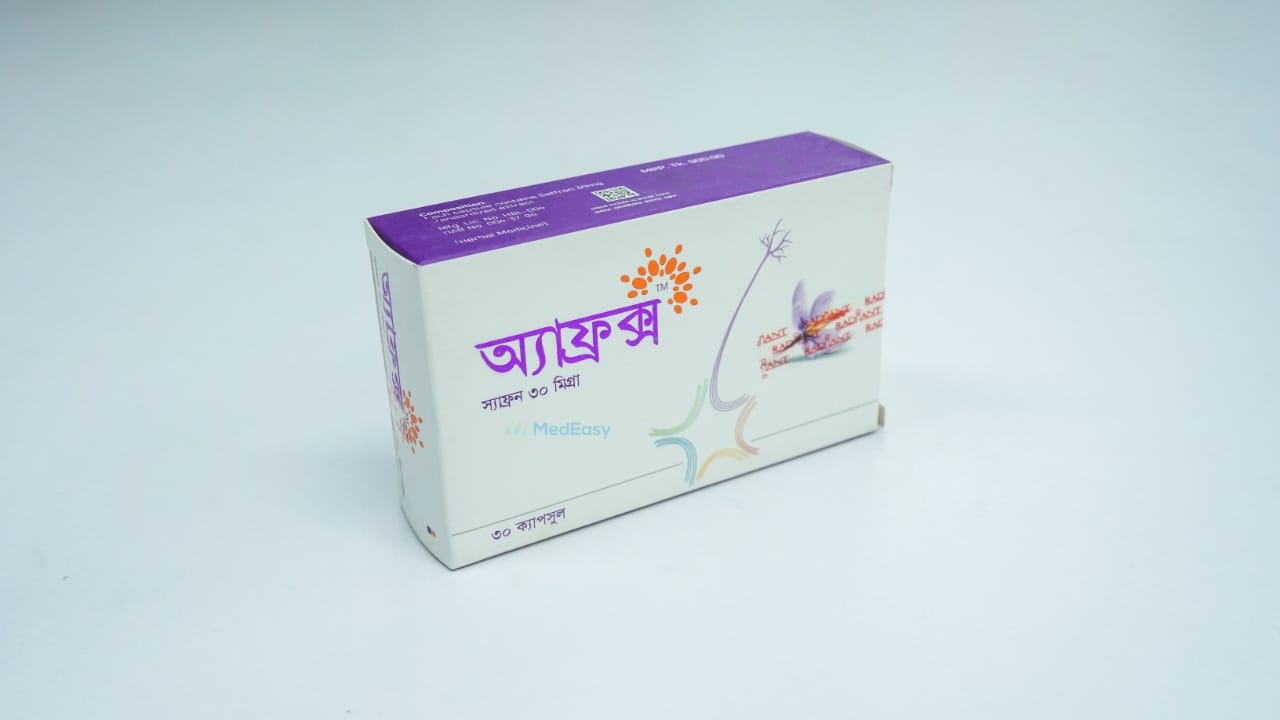
Generic medicine

Saffron: Brands, Price & Uses in Bangladesh

Saffron is a herbal/dietary supplement derived from the dried stigmas of the Crocus sativus plant.

Forms:Capsule

About Saffron

Indications of Saffron

Saffron is a herbal/dietary supplement derived from the dried stigmas of the Crocus sativus plant. It is not an FDA-approved drug; it is marketed as a dietary supplement, and indications below reflect traditional use and preliminary/modest clinical evidence rather than proven drug efficacy.

  • Adjunct mood/emotional wellbeing support: Standardized Saffron extract has been studied in small clinical trials as an adjunct for mild depressive symptoms and general mood support. Evidence is preliminary and modest; Saffron is not a substitute for evaluation and treatment of clinical depression or other diagnosed mood disorders by a qualified physician or mental health professional.
  • Traditional culinary and flavoring use: Saffron is widely and safely used in food as a spice, coloring, and flavoring agent at typical culinary amounts.
  • Off-label/investigational interest: Some preliminary research has explored Saffron for premenstrual symptoms, mild anxiety, and as an antioxidant; this evidence is limited and not sufficient to support a formal medical indication.

Anyone with persistent, worsening, or severe mood symptoms, or with thoughts of self-harm, should seek urgent professional medical evaluation rather than relying on Saffron alone.

Dosage & Administration of Saffron

Adult Dose (Mood/Wellbeing Support)

UseTypical Adult DoseNotes
Adjunct mood/emotional wellbeing supportStandardized Saffron extract 15 mg twice daily (total 30 mg/day), or as directed on the product labelEffects, if any, are typically assessed after 4-8 weeks of regular use; not a rapid-acting product
General wellbeing/antioxidant supplement useAs directed on product labeling, generally 15-30 mg/day of standardized extractFollow the specific product's labeled dose; standardization varies by brand

Pediatric Dose

Safety and efficacy of Saffron supplements have not been established in children; pediatric use is not recommended without specific medical guidance (see Use in Special Populations).

Renal/Hepatic Impairment

No well-established dose adjustment has been defined for renal or hepatic impairment; such patients should use Saffron supplements only after consulting a physician.

Side Effects of Saffron

At typical supplement doses, Saffron is generally well tolerated. Reported side effects are usually mild and include:

  • Dry mouth
  • Nausea or mild gastrointestinal upset
  • Dizziness
  • Headache
  • Changes in appetite
  • Mild anxiety or restlessness (uncommon)

At high or concentrated doses (well above typical supplement/culinary amounts), more significant effects such as low blood pressure, sedation, or (rarely, at very high doses) more serious toxicity have been reported; stay within labeled supplement doses.

Contraindications of Saffron

Saffron is contraindicated in individuals with known hypersensitivity to Saffron (Crocus sativus) or any component of the formulation. No other well-established absolute contraindications exist for Saffron at typical supplement doses; see Pregnancy and Lactation for pregnancy-specific caution regarding concentrated/high-dose supplement use.

Frequently Asked Questions about Saffron

What is Saffron used for?

Saffron is a dietary supplement derived from Crocus sativus stigma, most studied as an adjunct for mild depressive symptoms and general mood support, alongside its traditional culinary use as a spice. It is not a proven treatment for clinical depression and should not replace professional care.

Can Saffron replace my prescribed antidepressant?

No. Saffron is not a substitute for prescribed antidepressant therapy or professional treatment in diagnosed depression or other mood disorders. Do not stop or change a prescribed psychiatric medication without consulting your physician.

Is Saffron safe during pregnancy?

Typical culinary amounts are generally considered acceptable, but concentrated Saffron supplement doses should be avoided during pregnancy because high doses have a traditional uterine-stimulant reputation. Use Saffron supplements in pregnancy only if a physician determines the benefit outweighs the risk.

What are the common side effects of Saffron?

At typical supplement doses, Saffron is generally well tolerated; possible mild side effects include dry mouth, nausea, dizziness, headache, and appetite changes. Seek medical advice if you experience unusual bleeding, severe dizziness, or allergic reactions.

Can I take Saffron with my blood thinner or blood pressure medicine?

Use caution. Saffron may have mild antiplatelet and blood-pressure-lowering effects, so combining it with anticoagulant/antiplatelet drugs or antihypertensives could theoretically increase bleeding or low blood pressure risk. Discuss with your physician or pharmacist first.

What should I do if I think I've taken too much Saffron?

Seek immediate medical attention or contact a poison control center or emergency services. Do not attempt to manage a suspected Saffron overdose at home, and do not exceed the dose stated on the product label.

Disclaimer

The information provided is accurate to the best of our knowledge, but it does not replace professional medical advice. We cannot guarantee its completeness or accuracy, and the absence of specific information about a drug should not be taken as an endorsement. We are not responsible for any consequences arising from this information, so please consult a healthcare professional for any concerns or questions.

DoctorBlogArticles