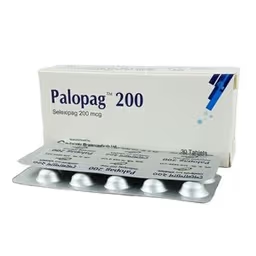
Generic medicine

Selexipag: Brands, Price & Uses in Bangladesh

Selexipag is indicated for the treatment of pulmonary arterial hypertension (PAH, WHO Group I) to delay disease progression and reduce the risk of hospitalization for PAH.

Forms:Tablet

About Selexipag

Indications of Selexipag

Selexipag is indicated for the treatment of pulmonary arterial hypertension (PAH, WHO Group I) to delay disease progression and reduce the risk of hospitalization for PAH.

  • Established/approved use: Long-term treatment of PAH to slow worsening of disease and lower the risk of PAH-related hospitalization.
  • Combination therapy: Selexipag is commonly used as part of combination therapy with other PAH-specific medicines (e.g. endothelin receptor antagonists and/or phosphodiesterase-5 inhibitors), and clinical evidence for delaying disease progression is strongest when used in this combined approach; it may also be used as monotherapy in appropriate patients.
  • Evidence base: Efficacy is supported by a large randomized controlled trial (event-driven, long-term outcome study) in patients with PAH, including idiopathic/heritable PAH and PAH associated with connective tissue disease.
  • Selexipag is not approved for and should not be used in other forms of pulmonary hypertension (e.g. pulmonary hypertension due to left heart disease, lung disease, or chronic thromboembolic disease) outside of WHO Group I PAH.

Dosage & Administration of Selexipag

Adult Dosing (Pulmonary Arterial Hypertension)

StepDoseNotes
Starting dose200 micrograms (mcg) twice dailyApproximately 12 hours apart
TitrationIncrease by 200 mcg twice daily at weekly intervalsTitrate to the highest dose an individual patient can tolerate, guided by tolerability of headache, GI, and other prostacyclin-class effects
Maximum dose1600 mcg twice dailyDo not exceed even if a lower dose is well tolerated and further increases become intolerable

Administration

  • Take by mouth, generally with food, to improve gastrointestinal tolerability.
  • Swallow tablets whole; do not crush or split.
  • If a dose is missed, take it as soon as possible unless the next scheduled dose is due, then resume the normal schedule — do not double the dose.
  • If treatment is interrupted for several consecutive days or more, restart at the original starting dose (200 mcg twice daily) and re-titrate, rather than resuming the previously tolerated higher dose.

Dose Adjustment in Hepatic Impairment

  • Mild impairment (Child-Pugh A): No dose adjustment required.
  • Moderate impairment (Child-Pugh B): Start at 200 mcg once daily; titrate at weekly intervals as tolerated to a maximum of 800 mcg once daily.
  • Severe impairment (Child-Pugh C): Contraindicated — see Contraindications.

Dose Adjustment with Strong CYP2C8 Inhibitors

When used with a strong CYP2C8 inhibitor (e.g. gemfibrozil), start at 200 mcg once daily and limit the maximum dose to 800 mcg once daily (see Interactions).

Renal Impairment

No dose adjustment is generally required for mild-to-moderate renal impairment. Data are limited in severe renal impairment or end-stage renal disease; use with caution.

Side Effects of Selexipag

Most adverse effects of Selexipag are related to its mechanism as a prostacyclin-pathway (IP receptor) agonist and are typically most pronounced during dose initiation and titration, generally lessening once a stable maintenance dose is reached.

Very Common / Common

  • Headache
  • Diarrhea, nausea, vomiting
  • Jaw pain
  • Myalgia (muscle pain), arthralgia, pain in extremities
  • Flushing
  • Reduced appetite

Less Common but Notable

  • Hypotension (see Precautions and Warnings)
  • Anemia / decreased red blood cell counts
  • Rash
  • Hyperthyroidism (reported uncommonly)

Patients should be counseled that gradual, protocol-based up-titration reduces the severity of these class-related effects; symptoms that are severe or persistent should be reported to the prescribing physician.

Contraindications of Selexipag

  • Known hypersensitivity to Selexipag or any component of the formulation.
  • Severe hepatic impairment (Child-Pugh Class C).

Frequently Asked Questions about Selexipag

What is Selexipag used for?

Selexipag is used for the long-term treatment of pulmonary arterial hypertension (PAH, WHO Group I) to delay disease progression and reduce the risk of hospitalization related to PAH. It is often used together with other PAH medicines as part of combination therapy.

How should I take Selexipag?

Selexipag is taken by mouth twice daily, about 12 hours apart, generally with food to reduce side effects such as nausea and headache. Your doctor will start you on a low dose and gradually increase it over several weeks to the highest dose you can tolerate, up to a maximum of 1600 mcg twice daily.

What are the most common side effects of Selexipag?

The most common side effects of Selexipag are headache, diarrhea, nausea, jaw pain, muscle and joint pain, and flushing. These effects are related to the drug's mechanism of action, are usually most noticeable during dose titration, and often improve once a stable maintenance dose is reached. Tell your doctor if side effects are severe or do not improve.

Can Selexipag be used during pregnancy or breastfeeding?

Data on Selexipag use in pregnancy are limited, and pulmonary arterial hypertension itself carries significant risk during pregnancy. Selexipag should only be used in pregnancy if clearly needed and the potential benefit outweighs the potential risk to the baby, under specialist supervision. It is not known whether Selexipag passes into breast milk, so a doctor should help decide between breastfeeding and continuing Selexipag.

Can I stop taking Selexipag suddenly if I feel better?

No. Selexipag should not be stopped abruptly without medical advice, as this may cause rebound worsening of pulmonary arterial hypertension symptoms. Always consult your physician before changing or stopping treatment with Selexipag.

Who should not take Selexipag?

Selexipag should not be used by people with a known hypersensitivity to Selexipag or its ingredients, or by people with severe liver impairment (Child-Pugh Class C). Your doctor will assess your liver function and other health conditions before prescribing Selexipag.

Disclaimer

The information provided is accurate to the best of our knowledge, but it does not replace professional medical advice. We cannot guarantee its completeness or accuracy, and the absence of specific information about a drug should not be taken as an endorsement. We are not responsible for any consequences arising from this information, so please consult a healthcare professional for any concerns or questions.

DoctorBlogArticles