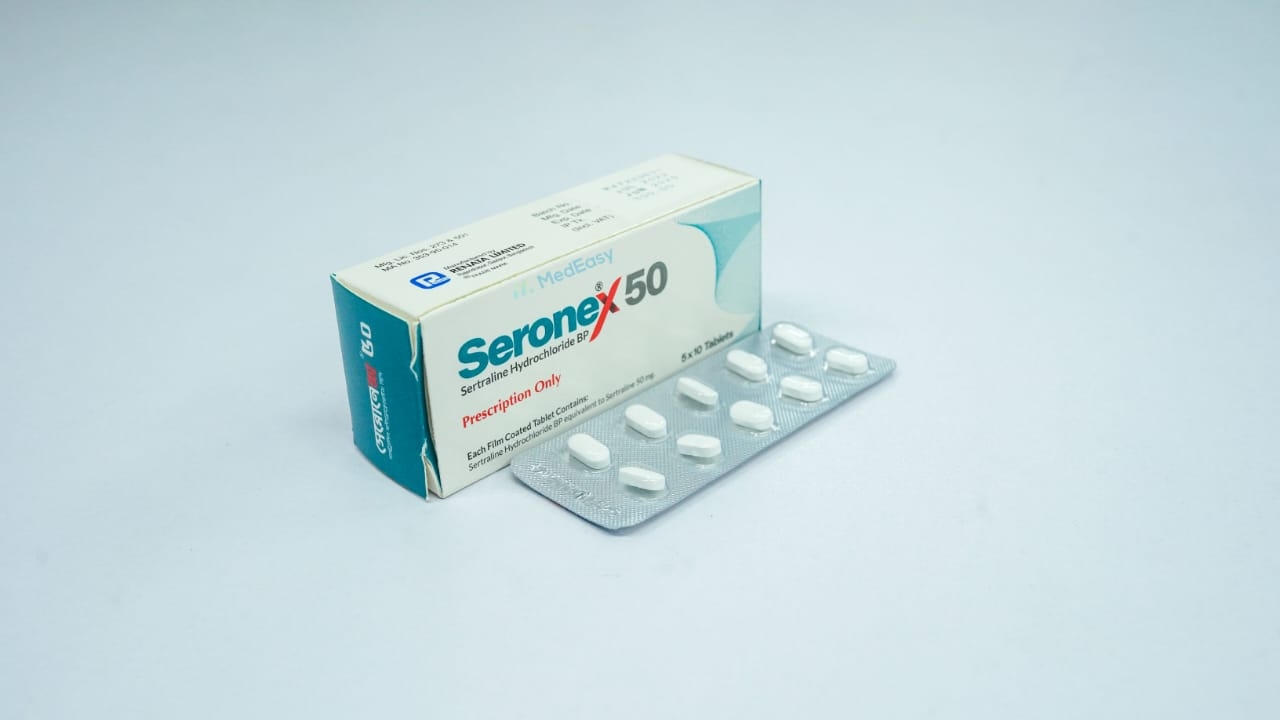
Generic medicine

Sertraline Hydrochloride BP: Brands, Price & Uses in Bangladesh

Sertraline Hydrochloride BP is a selective serotonin reuptake inhibitor (SSRI) with the following evidence-based uses: Established / FDA-approved uses (adults) Major Depressive Disorder (MDD) — for…

Forms:Tablet

About Sertraline Hydrochloride BP

Indications of Sertraline Hydrochloride BP

Sertraline Hydrochloride BP is a selective serotonin reuptake inhibitor (SSRI) with the following evidence-based uses:

Established / FDA-approved uses (adults)

  • Major Depressive Disorder (MDD) — for the treatment of depression in adults.
  • Obsessive-Compulsive Disorder (OCD) — for adults and pediatric patients aged 6–17 years.
  • Panic Disorder, with or without agoraphobia.
  • Post-Traumatic Stress Disorder (PTSD).
  • Social Anxiety Disorder (Social Phobia).
  • Premenstrual Dysphoric Disorder (PMDD) — continuous or luteal-phase dosing.

Guideline-supported / commonly used off-label

  • Generalized Anxiety Disorder (GAD) — commonly used off-label based on clinical experience and guideline recommendations, though not a formally FDA-approved indication for Sertraline Hydrochloride BP.

Sertraline Hydrochloride BP should only be initiated and supervised by a qualified physician, who will confirm the diagnosis and weigh the potential benefit against the risks described under Precautions and Warnings.

Dosage & Administration of Sertraline Hydrochloride BP

Major Depressive Disorder, OCD (adult), Panic Disorder, PTSD, Social Anxiety Disorder

IndicationStarting doseUsual therapeutic rangeMaximum dose
MDD, OCD (adult), PTSD, Social Anxiety Disorder50 mg once daily50–200 mg/day200 mg/day
Panic Disorder25 mg once daily for the first week, then increase to 50 mg once daily50–200 mg/day200 mg/day

Dose increases of Sertraline Hydrochloride BP should occur at intervals of no less than one week, based on response and tolerability.

Obsessive-Compulsive Disorder — Pediatric patients

Age groupStarting doseMaximum dose
6–12 years25 mg once daily200 mg/day
13–17 years50 mg once daily200 mg/day

Premenstrual Dysphoric Disorder (PMDD)

Continuous dosing: 50 mg once daily throughout the menstrual cycle, may be increased up to 150 mg/day. Luteal-phase dosing: 50 mg once dailystarting on day 14 of the cycle (the presumed day of ovulation) through the onset of menses, may be increased by 50 mg/day per cycle up to 100 mg/dayin the luteal phase.

Hepatic impairment

Use Sertraline Hydrochloride BP with caution in patients with hepatic impairment; a lower starting dose and slower titration, with less frequent dosing, is recommended, and Sertraline Hydrochloride BP should be used cautiously in patients with severe hepatic impairment.

Renal impairment

No dose adjustment of Sertraline Hydrochloride BP is generally required based on renal impairment alone.

Discontinuation

When stopping Sertraline Hydrochloride BP after extended use, the dose should be tapered gradually rather than abruptly discontinued, under physician guidance (see Precautions and Warnings).

Side Effects of Sertraline Hydrochloride BP

Common

  • Nausea, diarrhea/loose stools, dyspepsia, dry mouth
  • Insomnia, somnolence, dizziness, headache, tremor
  • Increased sweating
  • Sexual dysfunction (decreased libido, delayed ejaculation, anorgasmia)
  • Fatigue

Serious (seek medical attention promptly)

  • Worsening depression, unusual changes in behavior, or emergence of suicidal thoughts (see Precautions and Warnings)
  • Serotonin syndrome (agitation, hallucinations, fever, rapid heart rate, muscle rigidity, incoordination) when Sertraline Hydrochloride BP is combined with other serotonergic drugs
  • Abnormal bleeding or bruising
  • Signs of hyponatremia (confusion, severe weakness, headache, unsteadiness) especially in elderly patients on Sertraline Hydrochloride BP
  • Activation of mania or hypomania
  • Seizures
  • Severe allergic reaction (rash, swelling, difficulty breathing) to Sertraline Hydrochloride BP
  • Angle-closure glaucoma (eye pain, vision changes)

Contraindications of Sertraline Hydrochloride BP

  • Known hypersensitivity to Sertraline Hydrochloride BP or any of its formulation components.
  • Concomitant use of, or use within 14 days of discontinuing, a monoamine oxidase inhibitor (MAOI), due to the risk of serious serotonin syndrome.
  • Concomitant use of pimozide, due to the risk of QT prolongation and serious arrhythmia.
  • Concomitant use of intravenous methylene blue, due to the risk of serious serotonin syndrome.
  • Concomitant use of disulfiram with the oral concentrate formulation of Sertraline Hydrochloride BP specifically (due to its alcohol content).

Frequently Asked Questions about Sertraline Hydrochloride BP

What is Sertraline Hydrochloride BP used for?

Sertraline Hydrochloride BP is an SSRI antidepressant approved for treating Major Depressive Disorder, Obsessive-Compulsive Disorder, Panic Disorder, PTSD, Social Anxiety Disorder, and Premenstrual Dysphoric Disorder in adults, and OCD in children aged 6–17.

How long does it take for Sertraline Hydrochloride BP to work?

It can take 4–6 weeks of regular use at an adequate dose to see the full antidepressant effect of Sertraline Hydrochloride BP for depression, and up to 10–12 weeks for OCD. Do not stop taking Sertraline Hydrochloride BP early just because you don't feel a difference right away — discuss any concerns with your physician.

Can I stop taking Sertraline Hydrochloride BP suddenly?

No. Stopping Sertraline Hydrochloride BP abruptly after regular use can cause discontinuation symptoms such as dizziness, irritability, sensory disturbances, and sleep problems. Your physician will usually taper the dose of Sertraline Hydrochloride BP gradually when it is time to stop.

Is Sertraline Hydrochloride BP safe during pregnancy or breastfeeding?

Sertraline Hydrochloride BP should be used in pregnancy only if clearly needed, since exposure late in pregnancy has been linked to complications in newborns such as feeding and breathing difficulties. Sertraline Hydrochloride BP passes into breast milk in low amounts; a physician should always be consulted before using Sertraline Hydrochloride BP while breastfeeding, and the infant should be monitored for irritability or poor feeding.

What are the serious risks I should know about with Sertraline Hydrochloride BP?

Sertraline Hydrochloride BP carries a boxed warning for increased risk of suicidal thoughts and behavior in children, adolescents, and young adults, especially early in treatment. It can also cause serotonin syndrome when combined with other serotonergic drugs, increase bleeding risk with NSAIDs or blood thinners, and rarely cause low blood sodium (hyponatremia), particularly in elderly patients. Sertraline Hydrochloride BP must never be combined with an MAOI or with pimozide.

What should I do if someone takes too much Sertraline Hydrochloride BP?

An overdose of Sertraline Hydrochloride BP can cause severe drowsiness, tremor, rapid heart rate, seizures, or serotonin syndrome. Seek immediate medical attention or contact emergency services / a poison control center right away — do not wait for symptoms to appear or try to treat it at home.

Disclaimer

The information provided is accurate to the best of our knowledge, but it does not replace professional medical advice. We cannot guarantee its completeness or accuracy, and the absence of specific information about a drug should not be taken as an endorsement. We are not responsible for any consequences arising from this information, so please consult a healthcare professional for any concerns or questions.
DoctorBlogArticles