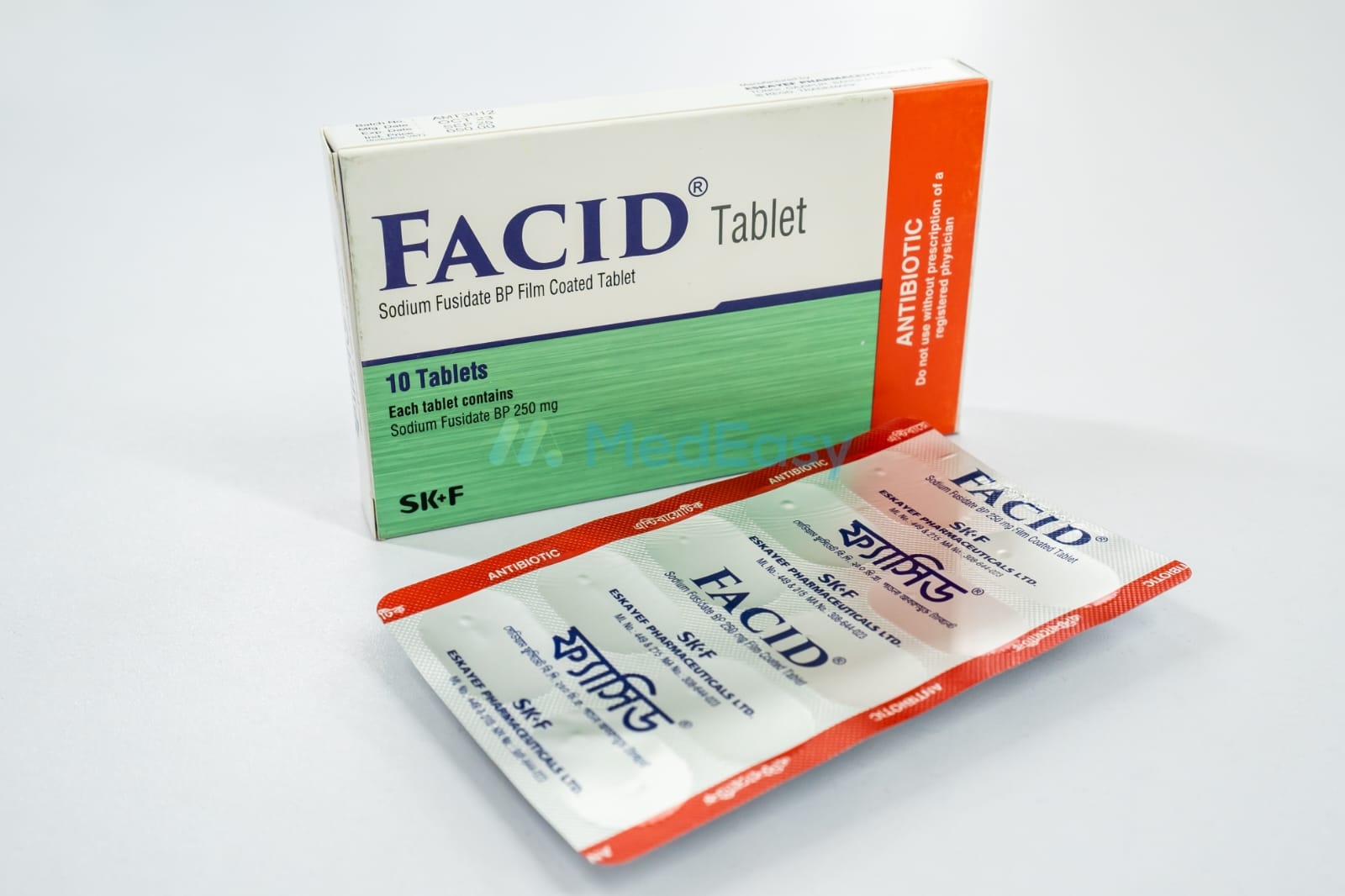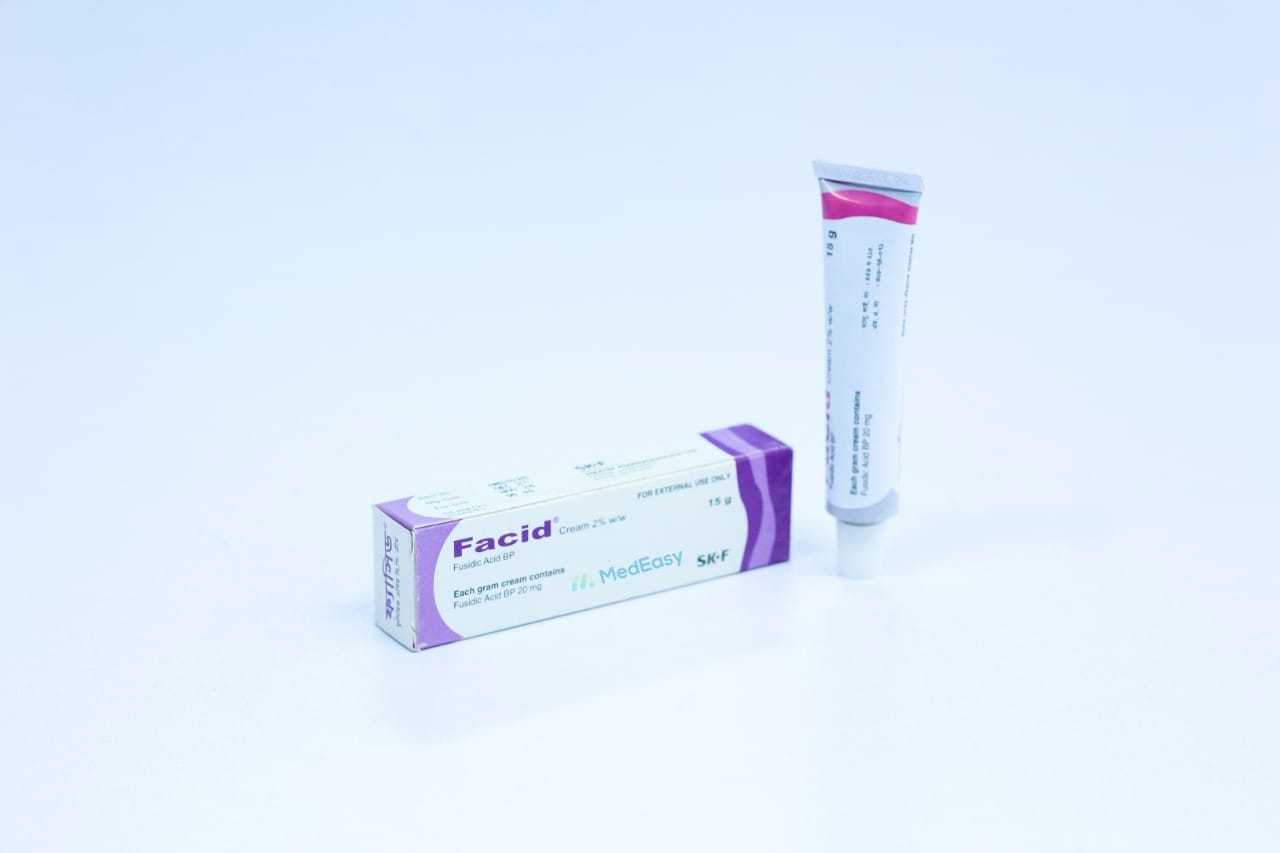
Generic medicine

Sodium Fusidate: Brands, Price & Uses in Bangladesh

Sodium Fusidate is an antibiotic (fusidane class) with established activity against Staphylococcus aureus , including many penicillin-resistant strains.

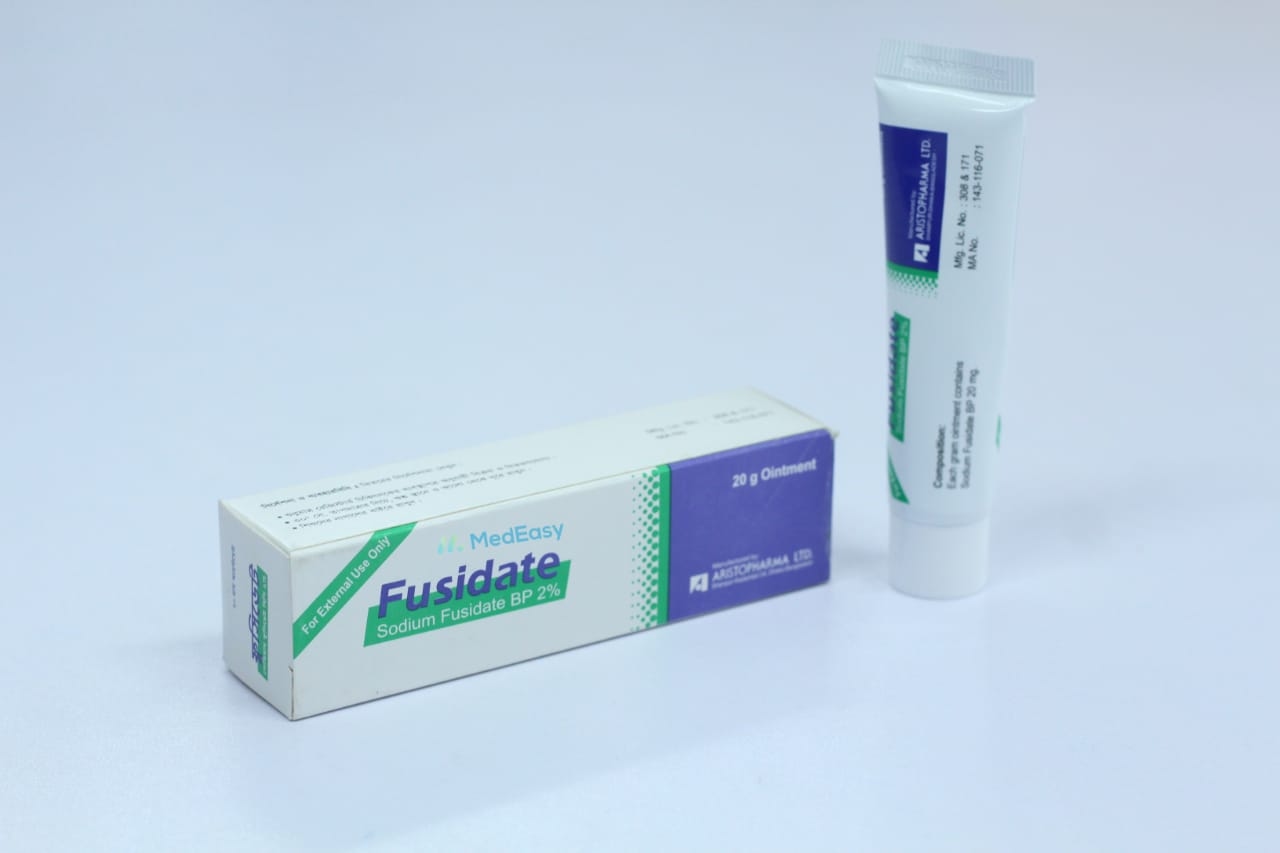
Forms:CreamOintmentTablet

About Sodium Fusidate

Indications of Sodium Fusidate

Sodium Fusidate is an antibiotic (fusidane class) with established activity against Staphylococcus aureus, including many penicillin-resistant strains. It is indicated for:

  • Established/approved use: Treatment of staphylococcal skin and soft tissue infections (e.g., boils, abscesses, wound infections, impetigo) caused by susceptible strains.
  • Established/approved use: Treatment of staphylococcal bone and joint infections, including osteomyelitis and septic arthritis, where susceptibility has been confirmed.
  • Guideline-supported/combination use: Serious staphylococcal infections such as endocarditis and bacteraemia, typically administered together with another antistaphylococcal antibiotic to reduce the risk of resistance developing during treatment.
  • Adjunct use: As part of combination therapy in complicated or deep-seated staphylococcal infections when monotherapy is considered inadequate.

Sodium Fusidate should only be used for infections proven or strongly suspected to be caused by susceptible staphylococci; it is not effective against most Gram-negative organisms.

Dosage & Administration of Sodium Fusidate

Adults

IndicationRouteTypical Dose
Skin/soft tissue and bone/joint infectionsOral (tablet)500 mg (as sodium fusidate) three times daily
Serious or deep-seated infectionsIntravenous infusion500 mg three times daily by slow IV infusion, switching to oral therapy as soon as clinically feasible

Children

Age/WeightTypical Dose (oral suspension)
Under 1 yearApproximately 50 mg/kg/day in divided doses
1–5 years250 mg (as fusidic acid) three times daily
5–12 years500 mg three times daily

Duration of treatment depends on the site and severity of infection; bone/joint infections typically require several weeks of therapy. Sodium Fusidate is frequently combined with another antistaphylococcal antibiotic, particularly for serious infections, specifically to reduce the risk of resistance emerging during treatment.

Take Sodium Fusidate exactly as prescribed by your physician; do not stop, extend, skip doses, or share this medicine with others without medical advice. Tablets and suspension are best taken with food to reduce gastrointestinal upset.

Side Effects of Sodium Fusidate

Common

  • Gastrointestinal upset (nausea, vomiting, diarrhoea, abdominal discomfort)
  • Skin rash

Less Common but Clinically Important

  • Hepatotoxicity: Dose-related liver enzyme elevation, especially with prolonged or high-dose systemic therapy; requires monitoring of liver function.
  • Jaundice: Reversible cholestatic jaundice, more often associated with high-dose intravenous use.
  • Local irritation or thrombophlebitis at the IV infusion site.

Patients should seek medical attention promptly if they notice yellowing of the skin/eyes, severe abdominal pain, or unusual bruising/bleeding.

Contraindications of Sodium Fusidate

Sodium Fusidate is contraindicated in:

  • Patients with known hypersensitivity to fusidic acid, sodium fusidate, or any component of the formulation.
  • Concurrent use with statins metabolised via interacting pathways (e.g., simvastatin, atorvastatin) due to the risk of severe rhabdomyolysis — see Interactions.

Frequently Asked Questions about Sodium Fusidate

What is Sodium Fusidate used for?

Sodium Fusidate is an antibiotic used to treat infections caused by susceptible Staphylococcus aureus, including skin and soft tissue infections and bone/joint infections such as osteomyelitis, particularly when other antibiotics are unsuitable or resistance is a concern.

Why is Sodium Fusidate often given with another antibiotic?

Sodium Fusidate is frequently combined with another antistaphylococcal antibiotic, especially for serious or prolonged infections, because using it alone increases the risk that bacteria will develop resistance during treatment. Combination therapy helps reduce this risk.

Can I take Sodium Fusidate with my cholesterol (statin) medicine?

No. Taking Sodium Fusidate together with statins such as simvastatin or atorvastatin significantly increases the risk of severe, potentially fatal muscle breakdown (rhabdomyolysis). Your doctor will usually advise stopping the statin temporarily during treatment with Sodium Fusidate. Tell your doctor about all medicines you take.

What are the common side effects of Sodium Fusidate?

Common side effects include nausea, vomiting, diarrhoea, abdominal discomfort, and skin rash. Less commonly, Sodium Fusidate can affect the liver, causing raised liver enzymes or, rarely, reversible jaundice, especially with high doses or prolonged use. Contact your doctor if you notice yellowing of the skin or eyes.

Is Sodium Fusidate safe during pregnancy or breastfeeding?

Sodium Fusidate should be used during pregnancy or breastfeeding only if clearly needed, and only if your doctor decides the benefit outweighs the potential risk, since safety data are limited. Always consult your physician before use in these situations.

What should I do if I miss a dose or think I've taken too much Sodium Fusidate?

If you miss a dose, take it as soon as you remember unless it is nearly time for the next one; do not double the dose. Always complete the full course as prescribed. If you suspect an overdose, seek immediate medical attention or contact a poison control centre rather than treating it at home.

Disclaimer

The information provided is accurate to the best of our knowledge, but it does not replace professional medical advice. We cannot guarantee its completeness or accuracy, and the absence of specific information about a drug should not be taken as an endorsement. We are not responsible for any consequences arising from this information, so please consult a healthcare professional for any concerns or questions.

DoctorBlogArticles