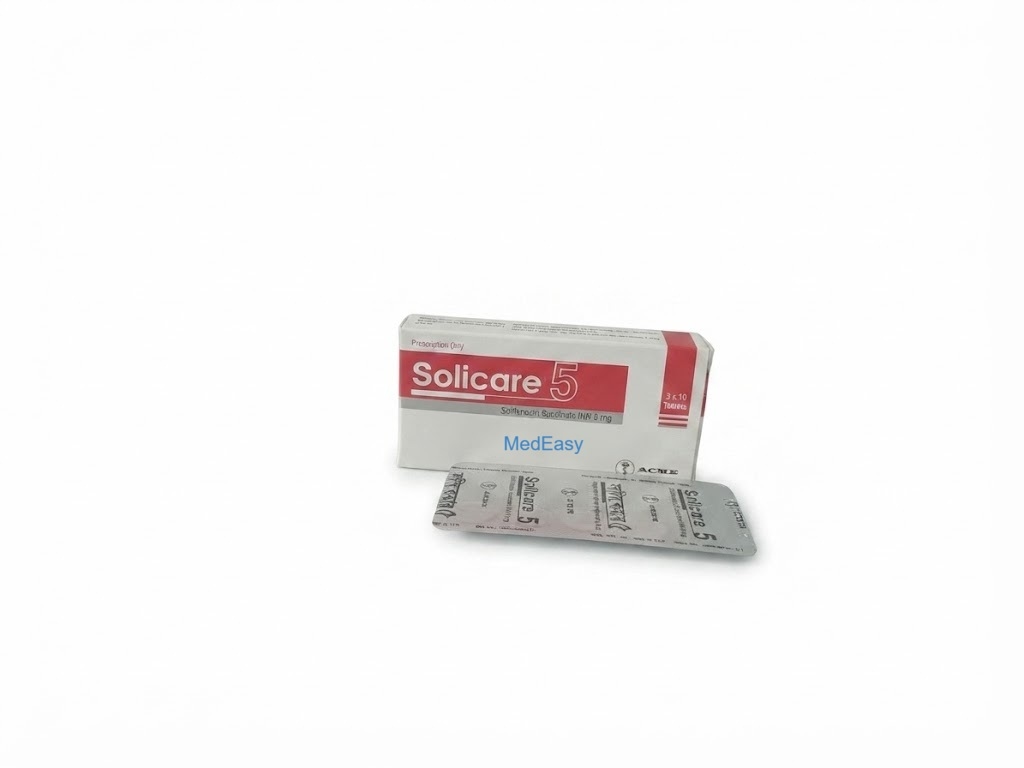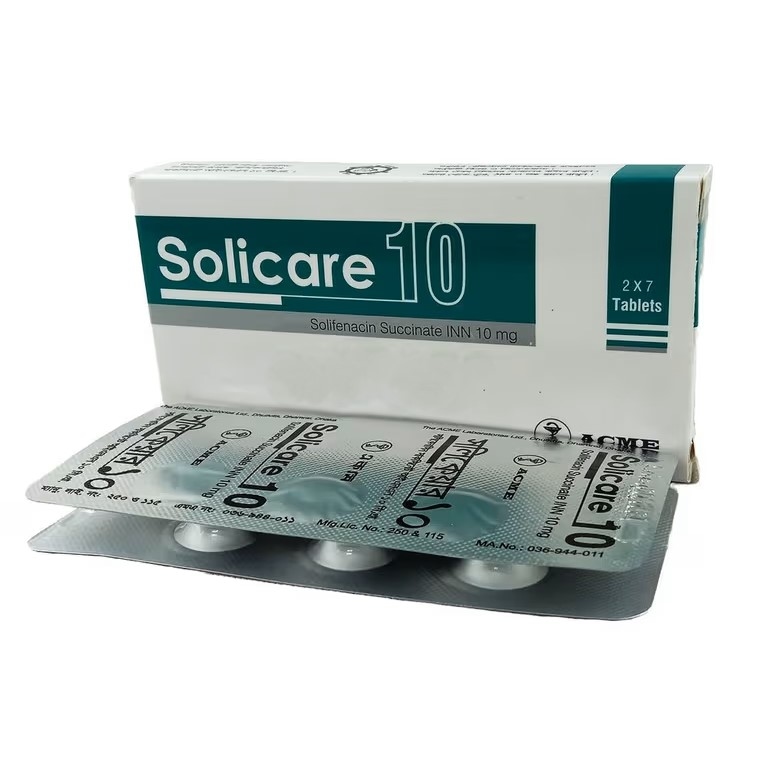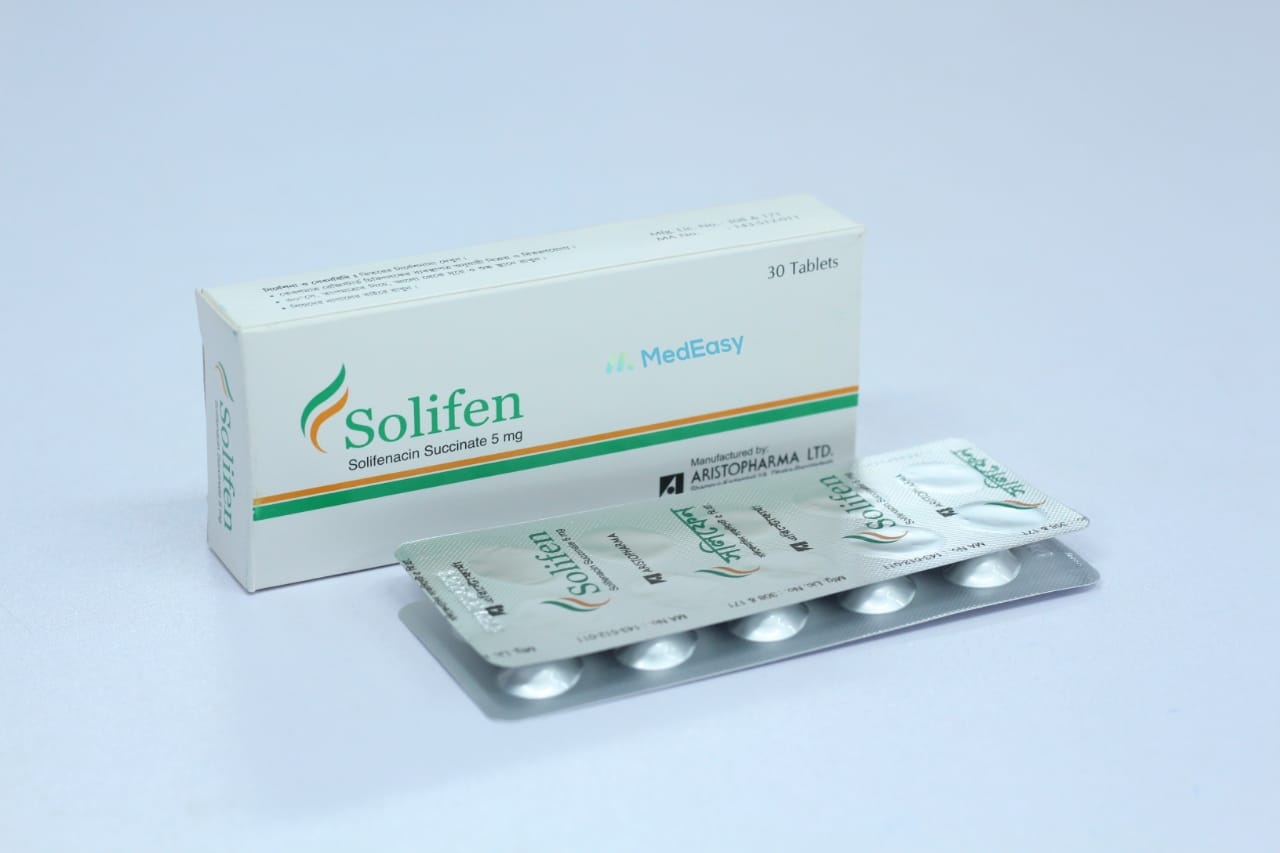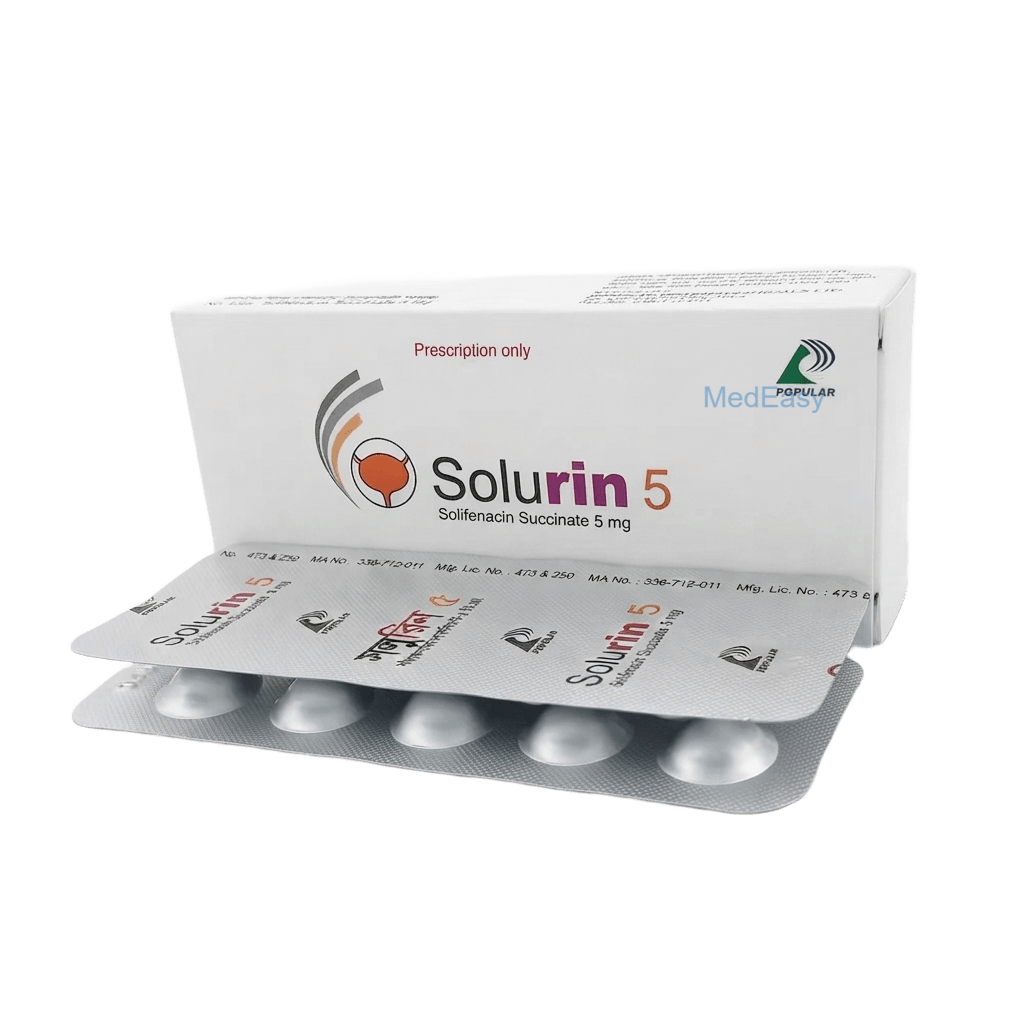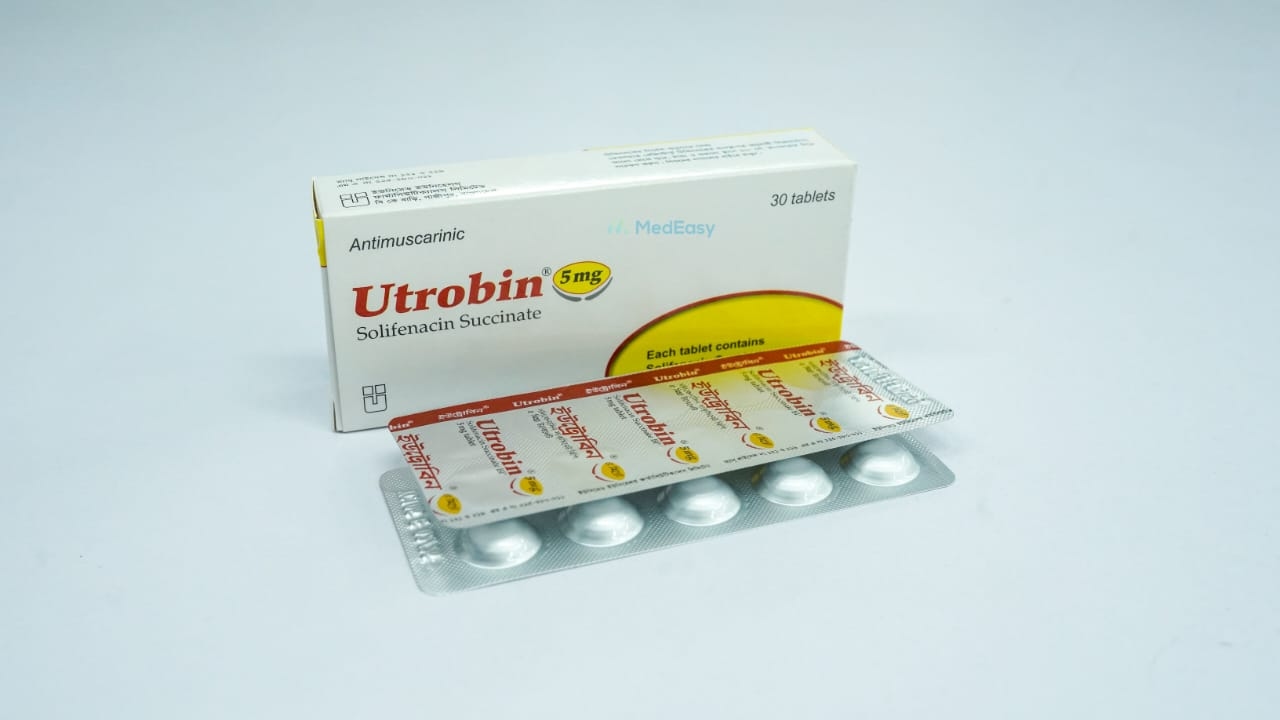
Generic medicine

Solifenacin Succinate: Brands, Price & Uses in Bangladesh

Solifenacin Succinate is an antimuscarinic (anticholinergic) agent indicated for the treatment of the following condition: Established / FDA-approved use Overactive bladder (OAB): Solifenacin…

Forms:Tablet

About Solifenacin Succinate

Indications of Solifenacin Succinate

Solifenacin Succinate is an antimuscarinic (anticholinergic) agent indicated for the treatment of the following condition:

Established / FDA-approved use

  • Overactive bladder (OAB): Solifenacin Succinate is indicated for the treatment of overactive bladder in adults with symptoms of urinary urgency, urinary frequency, and urge urinary incontinence.

Guideline-supported / combination-therapy use

  • Pediatric neurogenic detrusor overactivity (NDO): An oral suspension formulation of Solifenacin Succinate is used, in combination with clean intermittent catheterization (CIC), for the treatment of neurogenic detrusor overactivity in children (approved age ranges vary by formulation/label). This is an add-on/combination indication, not a standalone use.

Solifenacin Succinate is not indicated for stress incontinence or for the treatment of urinary tract infection.

Dosage & Administration of Solifenacin Succinate

Adult dose (Overactive Bladder)

PopulationDose
Usual starting dose5 mg by mouth once daily
Maximum dose (if tolerated and needed)10 mg by mouth once daily

Renal impairment

  • Mild-to-moderate renal impairment: no dose adjustment generally required.
  • Severe renal impairment (CrCl < 30 mL/min): maximum dose should not exceed 5 mg once daily.

Hepatic impairment

  • Moderate hepatic impairment: maximum dose should not exceed 5 mg once daily.
  • Severe hepatic impairment: use is not recommended (see Contraindications).

Concomitant strong CYP3A4 inhibitors

When Solifenacin Succinate is co-administered with a strong CYP3A4 inhibitor (e.g., ketoconazole), the dose should not exceed 5 mg once daily.

Pediatric dose (neurogenic detrusor overactivity, oral suspension, in combination with CIC)

Weight-based dosing is used for the pediatric oral suspension formulation, under specialist supervision; the tablet formulation of Solifenacin Succinate is not established for use in children with OAB (see Pediatric Use).

Administration

Solifenacin Succinate tablets should be swallowed whole with water, with or without food, at approximately the same time each day.

Side Effects of Solifenacin Succinate

Side effects of Solifenacin Succinate are largely related to its antimuscarinic mechanism.

Very common / common

  • Dry mouth (the most characteristic and frequently reported effect)
  • Constipation
  • Blurred vision
  • Dizziness and headache
  • Dyspepsia (indigestion)
  • Urinary tract infection

Less common but clinically important

  • Dry eyes
  • Nausea, abdominal discomfort

Serious (uncommon but important)

  • Urinary retention
  • Severe constipation, fecal impaction, or intestinal obstruction/ileus
  • Angioedema and hypersensitivity reactions (including anaphylaxis)
  • QT interval prolongation and, rarely, torsades de pointes, particularly at higher doses or in at-risk patients
  • Confusion, hallucinations, or other cognitive/CNS effects, notably in elderly patients

Contraindications of Solifenacin Succinate

Solifenacin Succinate is contraindicated in patients with:

  • Known hypersensitivity to Solifenacin Succinate or any component of the formulation.
  • Urinary retention.
  • Gastric retention.
  • Uncontrolled narrow-angle glaucoma.
  • Severe hepatic impairment.
  • Severe renal impairment or moderate hepatic impairment when combined with a strong CYP3A4 inhibitor (the antimuscarinic burden and drug exposure become excessive in this combination).

Frequently Asked Questions about Solifenacin Succinate

What is Solifenacin Succinate used for?

Solifenacin Succinate is used to treat overactive bladder in adults, helping to reduce symptoms of urinary urgency, frequent urination, and urge urinary incontinence.

How should I take Solifenacin Succinate?

Solifenacin Succinate is usually taken as one tablet (5 mg or 10 mg, as prescribed) by mouth once daily, swallowed whole with water, with or without food, at around the same time each day.

What is the most common side effect of Solifenacin Succinate?

Dry mouth is the most common side effect. Constipation, blurred vision, and dizziness can also occur. Drinking water, chewing sugar-free gum, and eating a fiber-rich diet may help manage mild dry mouth and constipation, but persistent or severe symptoms should be reported to a physician.

Who should not take Solifenacin Succinate?

Solifenacin Succinate should not be used by people with urinary retention, gastric retention, uncontrolled narrow-angle glaucoma, severe hepatic impairment, known hypersensitivity to Solifenacin Succinate, or severe renal impairment combined with certain strong interacting medicines. Always inform your physician of your full medical history before starting Solifenacin Succinate.

Can Solifenacin Succinate be taken during pregnancy or breastfeeding?

Solifenacin Succinate should be used during pregnancy or breastfeeding only if clearly needed and if the potential benefit outweighs potential risk, since data in humans are limited. Always consult a physician before using Solifenacin Succinate if you are pregnant, planning pregnancy, or breastfeeding.

What should I do if I miss a dose or take too much Solifenacin Succinate?

If you miss a dose, take it when you remember unless it is close to the next dose — do not double up. If an overdose is suspected, seek immediate medical attention or contact emergency services/poison control, as overdose can cause pronounced anticholinergic effects such as rapid heartbeat, severe dry mouth, and urinary retention.

Disclaimer

The information provided is accurate to the best of our knowledge, but it does not replace professional medical advice. We cannot guarantee its completeness or accuracy, and the absence of specific information about a drug should not be taken as an endorsement. We are not responsible for any consequences arising from this information, so please consult a healthcare professional for any concerns or questions.

DoctorBlogArticles