10% Off
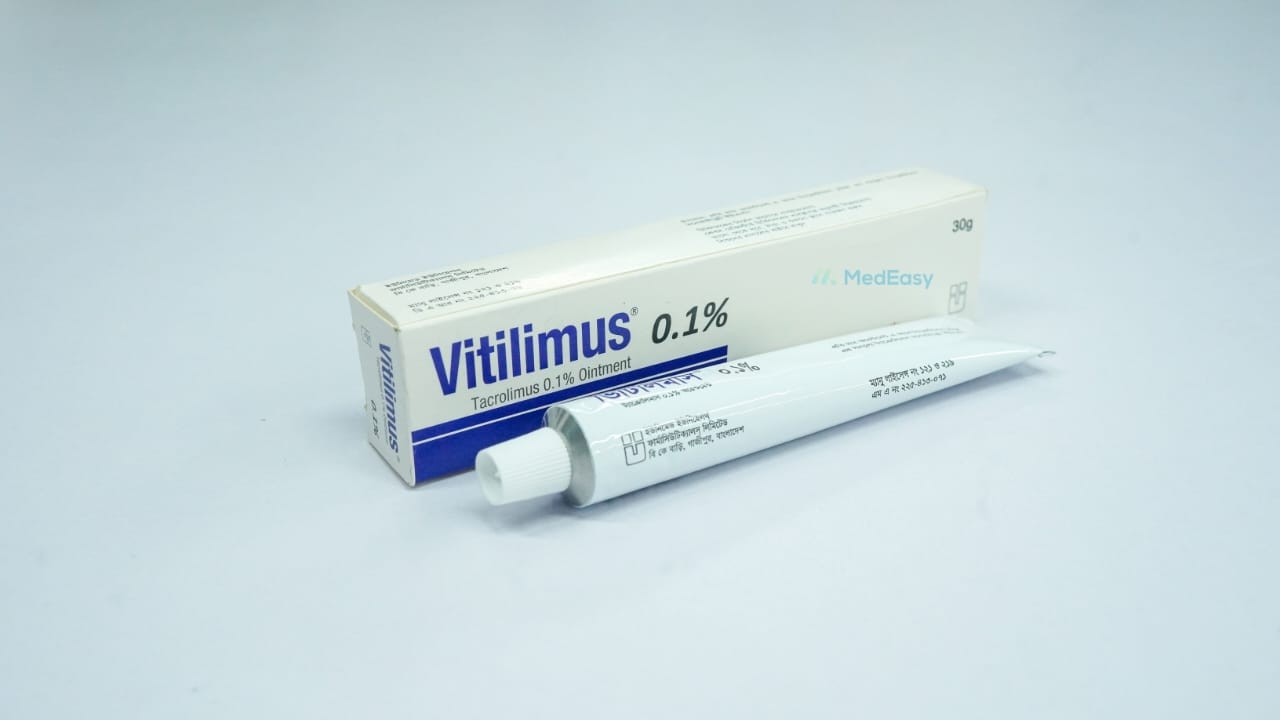
Remus 0.1%10 gm
Square Pharmaceuticals PLC.
৳324.00
Add to cart
Tacrolimus is a calcineurin-inhibitor immunosuppressant with two distinct approved uses depending on formulation: Systemic (oral/IV) - FDA-approved: Prophylaxis of organ rejection in patients…
Tacrolimus is a calcineurin-inhibitor immunosuppressant with two distinct approved uses depending on formulation:
Systemic Tacrolimus is always used in combination with other immunosuppressants and is not intended as monotherapy for transplant rejection prophylaxis.
| Indication | Population | Typical Dosing |
|---|---|---|
| Kidney/Liver/Heart transplant (oral, immediate-release) | Adults | Initial dose approximately 0.1-0.2 mg/kg/day in two divided doses, started within 24 hours post-transplant; subsequently adjusted to maintain target trough blood concentrations, in combination with other immunosuppressants. |
| Kidney/Liver transplant | Pediatric | Generally higher weight-based doses than adults (per transplant protocol); dosing individualized under specialist supervision with trough-level monitoring. |
| IV formulation | Adults (only when oral not feasible) | Approximately 0.03-0.05 mg/kg/day as continuous IV infusion; converted to oral therapy as soon as possible due to anaphylaxis risk with IV castor-oil-derivative vehicle. |
| Atopic dermatitis (topical ointment) | Adults and children ≥2 years | Apply a thin layer of 0.03% (children 2-15 years) or 0.03%/0.1% (adults) ointment to affected skin twice daily; discontinue once clearing occurs; not for long-term continuous use without physician review. |
Dose must be individualized based on trough blood concentrations, renal/hepatic function, concomitant immunosuppressants, and clinical response. Tacrolimus must be taken exactly as prescribed; do not change the dose, switch between brands/formulations, or stop the medicine without consulting the transplant physician, as this can precipitate organ rejection.
Boxed warning-level risks (systemic use): Increased susceptibility to infection (bacterial, viral, fungal, opportunistic) and increased risk of malignancy, particularly lymphoma and skin cancers, due to the degree of overall immunosuppression. Tacrolimus may also cause nephrotoxicity and neurotoxicity, requiring regular monitoring of renal function and blood trough levels.
Common systemic side effects include:
Serious/rare effects: Seizures, posterior reversible encephalopathy syndrome (PRES), QT prolongation, thrombotic microangiopathy, and (topical use) a boxed warning noting rare post-marketing reports of malignancy (skin cancer, lymphoma) with topical calcineurin inhibitors, although a causal relationship has not been established; topical use is intended as second-line, short-term/intermittent therapy.
Topical use commonly causes application-site burning, stinging, pruritus, and erythema, especially in the first days of treatment.
Tacrolimus is contraindicated in patients with known hypersensitivity to tacrolimus. The intravenous formulation is additionally contraindicated in patients hypersensitive to HCO-60 (polyoxyl 60 hydrogenated castor oil), a component of the IV vehicle, due to risk of anaphylaxis.
Disclaimer
The information provided is accurate to the best of our knowledge, but it does not replace professional medical advice. We cannot guarantee its completeness or accuracy, and the absence of specific information about a drug should not be taken as an endorsement. We are not responsible for any consequences arising from this information, so please consult a healthcare professional for any concerns or questions.