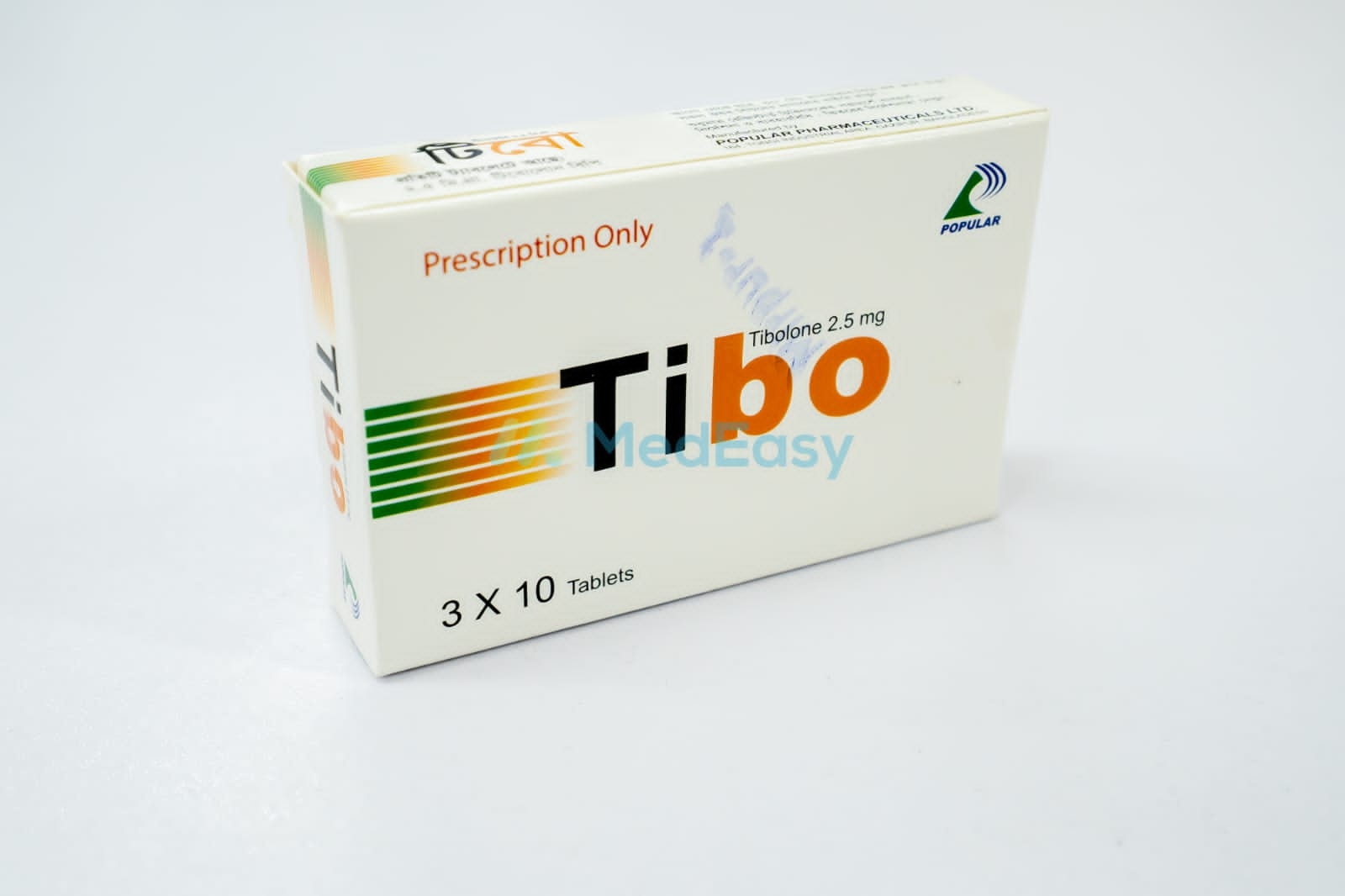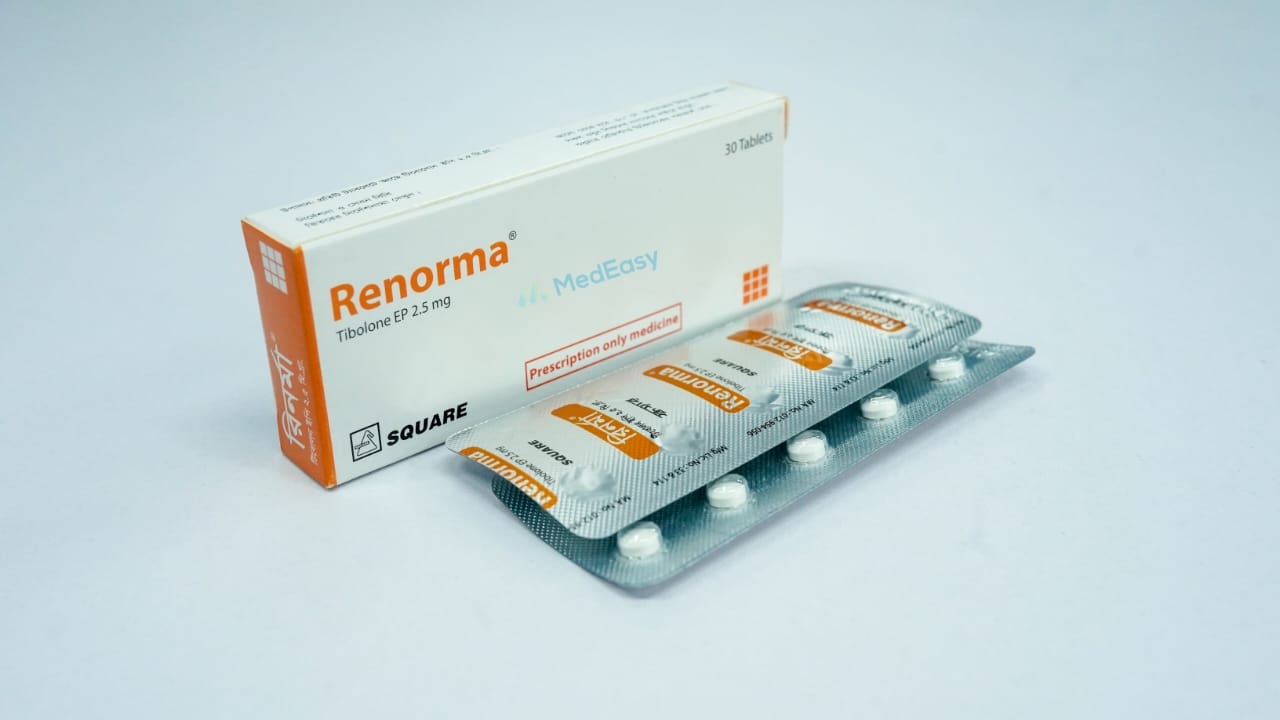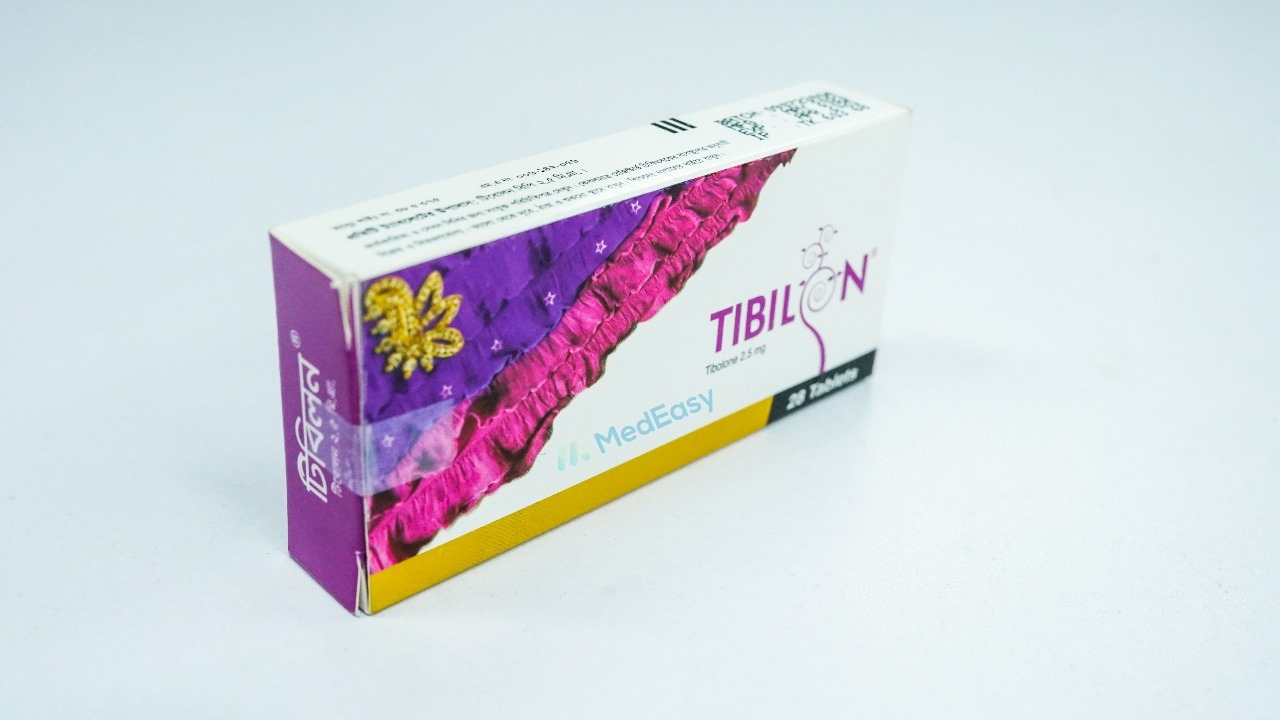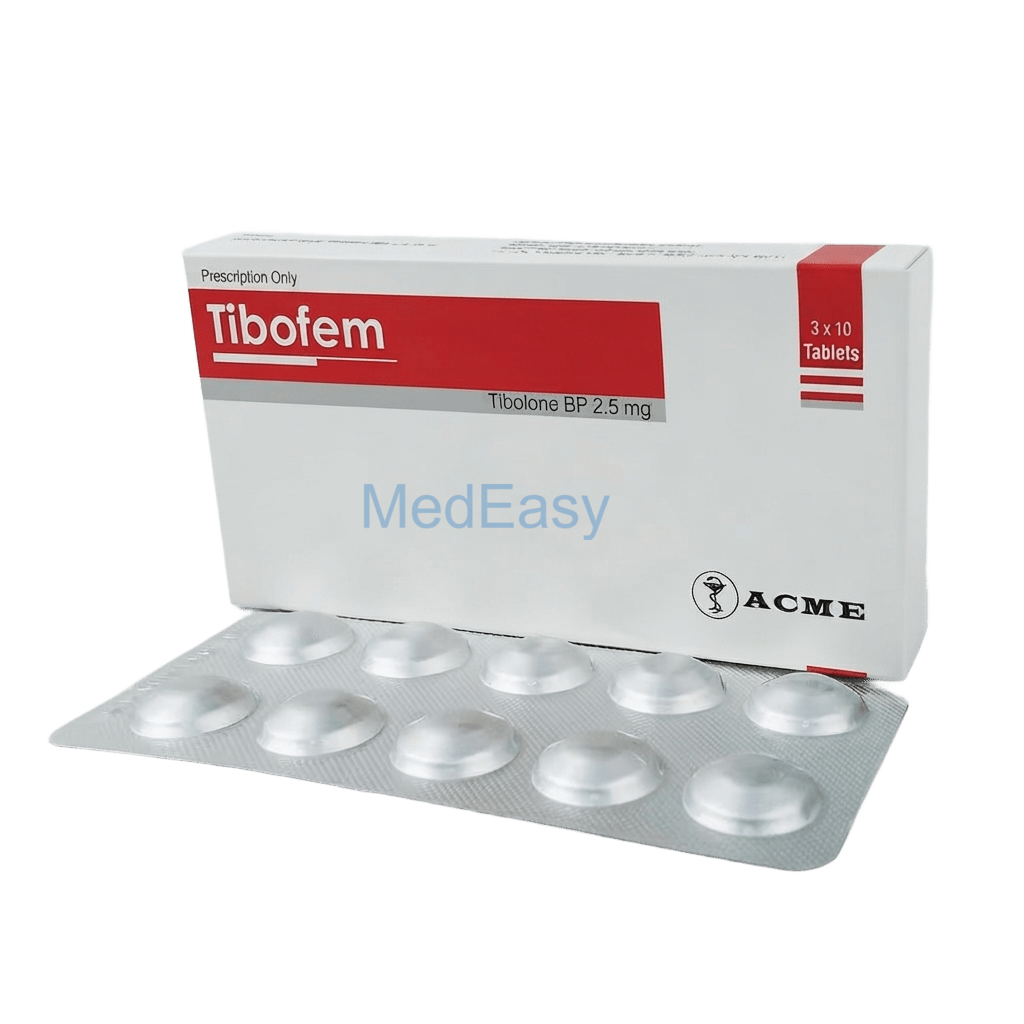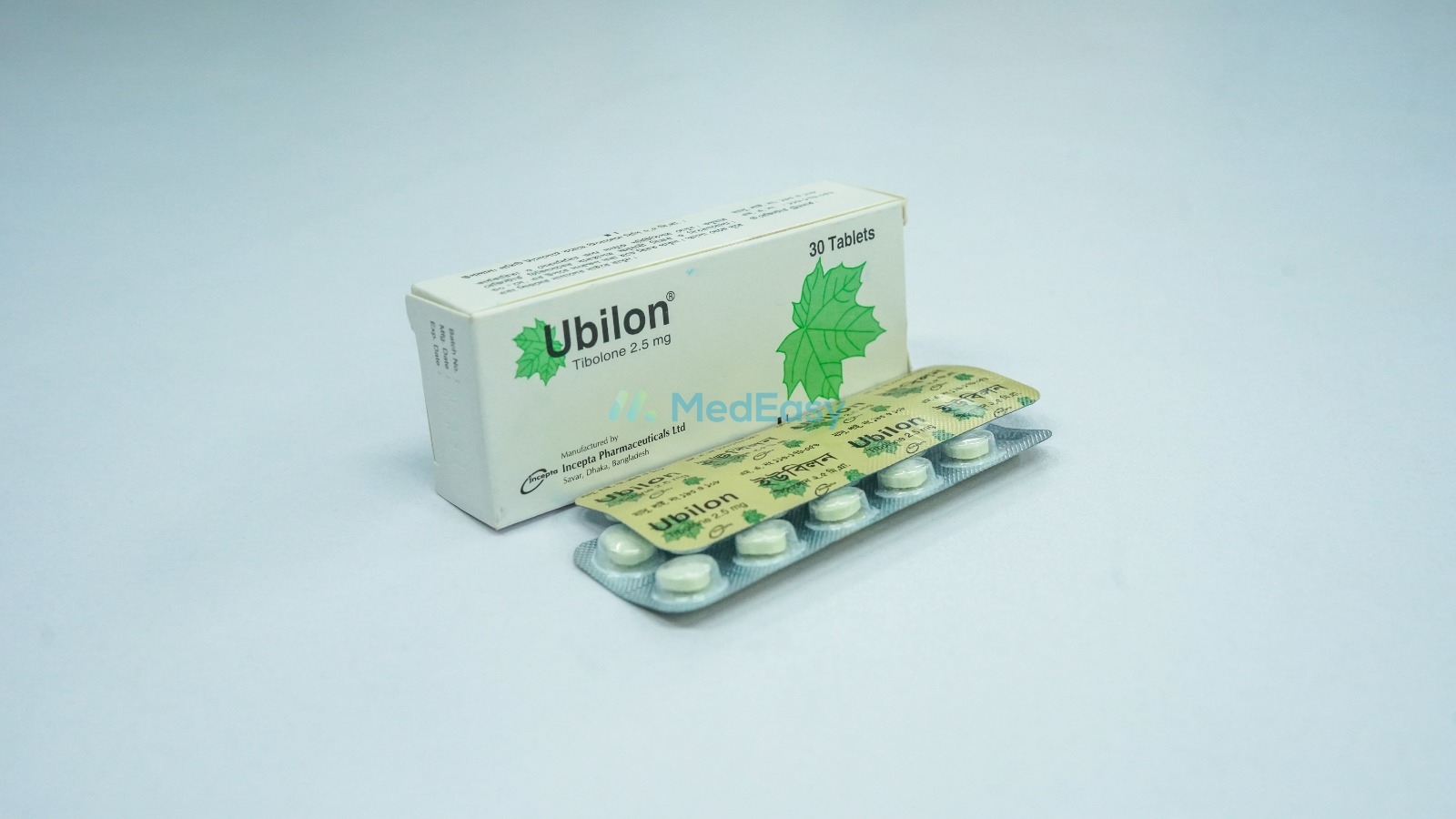
Generic medicine

Tibolone: Brands, Price & Uses in Bangladesh

Tibolone is a synthetic steroid compound with tissue-selective estrogenic, progestogenic, and weak androgenic activity, used exclusively in postmenopausal women.

Forms:Tablet

About Tibolone

Indications of Tibolone

Tibolone is a synthetic steroid compound with tissue-selective estrogenic, progestogenic, and weak androgenic activity, used exclusively in postmenopausal women. Its evidence-based indications are:

Established/Approved Uses

  • Treatment of estrogen-deficiency symptoms of the menopause (e.g., vasomotor symptoms such as hot flushes and night sweats, and vulvovaginal atrophy) in women who are more than 12 months past their last natural menstrual period, or in women after surgical menopause.
  • Prevention of osteoporosis in postmenopausal women who are at high risk of future fractures and who are intolerant of, or have a contraindication to, other medicines approved for osteoporosis prevention.

Not Recommended As First-Line

Tibolone is not recommended as a first-line treatment for osteoporosis prevention alone; it should be considered only when alternative therapies are unsuitable, given its safety profile (see Precautions and Warnings).

Tibolone is used only in postmenopausal women and has no role in premenopausal women, men, or children.

Dosage & Administration of Tibolone

Adult Dose (Postmenopausal Women Only)

IndicationDose
Menopausal symptoms2.5 mg (one tablet) orally, once daily
Osteoporosis prevention (when other options are unsuitable)2.5 mg (one tablet) orally, once daily

Administration

  • Take one tablet daily by mouth with water, preferably at the same time each day, with or without food.
  • In women with a natural menopause, treatment should not be started until at least 12 months after the last natural menstrual bleeding.
  • In women undergoing surgical menopause, treatment may be started immediately.
  • If a dose is missed, it should be taken as soon as remembered on the same day; do not double the dose the next day.

Special Situations

  • Elderly: No dose adjustment is required based on age alone.
  • Renal impairment: Data are limited; use with caution and under medical supervision.
  • Hepatic impairment: Contraindicated in acute liver disease or a history of liver disease where liver function tests have not returned to normal (see Contraindications).

Tibolone should be used at the lowest effective dose for the shortest duration consistent with treatment goals, with periodic medical reassessment (see Duration of Treatment).

Side Effects of Tibolone

Possible side effects of Tibolone include:

Common (≥1%)

  • Lower abdominal pain
  • Weight increase
  • Abnormal (androgenic) hair growth and, less commonly, acne
  • Vaginal discharge, irregular vaginal bleeding, or spotting
  • Thickening of the endometrial lining
  • Breast tenderness or discomfort

Uncommon/Rare

  • Fluid retention (edema)
  • Itching (pruritus)
  • Dizziness, headache, or migraine
  • Mood changes, including low mood
  • Visual disturbances
  • Changes in liver function tests

Serious Risks

Tibolone is also associated with a serious increased risk of ischaemic stroke, venous thromboembolism (DVT/PE), and breast cancer recurrence (see Precautions and Warnings and Contraindications for full details); these are not routine "side effects" but important safety risks that should be discussed with your physician before and during treatment.

Contraindications of Tibolone

Tibolone is contraindicated in the following situations (true absolute contraindications):

  • Known hypersensitivity to Tibolone or any excipient of the product.
  • Known or suspected pregnancy.
  • Breastfeeding.
  • Current or history of breast cancer, or suspected breast cancer.
  • Known or suspected estrogen-dependent malignant tumors (e.g., endometrial cancer).
  • Undiagnosed vaginal/genital bleeding.
  • Untreated endometrial hyperplasia.
  • Current or previous history of venous thromboembolism (deep vein thrombosis, pulmonary embolism), or known thrombophilic disorders.
  • Current or recent history of arterial thromboembolic disease (e.g., angina, myocardial infarction, stroke).
  • Acute liver disease, or a history of liver disease in which liver function tests have not returned to normal.
  • Porphyria.

Frequently Asked Questions about Tibolone

What is Tibolone used for?

Tibolone is used to relieve menopausal symptoms such as hot flushes, night sweats, and vaginal dryness in postmenopausal women, and to help prevent osteoporosis in postmenopausal women at high risk of fracture who cannot use other approved osteoporosis medicines.

Can Tibolone be taken during pregnancy or while breastfeeding?

No. Tibolone is strictly contraindicated in pregnancy and during breastfeeding. It is intended only for postmenopausal women. If pregnancy occurs while taking Tibolone, stop the medicine immediately and consult a physician.

Does Tibolone increase the risk of stroke or breast cancer?

Yes. Tibolone has been associated with an increased risk of ischaemic stroke from the first year of use, and with an increased risk of breast cancer with longer-term use. It is contraindicated in women with a current or past history of breast cancer. These risks should be discussed with your physician before starting treatment.

How should I take Tibolone?

Tibolone is usually taken as one 2.5 mg tablet by mouth once daily, with water, at about the same time each day. Do not increase the dose or take it more often than prescribed.

What should I do if I miss a dose of Tibolone?

If you miss a dose of Tibolone, take it as soon as you remember on the same day. Do not take a double dose the next day to make up for the missed one; simply resume your normal daily schedule.

Can I stop Tibolone suddenly?

You should not start or stop Tibolone without medical advice. Your physician will periodically review whether continuing Tibolone is still appropriate, generally at least once a year, based on your symptoms and individual risk factors.

Disclaimer

The information provided is accurate to the best of our knowledge, but it does not replace professional medical advice. We cannot guarantee its completeness or accuracy, and the absence of specific information about a drug should not be taken as an endorsement. We are not responsible for any consequences arising from this information, so please consult a healthcare professional for any concerns or questions.
DoctorBlogArticles