Generic medicine

Timolol Maleate: Brands, Price & Uses in Bangladesh

Timolol Maleate is a non-selective beta-adrenergic blocking agent used both topically (as eye drops) and, in some markets, orally (as tablets), depending on the indication.

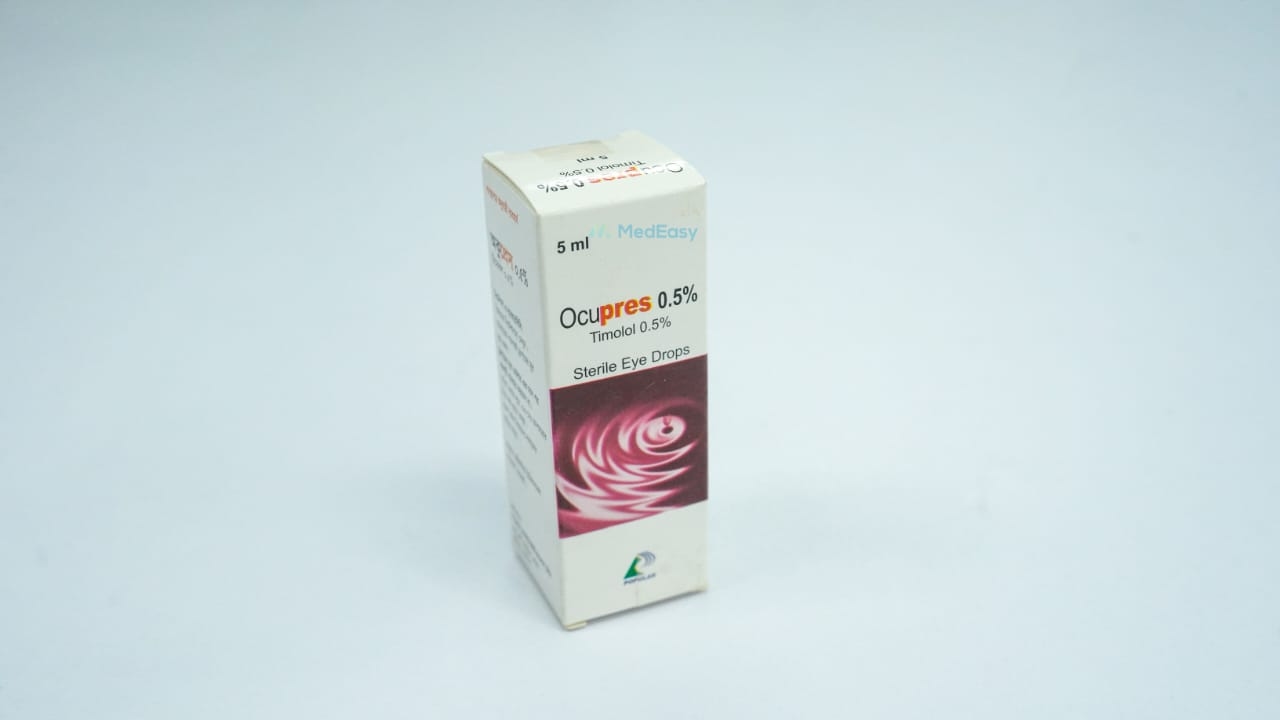
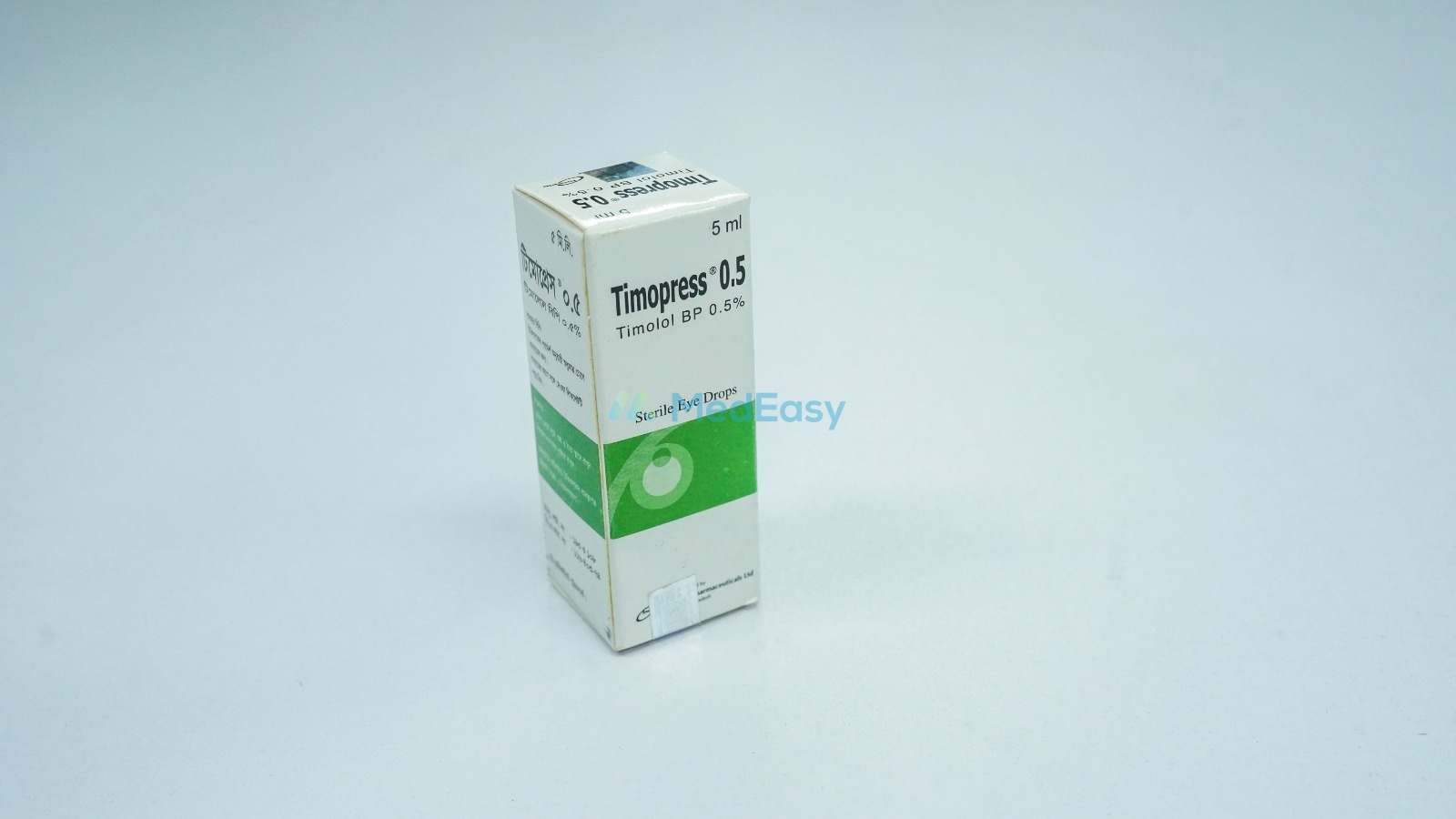
Forms:Ophthalmic Solution

About Timolol Maleate

Indications of Timolol Maleate

Timolol Maleate is a non-selective beta-adrenergic blocking agent used both topically (as eye drops) and, in some markets, orally (as tablets), depending on the indication.

Established / FDA-approved uses

  • Ophthalmic: reduction of elevated intraocular pressure (IOP) in patients with ocular hypertension or open-angle glaucoma, used alone or in combination with other IOP-lowering agents.
  • Oral (where marketed): management of hypertension, reduction of cardiovascular mortality and reinfarction risk in clinically stable patients after acute myocardial infarction, and prophylaxis of migraine headache.

Adjunct / combination use

  • In glaucoma that is inadequately controlled on a single agent, ophthalmic Timolol Maleate is frequently added to prostaglandin analogues, carbonic anhydrase inhibitors, or alpha-agonists as combination therapy.
  • Oral Timolol Maleate is not typically used as monotherapy for angina but may be used as part of a broader antianginal regimen.

Off-label use

  • Topical (compounded gel) Timolol Maleate is used off-label by some specialists for selected superficial infantile hemangiomas, under close medical supervision; this is not an FDA-approved indication and requires specialist guidance.

In Bangladesh, Timolol Maleate is primarily marketed and used as an ophthalmic (eye drop) preparation for glaucoma and ocular hypertension.

Dosage & Administration of Timolol Maleate

Ophthalmic use (glaucoma / ocular hypertension)

FormulationTypical adult dose
Timolol Maleate ophthalmic solution 0.25% or 0.5%1 drop in the affected eye(s) twice daily; if controlled, may reduce to once daily
Timolol Maleate gel-forming ophthalmic solution 0.25% or 0.5%1 drop in the affected eye(s) once daily in the morning

If switching from another ophthalmic beta-blocker, discontinue that medicine and begin Timolol Maleate the following day. Intraocular pressure should be re-checked after about 4 weeks of use, as the ocular hypotensive effect may stabilize after this period.

Oral use (where prescribed)

IndicationTypical adult dose
HypertensionInitially 10 mg twice daily, increased gradually at intervals of at least 7 days to a usual maintenance dose of 20-40 mg daily in divided doses (maximum per label up to 60 mg/day)
Post-myocardial infarction10 mg twice daily in clinically stable patients, usually starting within 1-4 weeks after infarction
Migraine prophylaxis10 mg twice daily initially; usual maintenance range 10-30 mg daily

Oral Timolol Maleate must not be stopped abruptly; the dose should be tapered gradually over 1-2 weeks under medical supervision (see Precautions and Warnings).

Administration technique and timing are detailed under Administration below.

Side Effects of Timolol Maleate

Ophthalmic use

  • Common: transient burning or stinging on instillation, eye irritation, dryness, itching, blurred vision, conjunctival redness, and decreased corneal sensitivity.
  • Less common but important: because of systemic absorption, Timolol Maleate eye drops can cause systemic beta-blocker effects such as slow heart rate (bradycardia), low blood pressure, fatigue, and bronchospasm/breathing difficulty, particularly in susceptible patients.

Oral use

  • Common: fatigue, dizziness, cold hands/feet, bradycardia, and mild gastrointestinal upset.
  • Less common: hypotension, bronchospasm (especially in patients with reactive airway disease), sleep disturbances, depression, and masking of hypoglycemia symptoms in patients with diabetes.

Patients should seek prompt medical attention for signs of a very slow heart rate, fainting, severe shortness of breath, or wheeze while using Timolol Maleate.

Contraindications of Timolol Maleate

Timolol Maleate is contraindicated in patients with:

  • Known hypersensitivity to Timolol Maleate or any component of the formulation.
  • Bronchial asthma or a history of severe bronchial asthma, or severe chronic obstructive pulmonary disease (COPD).
  • Sinus bradycardia, second- or third-degree atrioventricular (AV) block.
  • Overt cardiac failure or cardiogenic shock.

These contraindications apply to both ophthalmic and oral forms of Timolol Maleate, because clinically significant systemic beta-blockade can occur even after topical (eye drop) administration due to systemic absorption.

Frequently Asked Questions about Timolol Maleate

What is Timolol Maleate used for?

Timolol Maleate is mainly used as eye drops to lower elevated pressure inside the eye in people with glaucoma or ocular hypertension. In some countries it is also available as tablets to treat high blood pressure, to reduce the risk of death after a heart attack, and to prevent migraine headaches.

How should I use Timolol Maleate eye drops correctly?

Wash your hands, avoid touching the dropper tip to your eye, tilt your head back, pull down the lower eyelid, and instill one drop as directed (usually once or twice daily). Gently press on the inner corner of the eye or close the eyelid for 1-2 minutes afterward to reduce absorption of Timolol Maleate into the bloodstream, and wait several minutes before using any other eye drops.

Can I suddenly stop taking Timolol Maleate?

No. Oral Timolol Maleate should never be stopped abruptly, as this can trigger worsening chest pain, heart attack, or dangerous heart rhythm problems in people with heart disease; the dose must be tapered gradually under a physician's supervision. Even Timolol Maleate eye drops should only be stopped or changed on your doctor's advice.

Who should not use Timolol Maleate?

Timolol Maleate should not be used by people who are allergic to it, or who have asthma or severe COPD, a very slow heart rate (sinus bradycardia), second- or third-degree heart block, uncontrolled heart failure, or cardiogenic shock, because Timolol Maleate can worsen these conditions even when used as eye drops.

Is Timolol Maleate safe during pregnancy or breastfeeding?

Timolol Maleate should be used in pregnancy only if the potential benefit clearly outweighs the potential risk to the baby, and only under a physician's guidance, since well-controlled studies in pregnant women are lacking. Timolol Maleate passes into breast milk, so a physician should help decide whether to continue breastfeeding or continue the medicine while nursing.

What should I do if too much Timolol Maleate is taken accidentally?

Overdose of Timolol Maleate can cause a very slow heartbeat, low blood pressure, severe dizziness, fainting, or breathing difficulty, and can be dangerous, especially in children who swallow eye drops. Seek immediate medical attention or contact emergency services or a poison control center right away rather than trying to manage it at home.

Disclaimer

The information provided is accurate to the best of our knowledge, but it does not replace professional medical advice. We cannot guarantee its completeness or accuracy, and the absence of specific information about a drug should not be taken as an endorsement. We are not responsible for any consequences arising from this information, so please consult a healthcare professional for any concerns or questions.

DoctorBlogArticles