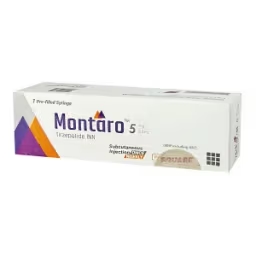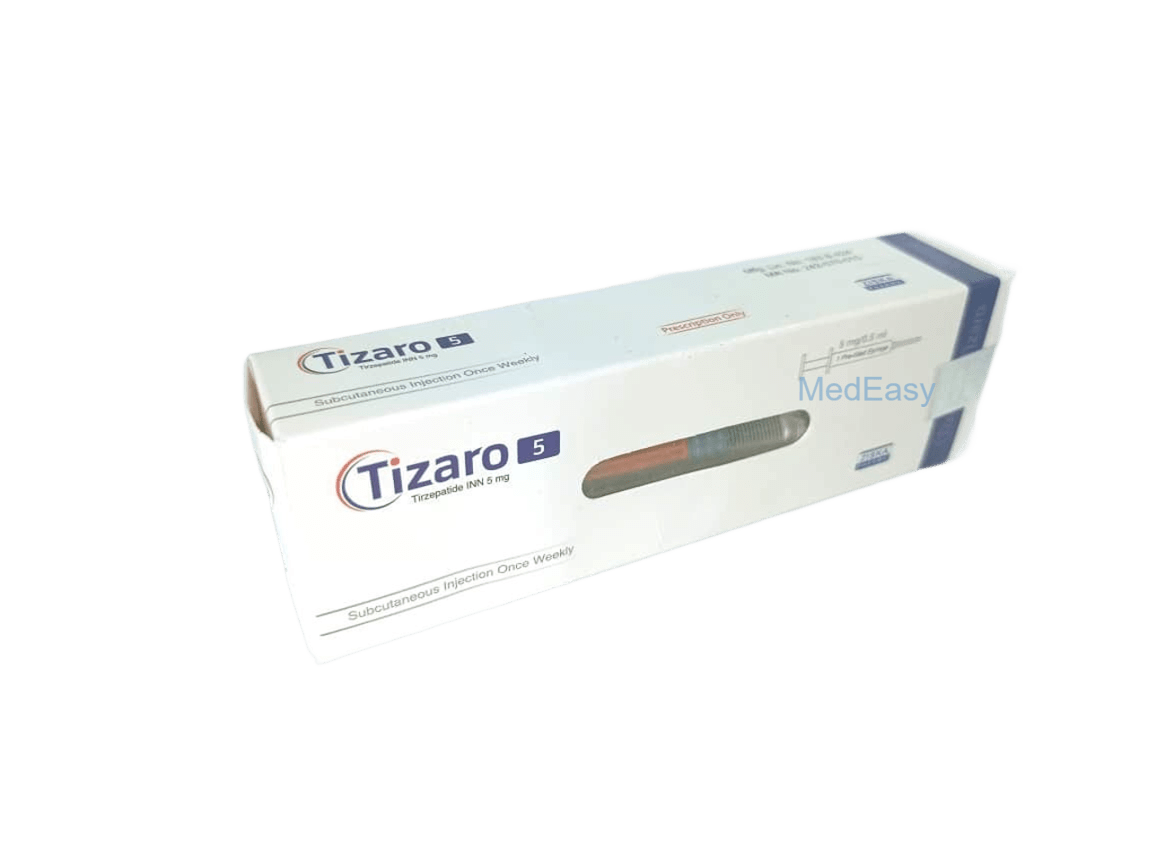
Generic medicine

Tirzepatide: Brands, Price & Uses in Bangladesh

Established / FDA-Approved Uses Type 2 diabetes mellitus: Tirzepatide is indicated as an adjunct to diet and exercise to improve glycemic control in adults and pediatric patients 10 years of age and…

Forms:SC Injection

About Tirzepatide

Indications of Tirzepatide

Established / FDA-Approved Uses

  • Type 2 diabetes mellitus: Tirzepatide is indicated as an adjunct to diet and exercise to improve glycemic control in adults and pediatric patients 10 years of age and older with type 2 diabetes mellitus.
  • Chronic weight management: Tirzepatide is indicated, in combination with a reduced-calorie diet and increased physical activity, for chronic weight management in adults with obesity (BMI ≥30 kg/m²), or overweight (BMI ≥27 kg/m²) with at least one weight-related comorbid condition (e.g., hypertension, dyslipidaemia, type 2 diabetes, or cardiovascular disease).
  • Moderate-to-severe obstructive sleep apnea (OSA): Tirzepatide is indicated, together with a reduced-calorie diet and increased physical activity, to treat moderate-to-severe OSA in adults with obesity.

Important Notes on Use

  • Tirzepatide is not indicated for type 1 diabetes mellitus.
  • Tirzepatide should not be combined with other Tirzepatide-containing products or any other GLP-1 receptor agonist.
  • Use of Tirzepatide for weight loss purely for cosmetic reasons without a qualifying comorbidity or BMI criterion is not an approved indication.

Dosage & Administration of Tirzepatide

Type 2 Diabetes (Adults and Pediatrics ≥10 years)

StepDoseDuration
Starting dose2.5 mg subcutaneously once weekly4 weeks (initiation; not for glycemic control)
TitrationIncrease by 2.5 mg incrementsEvery 4 weeks, based on response/tolerability
Maintenance (diabetes)5 mg, 7.5 mg, 10 mg, 12.5 mg, or 15 mg once weeklyOngoing
Maximum dose15 mg once weekly—

Chronic Weight Management / OSA (Adults)

StepDoseDuration
Starting dose2.5 mg subcutaneously once weekly4 weeks
TitrationIncrease by 2.5 mg incrementsEvery 4 weeks as tolerated
Maintenance (weight/OSA)5 mg to 15 mg once weekly (OSA typically requires 10-15 mg)Ongoing
Maximum dose15 mg once weekly—

Administration Instructions

  • Inject subcutaneously into the abdomen, thigh, or upper arm; rotate injection sites with each dose.
  • May be administered at any time of day, with or without food.
  • If a dose is missed and it has been less than 4 days (96 hours), administer as soon as possible; if more than 4 days have passed, skip the missed dose and resume the regular weekly schedule.
  • Do not switch between different Tirzepatide presentations (vial vs. pen) without physician/pharmacist guidance on the correct technique.
  • Renal or hepatic impairment: no dose adjustment is generally required, but renal function should be monitored if gastrointestinal adverse reactions causing dehydration occur.
  • Tirzepatide must be prescribed and dose-titrated by a physician experienced in its use; do not self-adjust the dose.

Side Effects of Tirzepatide

Very Common / Common

  • Nausea (most common, especially during dose escalation)
  • Diarrhea
  • Decreased appetite
  • Vomiting
  • Constipation
  • Dyspepsia (indigestion)
  • Abdominal pain
  • Injection site reactions (redness, itching, swelling)
  • Fatigue
  • Belching, flatulence

Less Common but Serious

  • Acute pancreatitis
  • Hypoglycemia (particularly when combined with insulin or sulfonylureas)
  • Gallbladder disease, including cholelithiasis (gallstones) and cholecystitis
  • Acute kidney injury (usually secondary to dehydration from severe GI effects)
  • Hypersensitivity reactions, including anaphylaxis and angioedema
  • Worsening of diabetic retinopathy complications in patients with pre-existing retinopathy on insulin

Most gastrointestinal side effects of Tirzepatide are dose-related, occur mainly during dose escalation, and tend to diminish over time. Patients should seek prompt medical attention for severe or persistent abdominal pain, signs of an allergic reaction, or symptoms of low blood sugar.

Contraindications of Tirzepatide

  • Known hypersensitivity to Tirzepatide or any of its excipients (history of serious reactions such as anaphylaxis or angioedema).
  • Personal or family history of medullary thyroid carcinoma (MTC).
  • Patients with Multiple Endocrine Neoplasia syndrome type 2 (MEN 2).

Frequently Asked Questions about Tirzepatide

What is Tirzepatide used for?

Tirzepatide is used to improve blood sugar control in adults and children 10 years and older with type 2 diabetes, and separately for long-term weight management in adults with obesity or overweight with a related health condition, as well as for moderate-to-severe obstructive sleep apnea in adults with obesity. It is always used alongside diet, exercise, and lifestyle changes, not as a replacement for them.

How is Tirzepatide given?

Tirzepatide is given as a subcutaneous (under the skin) injection once a week, in the abdomen, thigh, or upper arm, with the injection site rotated each time. The starting dose is 2.5 mg weekly, and your physician will gradually increase the dose every 4 weeks based on how you respond, up to a maximum of 15 mg weekly.

What are the most common side effects of Tirzepatide?

The most common side effects of Tirzepatide are gastrointestinal: nausea, diarrhea, vomiting, constipation, indigestion, decreased appetite, and abdominal pain. These are usually most noticeable when starting the medicine or after a dose increase, and often improve over time.

Who should not use Tirzepatide?

Tirzepatide should not be used by anyone with a personal or family history of medullary thyroid carcinoma (a type of thyroid cancer), by patients with Multiple Endocrine Neoplasia syndrome type 2 (MEN 2), or by anyone with a known serious allergy to Tirzepatide or its ingredients. In animal studies, Tirzepatide caused thyroid C-cell tumors, so patients should promptly report any neck lump, hoarseness, or difficulty swallowing.

Can Tirzepatide be used during pregnancy or breastfeeding?

Tirzepatide is not recommended during pregnancy because of potential effects on fetal growth associated with maternal weight loss, and it should generally be stopped if pregnancy occurs; consult a physician immediately. Limited data exist on Tirzepatide use during breastfeeding, so it should be used only if the potential benefit to the mother clearly justifies any potential risk to the infant, under a physician's guidance.

Is it safe to combine Tirzepatide with insulin or other diabetes medicines?

Tirzepatide can be combined with insulin or sulfonylureas under medical supervision, but this combination increases the risk of low blood sugar (hypoglycemia); your physician may need to lower the dose of insulin or the sulfonylurea and ask you to monitor your blood glucose more closely while using Tirzepatide.

Disclaimer

The information provided is accurate to the best of our knowledge, but it does not replace professional medical advice. We cannot guarantee its completeness or accuracy, and the absence of specific information about a drug should not be taken as an endorsement. We are not responsible for any consequences arising from this information, so please consult a healthcare professional for any concerns or questions.

DoctorBlogArticles