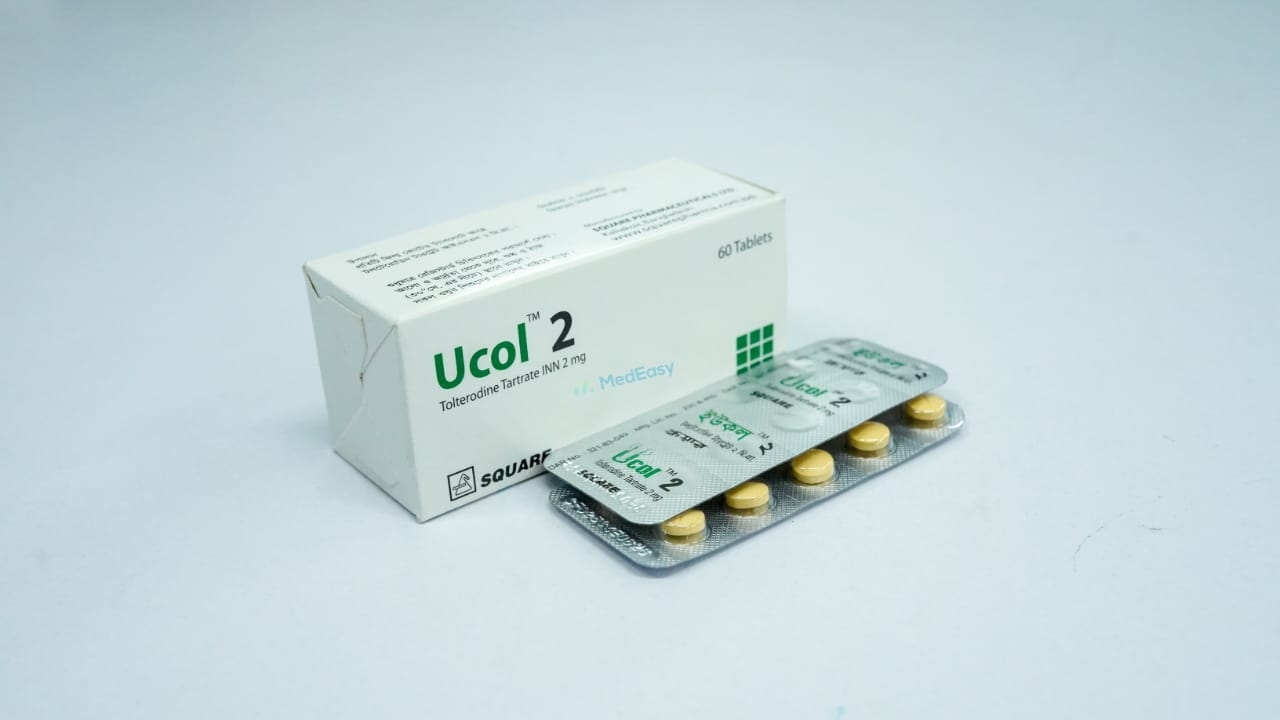
Generic medicine

Tolterodine Tartrate: Brands, Price & Uses in Bangladesh

Tolterodine Tartrate is an antimuscarinic (anticholinergic) agent approved for the treatment of overactive bladder (OAB) .

Forms:TabletCapsule

About Tolterodine Tartrate

Indications of Tolterodine Tartrate

Tolterodine Tartrate is an antimuscarinic (anticholinergic) agent approved for the treatment of overactive bladder (OAB).

Established / FDA-approved use

  • Treatment of overactive bladder in adults with symptoms of urinary urgency, frequency, and urge incontinence.

Tolterodine Tartrate is not indicated for stress urinary incontinence or for children, and it has no established role as an adjunct or combination therapy for other conditions.

Dosage & Administration of Tolterodine Tartrate

Dosage by formulation (overactive bladder)

FormulationUsual adult doseNotes
Immediate-release (IR) tablet2 mg twice daily; may be reduced to 1 mg twice daily based on individual response and tolerabilityTake with or without food
Extended-release (ER) capsule4 mg once daily; may be reduced to 2 mg once daily based on individual response and tolerabilitySwallow whole; do not chew or open

Hepatic impairment

In patients with significant hepatic impairment, the recommended dose of Tolterodine Tartrate is the lower dose (1 mg twice daily for IR, or 2 mg once daily for ER).

Renal impairment

In patients with significantly reduced renal function, the recommended dose of Tolterodine Tartrate is the lower dose (1 mg twice daily for IR, or 2 mg once daily for ER).

Concomitant strong CYP3A4 inhibitors

When Tolterodine Tartrate is co-administered with a potent CYP3A4 inhibitor, the lower dose should be used (see Drug Interactions).

Pediatric use

Safety and efficacy of Tolterodine Tartrate in children have not been established; it is not recommended for pediatric use.

Side Effects of Tolterodine Tartrate

The most common adverse effect of Tolterodine Tartrate, consistent with its anticholinergic mechanism, is:

  • Dry mouth (very common)
  • Constipation
  • Blurred vision / accommodation difficulty
  • Dizziness
  • Headache
  • Dry eyes
  • Dyspepsia / abdominal discomfort
  • Urinary retention (uncommon, more likely with pre-existing bladder outlet obstruction)

Less common but clinically important effects

Tolterodine Tartrate can cause a dose-related prolongation of the QT interval (see Interactions and Precautions). Confusion, memory impairment, and other cognitive effects have been reported, particularly in elderly patients, due to the drug's anticholinergic burden.

Contraindications of Tolterodine Tartrate

Tolterodine Tartrate is contraindicated in patients with:

  • Known hypersensitivity to tolterodine, fesoterodine, or any component of the formulation.
  • Urinary retention.
  • Gastric retention.
  • Uncontrolled narrow-angle (angle-closure) glaucoma.

Frequently Asked Questions about Tolterodine Tartrate

What is Tolterodine Tartrate used for?

Tolterodine Tartrate is used to treat overactive bladder, helping to reduce sudden urges to urinate, frequent urination, and involuntary urine leakage (urge incontinence).

How should I take Tolterodine Tartrate?

Extended-release capsules of Tolterodine Tartrate should be swallowed whole, once daily, and should not be chewed or opened. Immediate-release tablets are usually taken twice daily, with or without food, about 12 hours apart. Always follow your physician's specific instructions.

What are the most common side effects of Tolterodine Tartrate?

The most common side effect of Tolterodine Tartrate is dry mouth. Other effects can include constipation, blurred vision, dizziness, and headache. Contact your physician if side effects are bothersome or persistent.

Who should not take Tolterodine Tartrate?

Tolterodine Tartrate should not be used by people with urinary retention, gastric retention, uncontrolled narrow-angle glaucoma, or a known hypersensitivity to tolterodine or its components.

Can Tolterodine Tartrate be taken during pregnancy?

Tolterodine Tartrate should be used during pregnancy only if clearly needed and if the potential benefit justifies the potential risk to the baby. Always consult your physician before using Tolterodine Tartrate if you are pregnant or breastfeeding.

Does Tolterodine Tartrate interact with other medicines?

Yes. Tolterodine Tartrate can interact with strong CYP3A4 or CYP2D6 inhibitors (such as ketoconazole or fluoxetine), other anticholinergic medicines, and drugs that prolong the QT interval. Tell your physician about all medicines you are taking before starting Tolterodine Tartrate.

Disclaimer

The information provided is accurate to the best of our knowledge, but it does not replace professional medical advice. We cannot guarantee its completeness or accuracy, and the absence of specific information about a drug should not be taken as an endorsement. We are not responsible for any consequences arising from this information, so please consult a healthcare professional for any concerns or questions.
DoctorBlogArticles
