Generic medicine

Topiramate: Brands, Price & Uses in Bangladesh

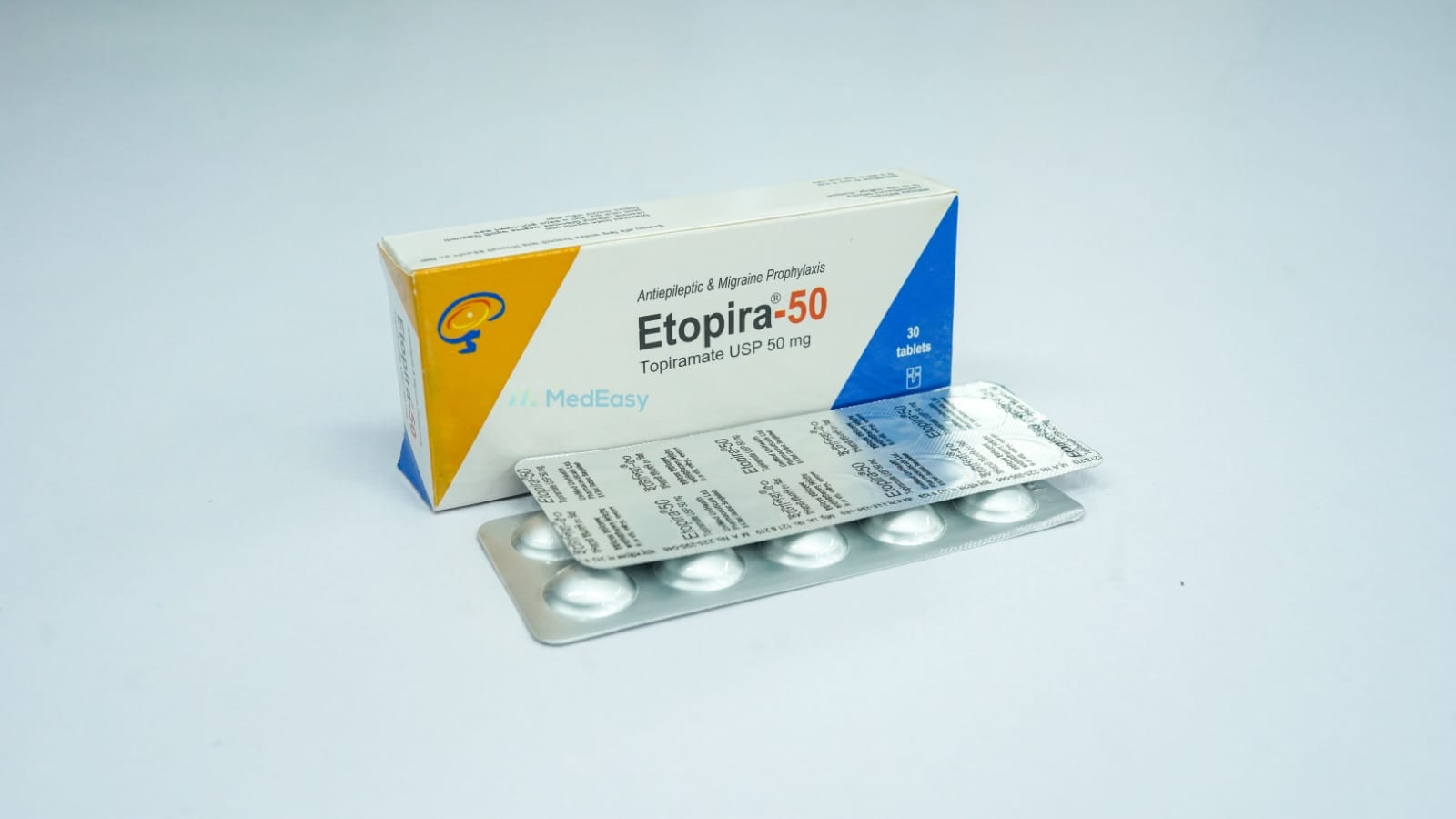
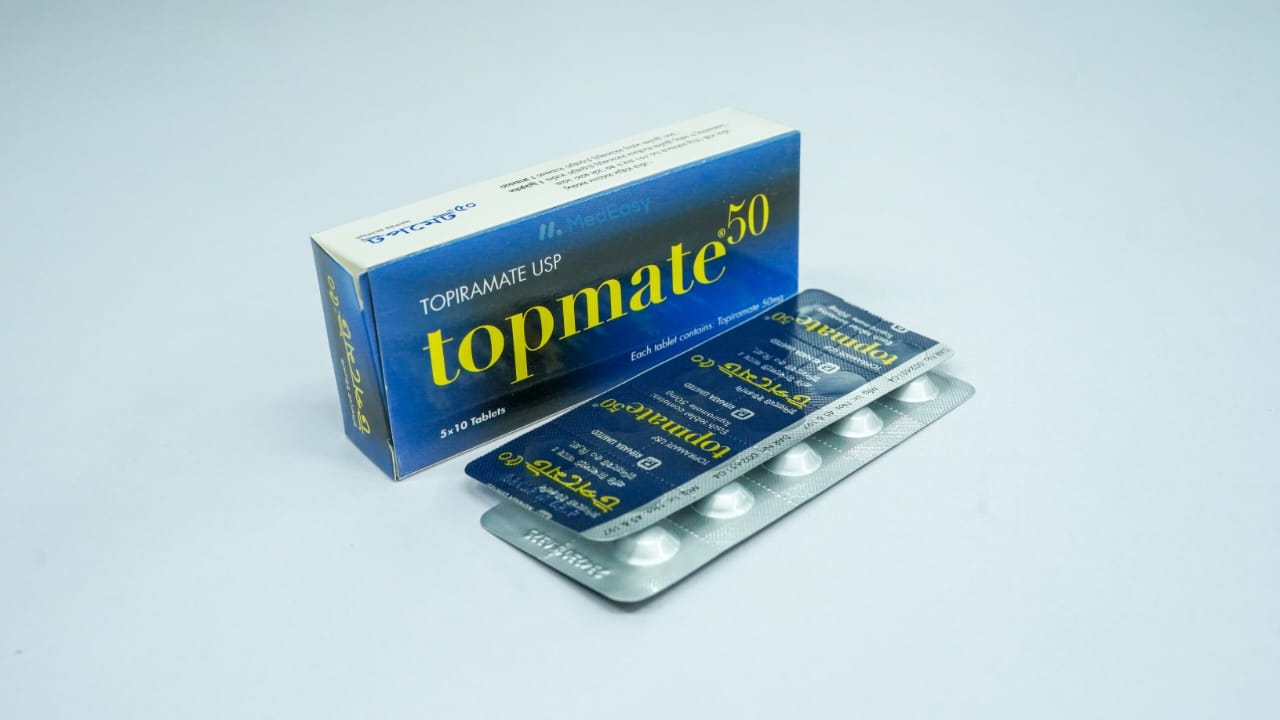
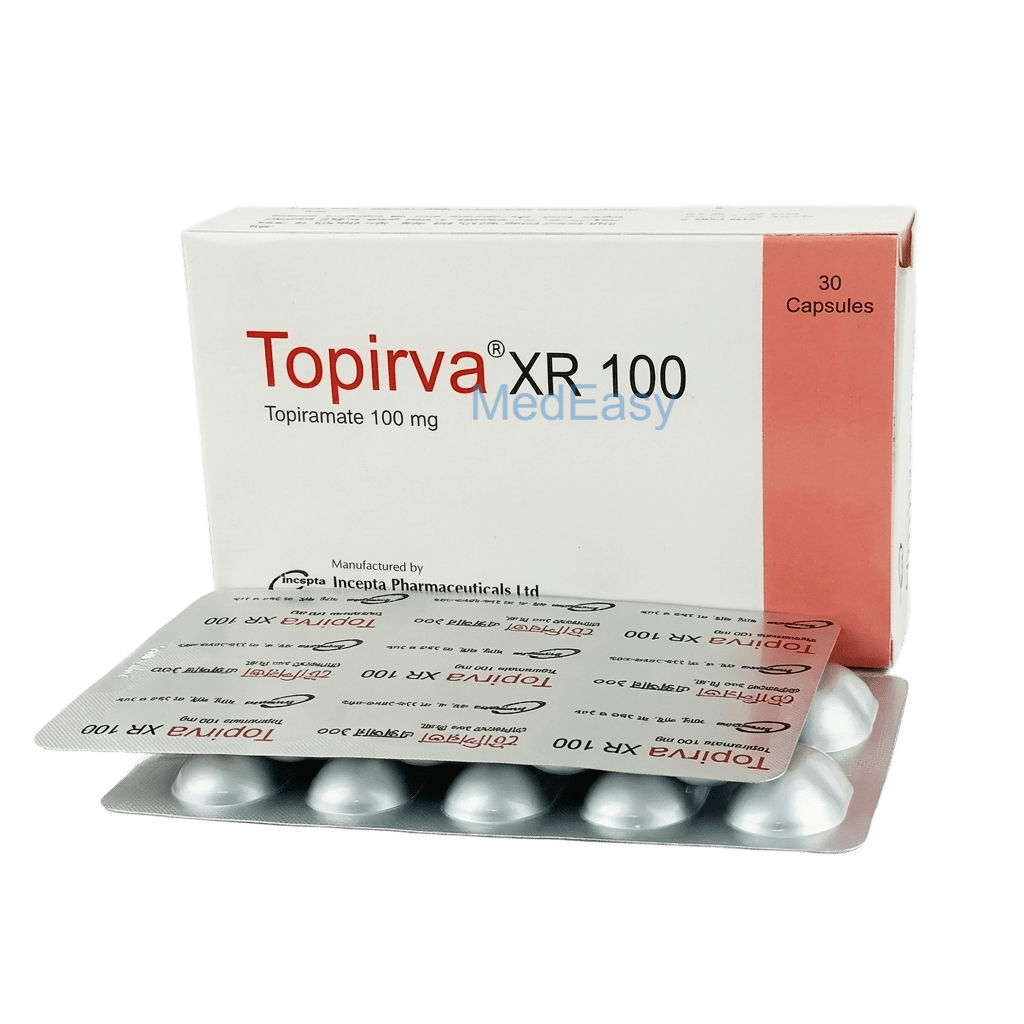
Topiramate is an anticonvulsant (antiepileptic) medicine with the following evidence-based indications: Established / FDA-approved uses Epilepsy - monotherapy: Initial monotherapy in patients 2…

Forms:TabletCapsule (Extended Release)

About Topiramate

Indications of Topiramate

Topiramate is an anticonvulsant (antiepileptic) medicine with the following evidence-based indications:

Established / FDA-approved uses

  • Epilepsy - monotherapy: Initial monotherapy in patients 2 years of age and older with partial-onset or primary generalized tonic-clonic seizures.
  • Epilepsy - adjunctive therapy: As add-on therapy in patients 2 years of age and older for partial-onset seizures, primary generalized tonic-clonic seizures, and seizures associated with Lennox-Gastaut syndrome.
  • Migraine prophylaxis: Prevention of migraine headache in adults and adolescents 12 years and older. Topiramate is not indicated for acute treatment of a migraine attack.

Off-label / combination use

  • Topiramate is used off-label, in fixed-dose combination with phentermine, for chronic weight management in adults with obesity or overweight with weight-related comorbidities, as an adjunct to diet and exercise. This use requires combination therapy and specialist supervision; it is not indicated as monotherapy for weight loss.
  • Other off-label uses reported in the literature (e.g., cluster headache prevention, essential tremor, certain mood/impulse-control disorders) are not FDA-approved and should only be considered under specialist guidance.

Dosage & Administration of Topiramate

Epilepsy - Monotherapy (Adults and children ≥10 years)

Initiate at 25 mg once daily in the evening for one week, then titrate gradually (weekly or biweekly increments) to a target maintenance dose of 100 mg twice daily (200 mg/day), as tolerated. Some patients may require higher doses.

Epilepsy - Adjunctive Therapy (Adults)

Initiate at 25-50 mg/day, titrated weekly by 25-50 mg increments to a usual maintenance dose of 200-400 mg/day in two divided doses.

Epilepsy - Adjunctive Therapy (Children 2-16 years)

Weight-based initial dosing (approximately 1-3 mg/kg/day at bedtime), titrated gradually over several weeks to a target maintenance dose of approximately 5-9 mg/kg/day in two divided doses, guided by clinical response and tolerability.

Migraine Prophylaxis (Adults and adolescents ≥12 years)

Initiate at 25 mg nightly for one week, then increase by 25 mg/day at weekly intervals to a usual target dose of 100 mg/day in two divided doses. Slower titration may reduce cognitive and other adverse effects.

IndicationTypical Starting DoseTypical Maintenance Dose
Epilepsy monotherapy25 mg once daily200 mg twice daily (up to higher doses if needed)
Epilepsy adjunctive (adult)25-50 mg/day200-400 mg/day divided
Epilepsy adjunctive (pediatric)1-3 mg/kg/day5-9 mg/kg/day divided
Migraine prophylaxis25 mg nightly100 mg/day divided

Renal Impairment

In patients with moderate to severe renal impairment (creatinine clearance ≤70 mL/min/1.73m²), a 50% reduction of the usual starting and maintenance dose is recommended, with slower titration. Supplemental doses may be needed after hemodialysis.

Hepatic Impairment

Use with caution in moderate to severe hepatic impairment, as clearance may be reduced.

Administration

May be taken with or without food. Tablets should be swallowed whole (avoid breaking, as they have a bitter taste); sprinkle capsules may be swallowed whole or opened and sprinkled onto a small amount of soft food and swallowed immediately without chewing. Maintain adequate hydration during treatment, particularly in hot weather or with physical activity, to reduce the risk of kidney stones. Topiramate should not be stopped abruptly; discontinuation should be gradual, under medical supervision, to minimize the risk of increased seizure frequency.

Side Effects of Topiramate

Common and important adverse effects of Topiramate include:

Common

  • Paresthesia (tingling of the extremities)
  • Fatigue, drowsiness, dizziness
  • Cognitive and psychomotor slowing - difficulty with concentration, memory, and word-finding (a distinguishing feature of this medicine, sometimes referred to informally by patients as feeling "foggy," though this is not a clinical term)
  • Decreased appetite and weight loss
  • Nausea, taste alteration (especially with carbonated beverages)

Serious - require prompt medical attention

  • Acute myopia with secondary angle-closure glaucoma: A rare but serious ocular syndrome, typically occurring within the first month of use, presenting as acute onset of blurred vision and/or eye pain. This is a medical emergency; Topiramate should be discontinued as rapidly as possible under a physician's guidance if this occurs, to prevent permanent vision loss.
  • Metabolic acidosis: Topiramate can cause hyperchloremic, non-anion gap metabolic acidosis due to renal bicarbonate loss. This may be asymptomatic or present with hyperventilation, fatigue, or anorexia. Chronic untreated acidosis may contribute to nephrolithiasis (kidney stones), reduced bone density (osteoporosis/osteomalacia), and, in children, may affect growth. Periodic monitoring of serum bicarbonate is recommended.
  • Suicidal thoughts or behavior: As with other antiepileptic drugs as a class, Topiramate is associated with a small increased risk of suicidal ideation or behavior. Patients and caregivers should be alert to mood changes, unusual behavior, or emergence of suicidal thoughts, and report these immediately.
  • Oligohidrosis and hyperthermia: Decreased sweating leading to elevated body temperature, which can be serious, especially in children exposed to high ambient temperatures or during vigorous exercise. Adequate hydration and avoidance of excessive heat exposure are advised.
  • Kidney stones: Increased risk of nephrolithiasis; adequate fluid intake is recommended to reduce risk.
  • Mood changes, depression, and irritability.

Contraindications of Topiramate

Topiramate is contraindicated in patients with known hypersensitivity to Topiramate or any component of the formulation. It is also contraindicated for the prevention of migraine in patients with metabolic acidosis, given the drug's own well-established risk of causing or worsening metabolic acidosis. When used in the fixed-dose combination with phentermine for weight management, additional contraindications specific to that combination (e.g., pregnancy, hyperthyroidism, glaucoma, concurrent MAO inhibitor use) apply and should be reviewed separately for that product.

Frequently Asked Questions about Topiramate

What is Topiramate used for?

Topiramate is primarily used to treat epilepsy (as monotherapy or add-on therapy for certain seizure types) and to prevent migraine headaches in adults. It is also used off-label, in combination with another medicine, for weight management.

Can Topiramate cause memory or concentration problems?

Yes. Topiramate is well known for causing cognitive side effects such as difficulty concentrating, slowed thinking, and word-finding difficulty. These effects are often dose-related and may improve with slower dose titration; discuss persistent or bothersome symptoms with your physician.

Is Topiramate safe during pregnancy?

Topiramate use in early pregnancy has been linked to an increased risk of cleft lip/palate in the baby and may affect fetal growth. It should only be used in pregnancy if clearly needed and the benefit outweighs the risk, under close medical supervision. Do not stop Topiramate on your own if you become pregnant - talk to your doctor first, since uncontrolled seizures also carry risks.

Does Topiramate affect birth control pills?

Topiramate, especially at higher doses, can reduce the effectiveness of estrogen-containing hormonal contraceptives, increasing the risk of unintended pregnancy. Use an additional barrier method or discuss alternative contraception with your doctor.

What should I do if I get sudden eye pain or blurred vision while taking Topiramate?

Sudden eye pain or vision changes can signal a rare but serious condition (acute myopia with secondary angle-closure glaucoma) caused by Topiramate. Seek immediate medical attention, as Topiramate may need to be stopped urgently to prevent permanent vision damage.

Can I stop taking Topiramate suddenly?

No. Stopping Topiramate abruptly can trigger withdrawal seizures, even in people without epilepsy. Any dose changes or discontinuation of Topiramate should be done gradually and only under a doctor's supervision.

Disclaimer

The information provided is accurate to the best of our knowledge, but it does not replace professional medical advice. We cannot guarantee its completeness or accuracy, and the absence of specific information about a drug should not be taken as an endorsement. We are not responsible for any consequences arising from this information, so please consult a healthcare professional for any concerns or questions.

DoctorBlogArticles