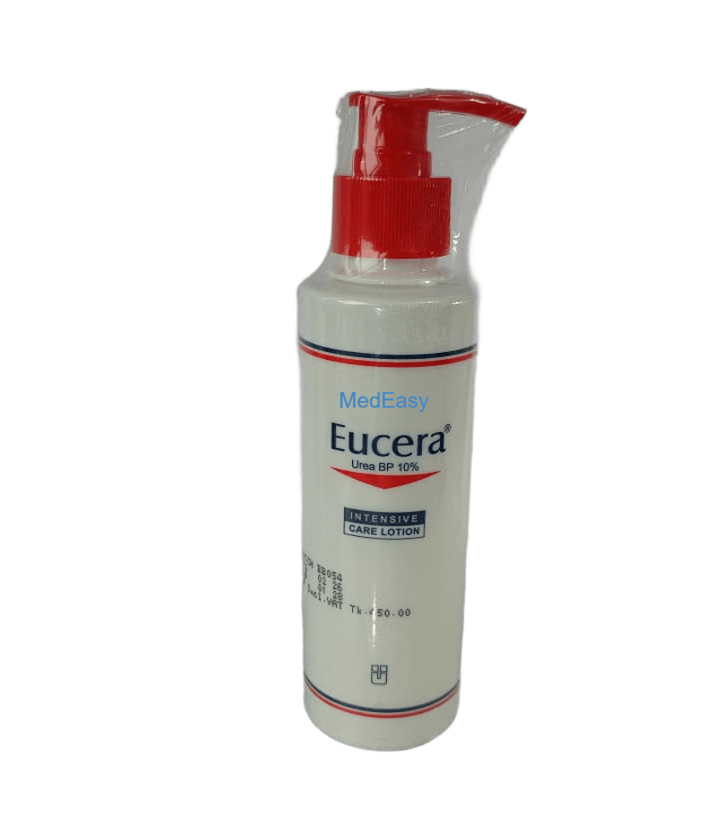
Generic medicine

Urea: Brands, Price & Uses in Bangladesh

Urea is a topical keratolytic and moisturizing (humectant) agent used in dermatology, formulated in various concentrations (typically 10% to 50%) for the management of dry, scaling and more.

Forms:LotionCream

About Urea

Indications of Urea

Urea is a topical keratolytic and moisturizing (humectant) agent used in dermatology, formulated in various concentrations (typically 10% to 50%) for the management of dry, scaling, and thickened skin conditions.

Established Uses (Lower Concentrations, approx. 10-20%)

  • Moisturizing and softening of dry, rough, scaling skin (xerosis)
  • Ichthyosis vulgaris and other hereditary or acquired scaling skin disorders
  • Keratosis pilaris
  • Dry, cracked skin on elbows, heels, and hands

Established Uses (Higher Concentrations, approx. 30-50%)

  • Debridement and softening of hyperkeratotic tissue, including calluses and corns
  • Chemical avulsion (softening/removal) of dystrophic nails, including as an adjunct prior to topical or oral antifungal therapy for onychomycosis (fungal nail infection)

Adjunct / Off-label Uses

  • Adjunct softening agent to improve penetration of other co-applied topical medications on thickened skin
  • Care of dry or fissured diabetic foot skin under medical supervision

Dosage & Administration of Urea

Dosage and application of Urea depend on the concentration of the product and the condition being treated.

ConcentrationIndicationTypical Application
10-20%Dry skin, xerosis, ichthyosis, keratosis pilarisApply a thin layer to the affected skin 1-2 times daily, gently massaging until absorbed
30-40%Calluses, corns, thickened/hyperkeratotic skinApply to the affected area once or twice daily; may be used under occlusion (e.g., a bandage) as directed by a physician to enhance softening
40-50%Nail debridement/chemical avulsion (adjunct in onychomycosis)Apply thickly to the nail plate only (protecting surrounding skin with petroleum jelly or tape), cover with an occlusive dressing, and leave as directed (commonly 7-14 days) under medical supervision before mechanical or chemical debridement

For external use on the skin/nails only. Wash hands after application unless the hands are the area being treated.

Side Effects of Urea

Topical Urea is generally well tolerated. Reported side effects include:

  • Transient stinging, burning, or tingling sensation on application, especially on broken, fissured, or irritated skin, or with higher concentrations
  • Mild redness or itching at the application site
  • Contact dermatitis (uncommon)
  • Dryness or irritation of surrounding healthy skin if higher-concentration products are applied beyond the intended area

Contraindications of Urea

Urea is contraindicated in patients with known hypersensitivity to Urea or to any component of the formulation.

Frequently Asked Questions about Urea

What is Urea cream used for?

Urea is a topical keratolytic and moisturizing agent. Lower-concentration formulations (about 10-20%) are used to moisturize and soften dry, rough, or scaling skin conditions such as xerosis and ichthyosis, while higher-concentration formulations (about 30-50%) are used to soften and remove thickened skin (calluses, corns) and to help soften nails affected by fungal infection before antifungal treatment.

Can I use Urea cream on my face?

Lower-concentration Urea products are sometimes used on facial skin for dryness, but must be kept away from the eyes, lips, and mucous membranes. Higher-concentration debriding formulations are generally not intended for facial use. Always follow your physician's or the product label's specific instructions.

Is Urea safe to use during pregnancy or breastfeeding?

There are no well-controlled human studies of topical Urea during pregnancy or breastfeeding. Because very little is absorbed through intact skin, it is generally considered low-risk, but Urea should be used only if clearly needed, in a limited area, and after consulting a physician; avoid applying it to the breast area while breastfeeding.

How long does it take for Urea to soften a callus or nail?

For calluses and corns, improvement is usually seen within days to a couple of weeks of regular use of Urea. For nail debridement (chemical avulsion) prior to antifungal treatment, higher-concentration Urea is typically applied under occlusion for about 7-14 days as directed by a physician before the softened nail tissue is removed.

Can children use Urea cream?

Low-concentration Urea products are commonly used for children's dry skin conditions under a physician's guidance, but safety and efficacy data in very young children, particularly infants, are limited. Higher-concentration or occlusive nail-debridement use of Urea is generally reserved for older children and adults, and should always be supervised by a physician.

What should I do if Urea causes burning or irritation?

Mild, transient stinging with Urea is common, especially on broken skin or with higher concentrations. If irritation is significant, persistent, or accompanied by redness, swelling, or signs of infection, stop using the product and consult a physician.

Disclaimer

The information provided is accurate to the best of our knowledge, but it does not replace professional medical advice. We cannot guarantee its completeness or accuracy, and the absence of specific information about a drug should not be taken as an endorsement. We are not responsible for any consequences arising from this information, so please consult a healthcare professional for any concerns or questions.
DoctorBlogArticles