Generic medicine

Ursodeoxycholic Acid: Brands, Price & Uses in Bangladesh

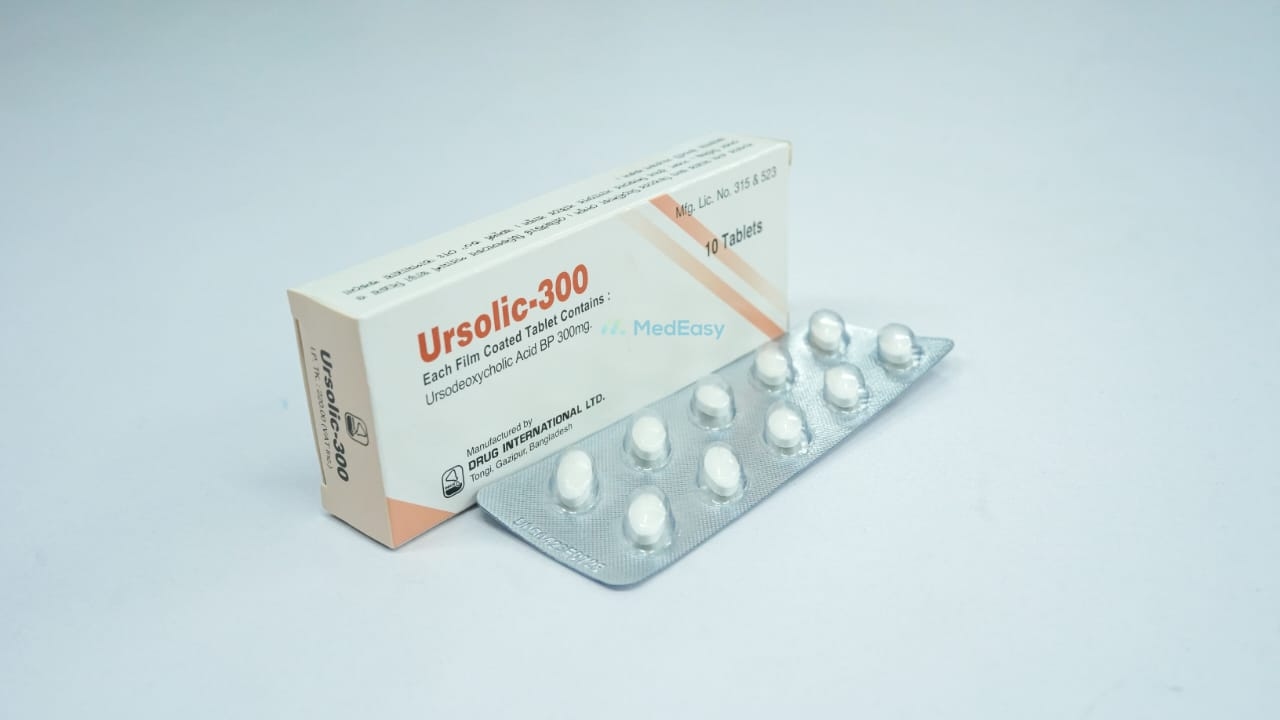
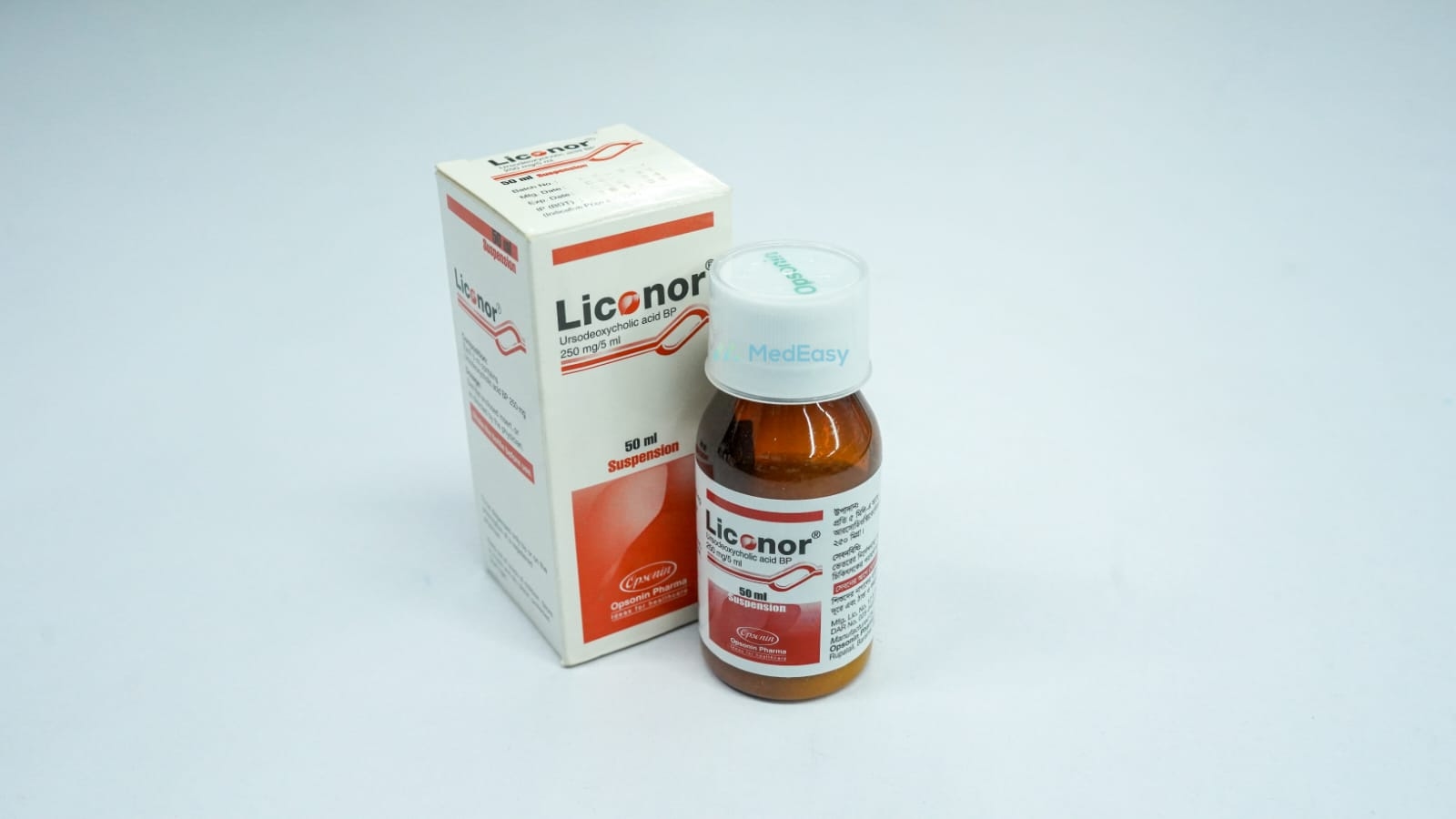
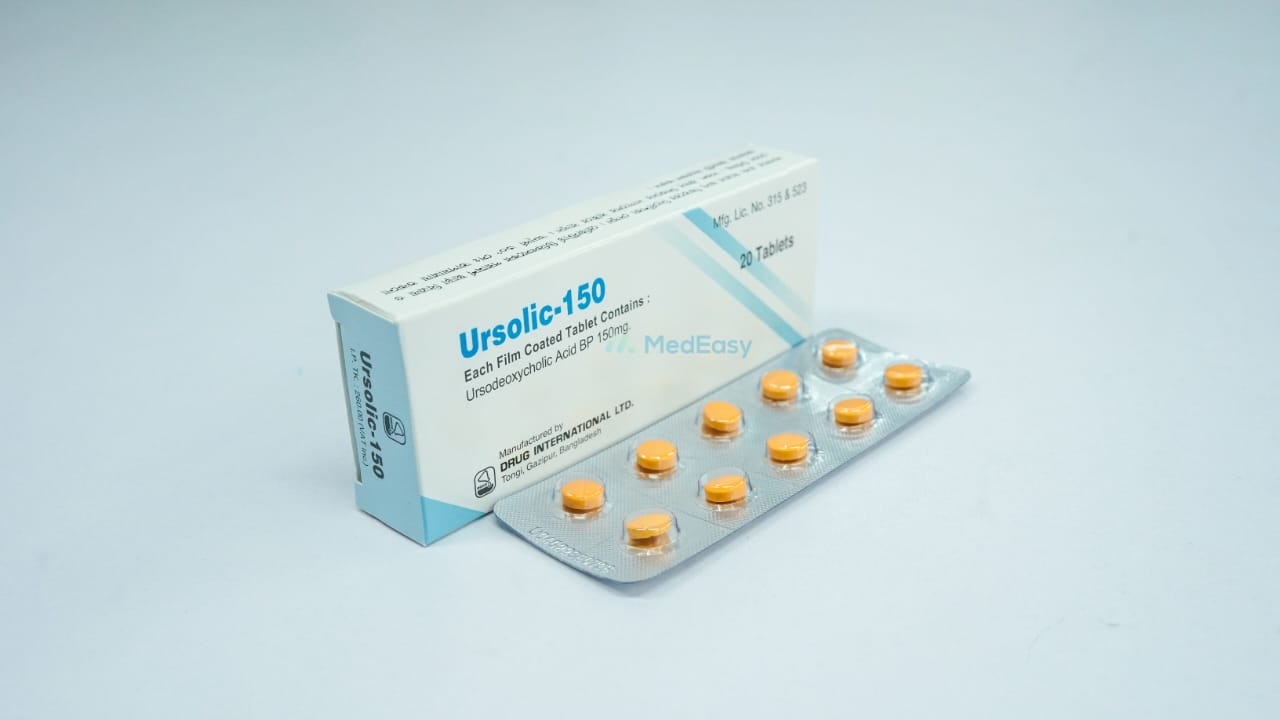
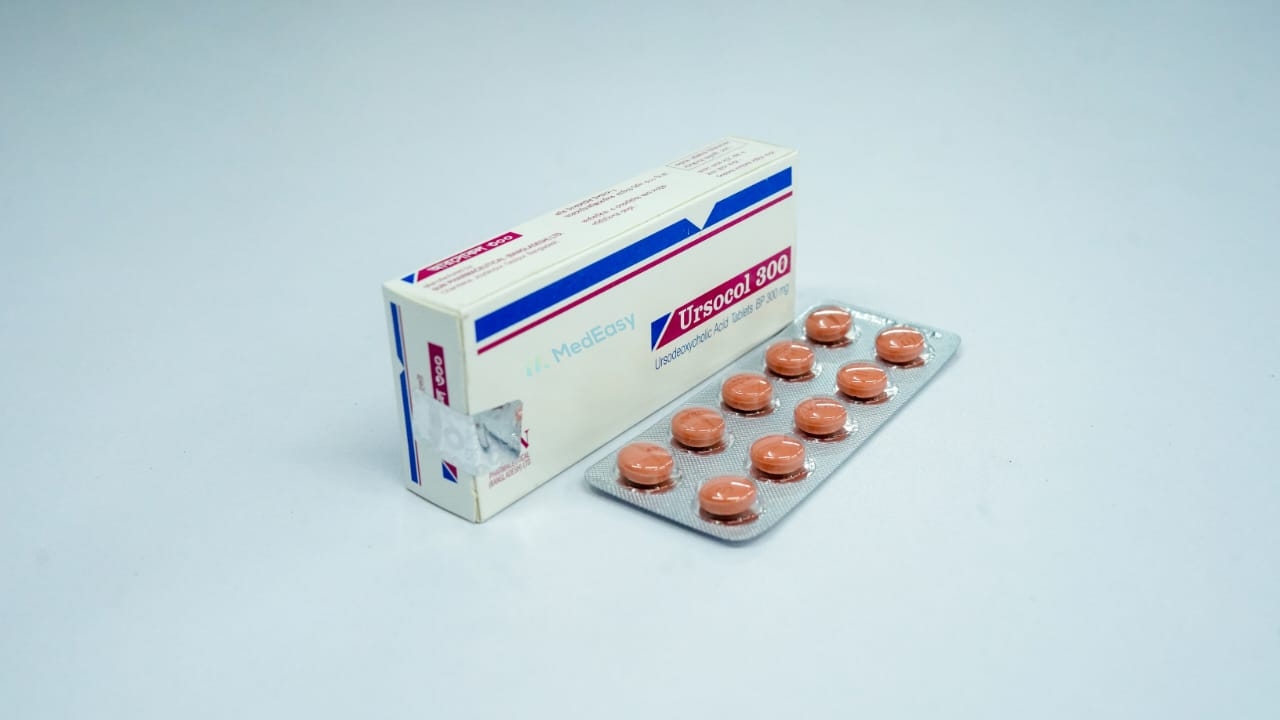
Ursodeoxycholic Acid is a naturally occurring bile acid used for the following established indications: Dissolution of gallstones: Ursodeoxycholic Acid is indicated for the dissolution of small to…

Forms:TabletOral Suspension

About Ursodeoxycholic Acid

Indications of Ursodeoxycholic Acid

Ursodeoxycholic Acid is a naturally occurring bile acid used for the following established indications:

  • Dissolution of gallstones: Ursodeoxycholic Acid is indicated for the dissolution of small to medium-sized radiolucent (non-calcified, cholesterol-rich) gallstones in patients for whom surgery (cholecystectomy) is not an option or is being deferred.
  • Prevention of gallstones during rapid weight loss: Ursodeoxycholic Acid is used to prevent gallstone formation in patients undergoing rapid weight loss, such as after bariatric surgery or very-low-calorie diet programs.
  • Primary biliary cholangitis (PBC), previously called primary biliary cirrhosis: Ursodeoxycholic Acid is indicated to slow disease progression and improve liver biochemistry and survival without liver transplantation in patients with PBC.

Ursodeoxycholic Acid is also used, under specialist guidance, in certain other cholestatic liver conditions (e.g., intrahepatic cholestasis), though such use should be individualized by the treating physician.

Ursodeoxycholic Acid is not a substitute for cholecystectomy when surgery is clinically indicated.

Dosage & Administration of Ursodeoxycholic Acid

Dosing of Ursodeoxycholic Acid is individualized by indication and is generally weight-based. The following are typical adult dosing ranges; the treating physician should determine the exact dose and duration for each patient.

Gallstone dissolution (radiolucent, non-calcified stones):

  • Approximately 8-10 mg/kg/day of Ursodeoxycholic Acid, given in 2-3 divided doses with food.
  • Ultrasound imaging is typically repeated at intervals (e.g., every 6 months) to assess gallstone dissolution; therapy may need to continue for many months.

Prevention of gallstones during rapid weight loss:

  • 600 mg/day of Ursodeoxycholic Acid (300 mg twice daily), started at the beginning of the weight-loss program and continued for its duration, per physician instruction.

Primary biliary cholangitis (PBC):

  • Approximately 13-15 mg/kg/day of Ursodeoxycholic Acid, given in 2-4 divided doses, usually as long-term/lifelong therapy.

Doses of Ursodeoxycholic Acid should be spaced at least 2 hours apart from aluminum-based antacids or bile acid-binding resins such as cholestyramine or colestipol (see Drug Interactions). Do not change the dose or stop Ursodeoxycholic Acid without consulting the prescribing physician.

Side Effects of Ursodeoxycholic Acid

Ursodeoxycholic Acid is generally well tolerated. Reported side effects include:

  • Common: Diarrhea (the most frequently reported effect), abdominal pain, dyspepsia (indigestion), nausea, and headache.
  • Less common: Constipation, dizziness, fatigue, hair thinning, skin rash, itching (pruritus), and metallic or unusual taste.
  • Rare: Calcification of gallstones, and paradoxical worsening of liver function tests in some patients with primary biliary cholangitis, which requires periodic monitoring (see Precautions and Warnings).

Patients should seek medical attention if they notice worsening abdominal pain, jaundice (yellowing of skin/eyes), dark urine, or signs of an allergic reaction while taking Ursodeoxycholic Acid.

Contraindications of Ursodeoxycholic Acid

  • Known hypersensitivity to Ursodeoxycholic Acid, other bile acids, or any component of the formulation.
  • Radiopaque (calcified) gallstones, since Ursodeoxycholic Acid is ineffective at dissolving calcified stones and is not appropriate for this use.
  • Acute cholecystitis.
  • Acute cholangitis.
  • Biliary obstruction (biliary tract obstruction, including complete common bile duct or cystic duct obstruction).
  • Gallstone pancreatitis.
  • Patients who require immediate cholecystectomy.

Ursodeoxycholic Acid is not indicated in certain chronic liver diseases where its use has not been established as beneficial; use should be limited to labeled/established indications under physician supervision.

Frequently Asked Questions about Ursodeoxycholic Acid

1. What is Ursodeoxycholic Acid used for?

Ursodeoxycholic Acid is used to dissolve certain small to medium-sized cholesterol (radiolucent, non-calcified) gallstones in patients who cannot or do not wish to have gallbladder surgery, to prevent gallstones from forming during rapid weight loss, and to treat primary biliary cholangitis (PBC), a chronic liver disease.

2. How long does it take for Ursodeoxycholic Acid to dissolve gallstones?

Gallstone dissolution with Ursodeoxycholic Acid is gradual and can take several months to about 2 years of continuous treatment. Your physician will typically order periodic ultrasound scans (often every 6 months) to check how well the stones are dissolving.

3. Can I take Ursodeoxycholic Acid with antacids?

Aluminum-based antacids can reduce absorption of Ursodeoxycholic Acid. If your physician has prescribed both, take them at least 2 hours apart to avoid reduced effectiveness of Ursodeoxycholic Acid.

4. Is Ursodeoxycholic Acid safe during pregnancy?

Data on Ursodeoxycholic Acid in pregnancy are limited, and it is generally not recommended for routine use in pregnancy. If you are pregnant, planning pregnancy, or breastfeeding, discuss the risks and benefits of Ursodeoxycholic Acid with your physician before starting or continuing treatment.

5. What are the common side effects of Ursodeoxycholic Acid?

The most common side effect of Ursodeoxycholic Acid is diarrhea. Other reported effects include abdominal pain, indigestion, nausea, and headache. Most side effects are mild; contact your physician if you develop worsening abdominal pain, jaundice, or dark urine.

6. Will my gallstones come back after stopping Ursodeoxycholic Acid?

Yes, gallstones can recur in some patients after Ursodeoxycholic Acid is stopped. Your physician may recommend periodic follow-up ultrasounds or, in some cases, continued low-dose therapy to reduce the chance of recurrence.

Disclaimer

The information provided is accurate to the best of our knowledge, but it does not replace professional medical advice. We cannot guarantee its completeness or accuracy, and the absence of specific information about a drug should not be taken as an endorsement. We are not responsible for any consequences arising from this information, so please consult a healthcare professional for any concerns or questions.
DoctorBlogArticles