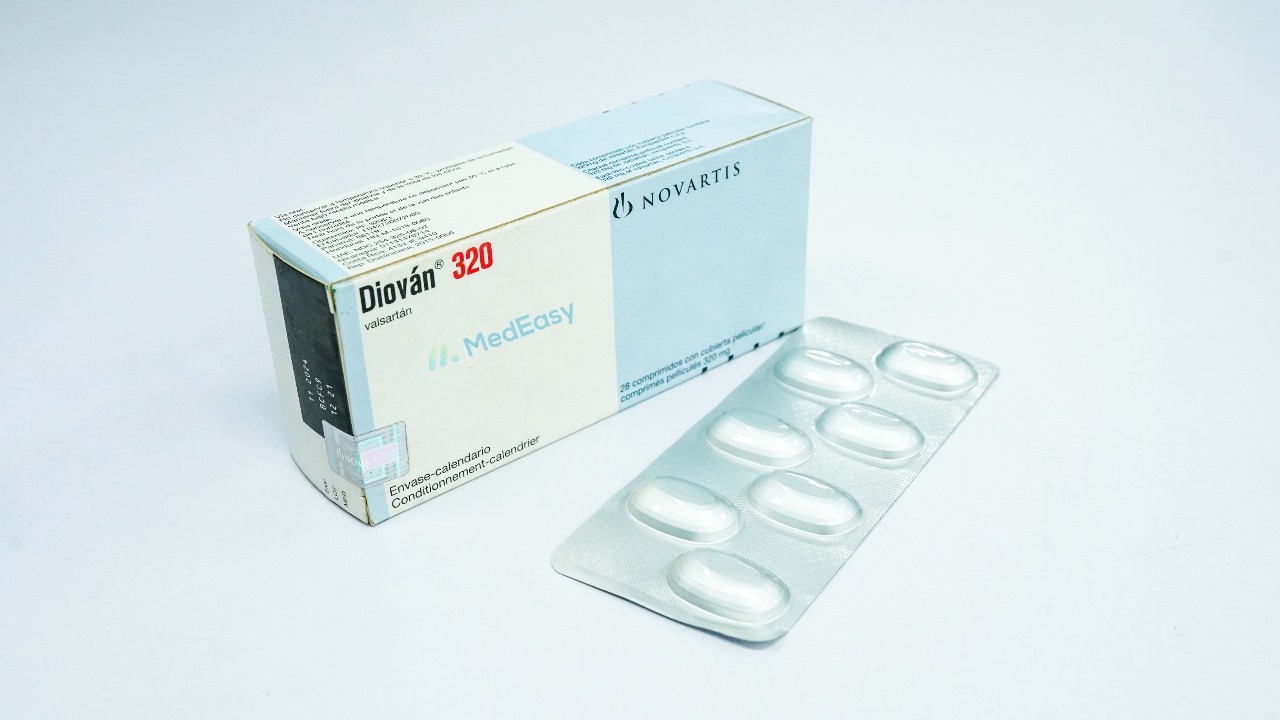
Generic medicine

Valsartan: Brands, Price & Uses in Bangladesh

Valsartan is an angiotensin II receptor blocker (ARB) with the following evidence-based uses: Established / FDA-approved uses Hypertension: Treatment of high blood pressure in adults and children…

Forms:Tablet

About Valsartan

Indications of Valsartan

Valsartan is an angiotensin II receptor blocker (ARB) with the following evidence-based uses:

Established / FDA-approved uses

  • Hypertension: Treatment of high blood pressure in adults and children aged 6 years and older, alone or in combination with other antihypertensive agents.
  • Heart failure: Treatment of symptomatic heart failure (NYHA Class II-IV) in adults who are intolerant of ACE inhibitors or, in some cases, as add-on therapy, to reduce hospitalization for heart failure.
  • Post-myocardial infarction: Treatment of clinically stable patients with left ventricular failure or left ventricular systolic dysfunction following a heart attack, to reduce cardiovascular mortality.

Guideline-supported / adjunct uses

  • As part of combination therapy (e.g., with a diuretic or calcium channel blocker) when blood pressure is not controlled with Valsartan alone.
  • Used off-label in some patients with diabetic kidney disease for its renal-protective (antiproteinuric) effect, although losartan and irbesartan have more extensive outcome-trial data for this specific use.

Valsartan should not be used in patients who are pregnant due to the risk of fetal harm (see Pregnancy and Lactation).

Dosage & Administration of Valsartan

Hypertension (Adults)

ParameterRecommendation
Usual starting dose80 mg or 160 mg once daily
Maintenance/maximum doseUp to 320 mg once daily, depending on response
Onset of effectAntihypertensive effect substantially present within 2 weeks; maximal effect generally by 4 weeks

Heart Failure (Adults)

ParameterRecommendation
Starting dose40 mg twice daily
TitrationIncrease to 80 mg twice daily, then to the target dose of 160 mg twice daily, as tolerated, at intervals of at least 2 weeks

Post-Myocardial Infarction (Adults)

ParameterRecommendation
Starting dose20 mg twice daily, initiated as early as 12 hours after a heart attack
TitrationGradually increase over several weeks to a target dose of 160 mg twice daily, as tolerated

Pediatric Hypertension (6-16 years)

Body weightDose
18 kg to <35 kgStarting dose 40 mg once daily
35 kg to <80 kgStarting dose 80 mg once daily
80 kg to 160 kgStarting dose 160 mg once daily

Doses may be titrated based on blood pressure response, generally not exceeding the adult maximum dose. Use in children under 6 years is not established.

Renal/Hepatic Considerations

No initial dosage adjustment of Valsartan is routinely required in mild-to-moderate renal impairment or mild hepatic impairment, but caution and monitoring are advised. Use in patients with severe hepatic impairment, biliary cirrhosis, or biliary obstruction is not recommended.

Side Effects of Valsartan

Most patients tolerate Valsartan well. Reported adverse effects include:

Common

  • Dizziness or lightheadedness
  • Headache
  • Fatigue
  • Upper respiratory tract infection symptoms
  • Abdominal pain
  • Hyperkalemia (elevated blood potassium)

Less common / serious (seek medical attention)

  • Symptomatic hypotension, especially in volume- or salt-depleted patients
  • Worsening renal function or acute kidney injury, particularly in patients with pre-existing renal impairment or renal artery stenosis
  • Angioedema (swelling of the face, lips, tongue, or throat) — rare but requires immediate discontinuation and emergency care
  • Rare cases of elevated liver enzymes or hepatic dysfunction
  • Rare cases of decreased hemoglobin/hematocrit or neutropenia

Contraindications of Valsartan

Valsartan is contraindicated in the following situations:

  • Known hypersensitivity to Valsartan or any component of the formulation.
  • Pregnancy — Valsartan can cause fetal harm, including injury and death, when used during the second and third trimesters (see Pregnancy and Lactation).
  • Concomitant use with aliskiren in patients with diabetes mellitus.

Frequently Asked Questions about Valsartan

What is Valsartan used for?

Valsartan is mainly used to treat high blood pressure (hypertension), symptomatic heart failure, and to improve survival in clinically stable patients after a heart attack with reduced heart function.

How should I take Valsartan?

Valsartan should be taken exactly as prescribed by your physician, usually once or twice daily, with or without food, at the same time(s) each day. Do not stop taking it suddenly without consulting your doctor, even if you feel well, since high blood pressure often has no symptoms.

Can I take Valsartan during pregnancy?

No. Valsartan is contraindicated during pregnancy because it can cause serious harm or death to the developing fetus, especially if used in the second or third trimester. If you become pregnant or are planning pregnancy while taking Valsartan, contact your physician immediately so your treatment can be changed.

What are the common side effects of Valsartan?

Common side effects of Valsartan include dizziness, headache, fatigue, and elevated blood potassium levels. Serious but rare effects include very low blood pressure, worsening kidney function, and angioedema (swelling of the face, lips, tongue, or throat), which requires immediate emergency medical attention.

Can Valsartan be taken with ACE inhibitors like ramipril or enalapril?

Combining Valsartan with an ACE inhibitor is generally not recommended because it increases the risk of high potassium levels, low blood pressure, and kidney problems, without providing additional benefit. Always inform your physician about all medicines you are taking.

What should I do if I miss a dose or take too much Valsartan?

If you miss a dose of Valsartan, take it as soon as you remember unless it is almost time for your next dose; do not double the dose. If you suspect an overdose, which can cause severe low blood pressure and a fast or slow heartbeat, seek immediate medical attention or contact a poison control center right away.

Disclaimer

The information provided is accurate to the best of our knowledge, but it does not replace professional medical advice. We cannot guarantee its completeness or accuracy, and the absence of specific information about a drug should not be taken as an endorsement. We are not responsible for any consequences arising from this information, so please consult a healthcare professional for any concerns or questions.

DoctorBlogArticles