
Generic medicine

Vancomycin Hydrochloride: Brands, Price & Uses in Bangladesh

Vancomycin Hydrochloride is a glycopeptide antibiotic used for two very different clinical purposes depending on the route of administration: Intravenous (IV) form - established/FDA-approved uses…

Forms:IV InfusionCapsule

About Vancomycin Hydrochloride

Indications of Vancomycin Hydrochloride

Vancomycin Hydrochloride is a glycopeptide antibiotic used for two very different clinical purposes depending on the route of administration:

Intravenous (IV) form - established/FDA-approved uses

  • Treatment of serious or severe infections caused by susceptible strains of methicillin-resistant Staphylococcus aureus (MRSA) and other susceptible gram-positive organisms, including bacteremia, infective endocarditis, bone and joint infections (osteomyelitis), skin and soft-tissue infections, and pneumonia, when other antibiotics (e.g., penicillins, cephalosporins) are ineffective, contraindicated, or the patient is allergic to them.
  • Guideline-supported use, often in combination with other antibiotics (e.g., an aminoglycoside), for endocarditis caused by susceptible organisms in penicillin-allergic patients, and for surgical/dental endocarditis prophylaxis in select high-risk, penicillin-allergic patients per current cardiology society guidance.

Oral form - established/FDA-approved use

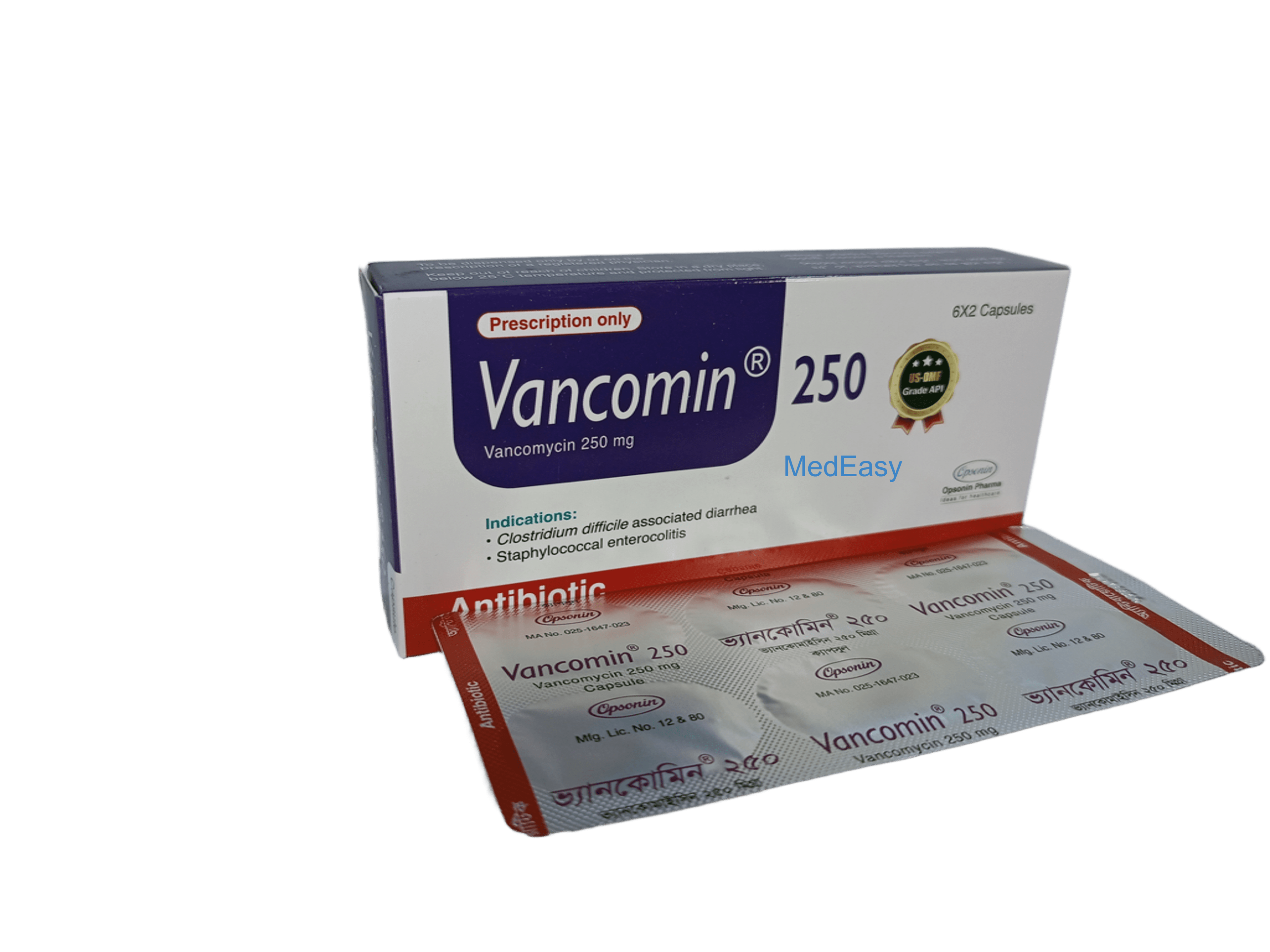
  • Treatment of Clostridioides difficile-associated diarrhea (CDAD) and pseudomembranous colitis caused by C. difficile.
  • Treatment of staphylococcal enterocolitis (including MRSA strains).

Important distinction: Oral Vancomycin Hydrochloride is not effective for systemic (bloodstream, deep tissue) infections because it is minimally absorbed from the gastrointestinal tract. Systemic infections require the intravenous form.

Dosage & Administration of Vancomycin Hydrochloride

Intravenous use (serious systemic infections)

PopulationTypical Dose
AdultsUsual dose 15-20 mg/kg IV every 8-12 hours (based on actual body weight and renal function), infused slowly over at least 60 minutes. Dosing should be individualized and guided by therapeutic drug monitoring (serum trough levels or AUC-guided dosing) per physician/hospital protocol.
Children (excluding neonates)Usual dose 10-15 mg/kg IV every 6 hours, adjusted per weight, age, and clinical response; requires therapeutic drug monitoring.
Neonates/infantsDosed by postmenstrual age and weight under close specialist supervision, with careful monitoring of renal function and serum levels.
Renal impairmentDose and/or dosing interval must be reduced and individualized based on creatinine clearance; serum concentration monitoring is essential.

Oral use (C. difficile-associated diarrhea / staphylococcal enterocolitis)

PopulationTypical Dose
Adults125 mg orally four times daily for 10 days for typical CDAD; up to 500 mg orally four times daily for severe or complicated disease, per physician judgment.
ChildrenApproximately 10 mg/kg per dose (up to adult dose) orally four times daily for 10 days, as directed by the treating physician.

Administration

The IV infusion must be given slowly (over at least 60 minutes, or at a rate not exceeding 10 mg/minute) to reduce the risk of infusion-related reactions ("Red Man Syndrome"). It must never be given as a rapid IV bolus/push. Oral capsules/solution are for gastrointestinal use only and must never be substituted for the IV route in systemic infection.

Take exactly as prescribed by your physician; do not stop, extend, skip doses, or share this medicine with others without medical advice. Completing the full prescribed course is essential to clear the infection and reduce the risk of antibiotic resistance.

Side Effects of Vancomycin Hydrochloride

Serious adverse effects that require prompt medical attention include:

  • Nephrotoxicity: kidney function impairment, especially with prolonged therapy, high doses, pre-existing renal disease, or concurrent nephrotoxic drugs (see Interactions); requires monitoring of renal function and serum drug levels.
  • Ototoxicity: tinnitus and hearing loss, which can be irreversible, particularly with prolonged high-dose therapy or concurrent ototoxic drugs.
  • Infusion-related reaction ("Red Man Syndrome"): flushing, erythema of the face/neck/upper body, pruritus, and sometimes hypotension, related to the rate of IV infusion rather than a true drug allergy in most cases; minimized by slow infusion.

Other reported side effects include phlebitis and pain/irritation at the IV injection site, nausea, chills, drug fever, reversible neutropenia with prolonged use, and rare severe skin reactions (e.g., Stevens-Johnson syndrome, DRESS syndrome). Report any severe rash, breathing difficulty, or swelling immediately.

Contraindications of Vancomycin Hydrochloride

Vancomycin Hydrochloride is contraindicated in patients with known hypersensitivity to vancomycin.

Frequently Asked Questions about Vancomycin Hydrochloride

What is Vancomycin Hydrochloride used for?

Vancomycin Hydrochloride given intravenously is used to treat serious infections caused by resistant gram-positive bacteria, including MRSA, such as bloodstream infections, endocarditis, bone infections, and pneumonia, usually when other antibiotics cannot be used. The oral form of Vancomycin Hydrochloride is used specifically to treat C. difficile-associated diarrhea and is not effective for infections outside the gut.

Can Vancomycin Hydrochloride be taken by mouth for a bloodstream infection?

No. Oral Vancomycin Hydrochloride is poorly absorbed into the bloodstream and only works locally within the gut, so it is used only for gastrointestinal infections like C. difficile colitis. Bloodstream and other systemic infections require the intravenous form of Vancomycin Hydrochloride.

What are the most serious risks of Vancomycin Hydrochloride?

The most important risks of intravenous Vancomycin Hydrochloride are kidney damage (nephrotoxicity), hearing problems including tinnitus or hearing loss (ototoxicity) which can sometimes be permanent, and an infusion-related reaction called "Red Man Syndrome" (flushing, rash, low blood pressure) if the infusion is given too quickly. Your doctor will monitor your kidney function, hearing, and blood drug levels during treatment to reduce these risks.

Why is Vancomycin Hydrochloride infused slowly?

Vancomycin Hydrochloride must be infused slowly, generally over at least 60 minutes, because rapid infusion can trigger "Red Man Syndrome" - flushing, itching, rash, and a drop in blood pressure. Slowing the infusion rate significantly reduces this risk.

Is it safe to use Vancomycin Hydrochloride during pregnancy or breastfeeding?

Vancomycin Hydrochloride should be used during pregnancy only if clearly needed, since the infections it treats are serious and the benefit may outweigh potential risk to the fetus; your physician will monitor you closely. Small amounts pass into breast milk, but absorption by the infant is expected to be minimal; consult your physician before breastfeeding while on this medicine.

Can I stop taking Vancomycin Hydrochloride once I feel better?

No. You should take Vancomycin Hydrochloride exactly as prescribed by your physician and complete the full course, even if you start feeling better. Stopping early, skipping doses, or sharing this medicine with others can allow the infection to return and contributes to antibiotic resistance.

Disclaimer

The information provided is accurate to the best of our knowledge, but it does not replace professional medical advice. We cannot guarantee its completeness or accuracy, and the absence of specific information about a drug should not be taken as an endorsement. We are not responsible for any consequences arising from this information, so please consult a healthcare professional for any concerns or questions.
DoctorBlogArticles