
Generic medicine

Vitamin B1, B6 and B12: Brands, Price & Uses in Bangladesh

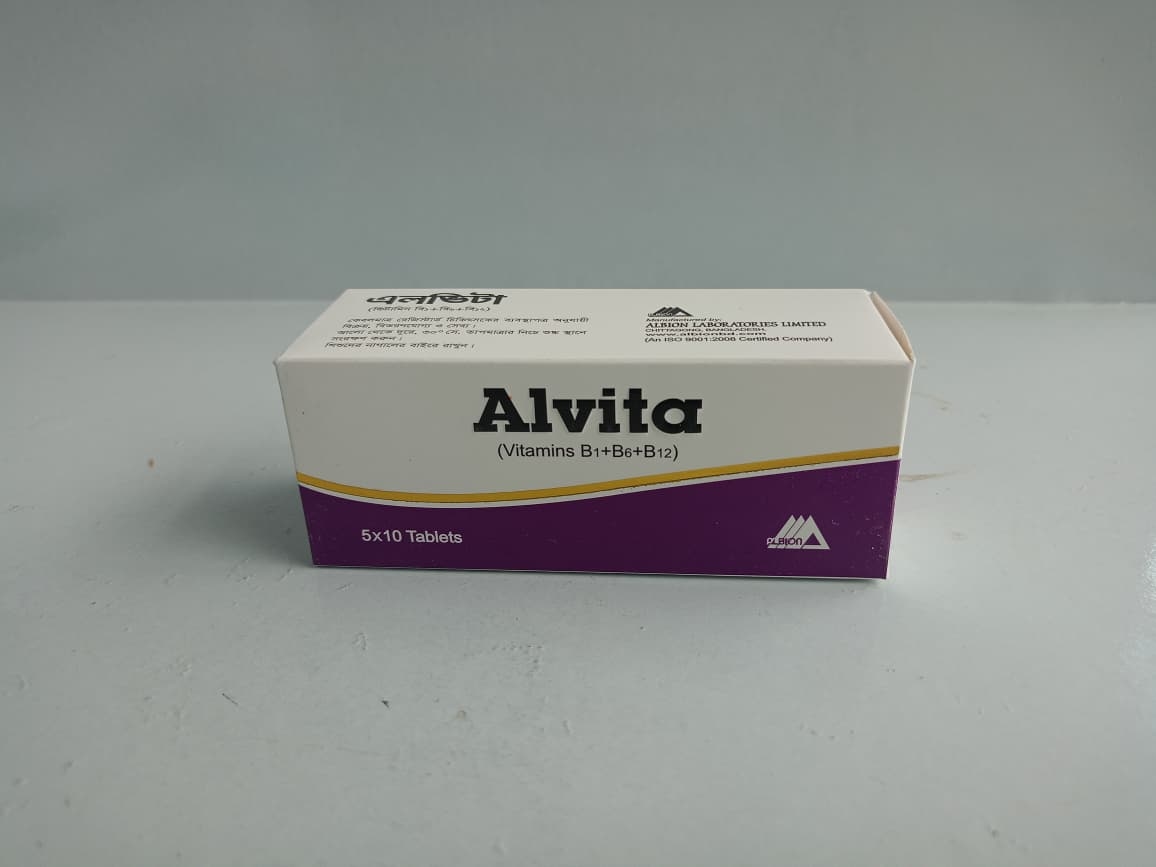
Vitamin B1, B6 and B12 is a combination of three essential water-soluble B-vitamins - thiamine (B1), pyridoxine (B6) and more.

Forms:Tablet

About Vitamin B1, B6 and B12

Indications of Vitamin B1, B6 and B12

Vitamin B1, B6 and B12 is a combination of three essential water-soluble B-vitamins - thiamine (B1), pyridoxine (B6), and cobalamin (B12) - indicated for the following:

Established Uses

  • Prevention and treatment of dietary deficiency or increased requirement of vitamin B1, B6, and B12, including in malabsorption states, poor dietary intake, chronic alcohol use, and certain chronic illnesses.

Guideline-Supported / Adjunct Uses

  • Adjunct symptomatic treatment of peripheral neuropathy and neuralgia (for example, diabetic peripheral neuropathy or alcohol-related neuropathy), used together with treatment directed at the underlying cause, not as a substitute for it.
  • Supportive therapy in neuritis, polyneuritis, and other nerve disorders associated with B-vitamin deficiency or depletion.

Note: Vitamin B1, B6 and B12 is a nutritional supplement/adjunct therapy and does not replace proper medical evaluation and treatment of the underlying cause of neuropathy or deficiency symptoms.

Dosage & Administration of Vitamin B1, B6 and B12

Dosage of Vitamin B1, B6 and B12 depends on the indication, the specific product/brand, and dosage form (oral tablet/capsule or intramuscular injection). The following is general guidance; always follow the product label and physician's instructions.

IndicationTypical Adult Dosing
Nutritional deficiency (maintenance/prevention)One tablet/capsule of Vitamin B1, B6 and B12 once daily, orally, or as directed by the physician.
Symptomatic peripheral neuropathy (adjunct)One tablet/capsule once or twice daily orally, or one intramuscular injection daily to a few times weekly during an initial course, followed by oral maintenance therapy, as directed by the physician.

Pediatric Dose

Use in children should be individualized and supervised by a physician; safety and efficacy of the adjunct neuropathy indication in children are not established. See Use in Special Populations.

Renal/Hepatic Impairment

No well-established formal dose adjustment is required for renal or hepatic impairment at standard supplement doses, but caution and physician supervision are advised in significant renal impairment given reduced clearance of water-soluble vitamins. See Precautions and Warnings.

Side Effects of Vitamin B1, B6 and B12

At standard supplement/deficiency-treatment doses, Vitamin B1, B6 and B12 is generally very well tolerated. Reported side effects are usually mild and may include:

  • Nausea or mild gastrointestinal upset
  • Headache
  • Injection site pain, redness, or induration (with intramuscular injection)
  • Rare hypersensitivity reactions (skin rash, itching; rarely anaphylaxis, more often reported with parenteral thiamine)

See Precautions and Warnings for the risk of peripheral neuropathy associated with prolonged high-dose pyridoxine (B6).

Contraindications of Vitamin B1, B6 and B12

Vitamin B1, B6 and B12 is contraindicated in patients with known hypersensitivity to thiamine, pyridoxine, cobalamin, or any other component of the specific product formulation.

Frequently Asked Questions about Vitamin B1, B6 and B12

What is Vitamin B1, B6 and B12 used for?

Vitamin B1, B6 and B12 is used to prevent or treat deficiency of vitamins B1, B6, and B12, and as an adjunct to relieve symptoms of peripheral neuropathy (such as diabetic neuropathy) alongside treatment of the underlying cause.

Can I take Vitamin B1, B6 and B12 for a long time?

Vitamin B1, B6 and B12 can be used for extended periods for deficiency correction or ongoing neuropathy support, but prolonged high-dose use, especially of vitamin B6, should only be continued under a physician's supervision because of a rare but recognized risk of peripheral nerve symptoms with high-dose, prolonged use.

Is Vitamin B1, B6 and B12 safe during pregnancy?

Vitamin B1, B6 and B12 should be used during pregnancy only if clearly needed and as recommended by a physician, since these vitamins are required nutrients but formal safety data for the combination product, especially at higher doses, are limited. Always consult your doctor before use.

What are the common side effects of Vitamin B1, B6 and B12?

At usual doses, Vitamin B1, B6 and B12 is generally very well tolerated. Mild nausea, headache, or injection-site discomfort (for injectable forms) may occur; allergic reactions are rare.

Can Vitamin B1, B6 and B12 replace treatment for my nerve problem?

No. Vitamin B1, B6 and B12 is an adjunct/supportive therapy and does not replace evaluation and treatment of the underlying cause of neuropathy or deficiency symptoms. If neurological symptoms persist or worsen, see your doctor promptly.

Who should not take Vitamin B1, B6 and B12?

Vitamin B1, B6 and B12 should not be taken by anyone with a known hypersensitivity (allergy) to thiamine, pyridoxine, cobalamin, or any other ingredient in the specific product.

Disclaimer

The information provided is accurate to the best of our knowledge, but it does not replace professional medical advice. We cannot guarantee its completeness or accuracy, and the absence of specific information about a drug should not be taken as an endorsement. We are not responsible for any consequences arising from this information, so please consult a healthcare professional for any concerns or questions.
DoctorBlogArticles