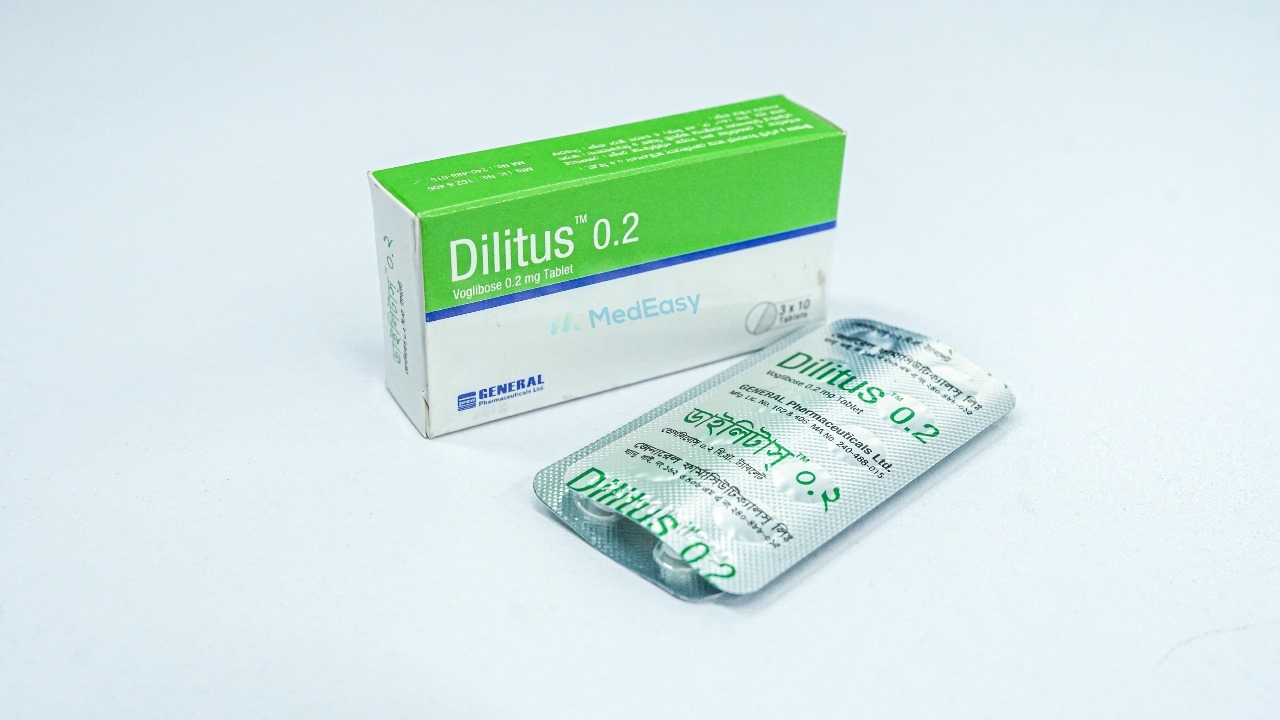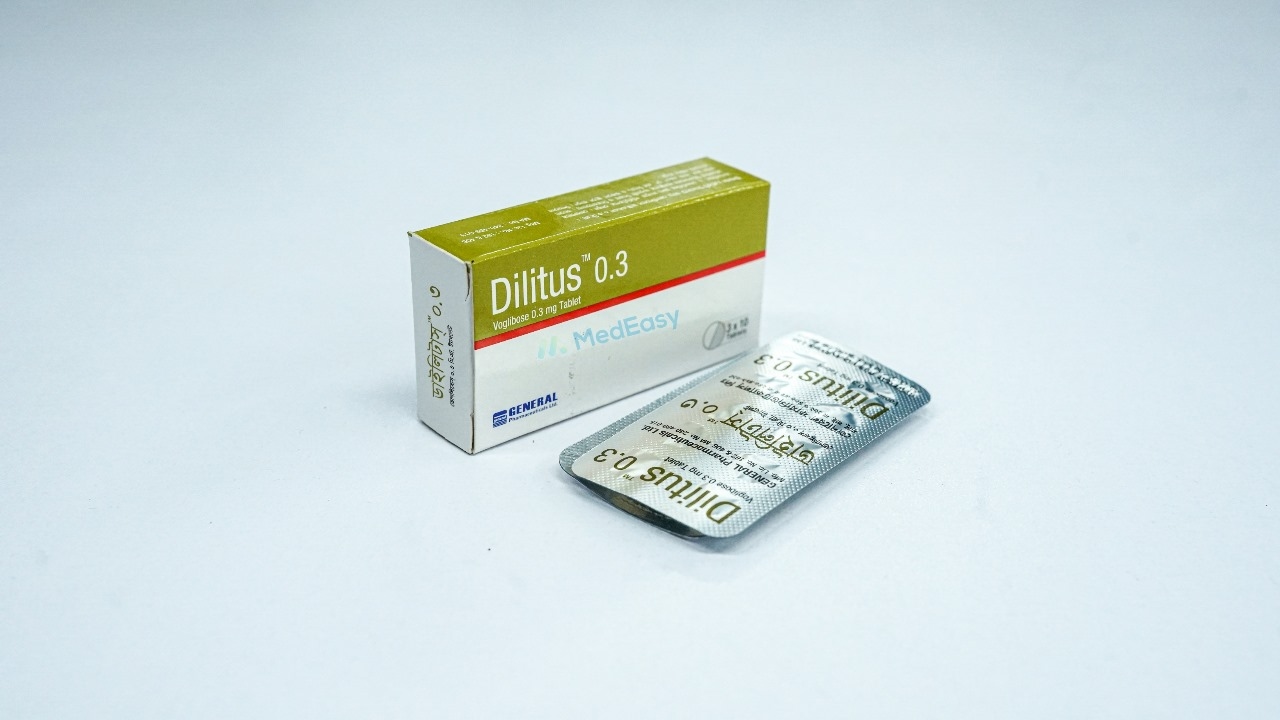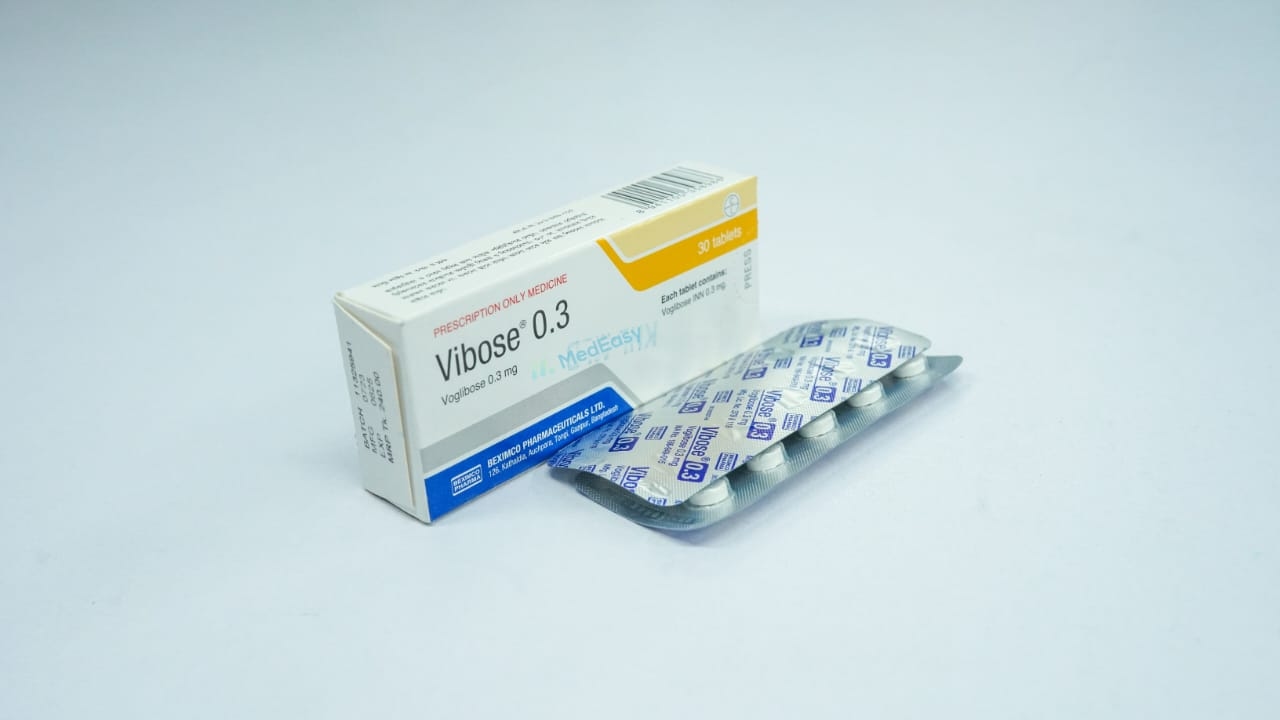
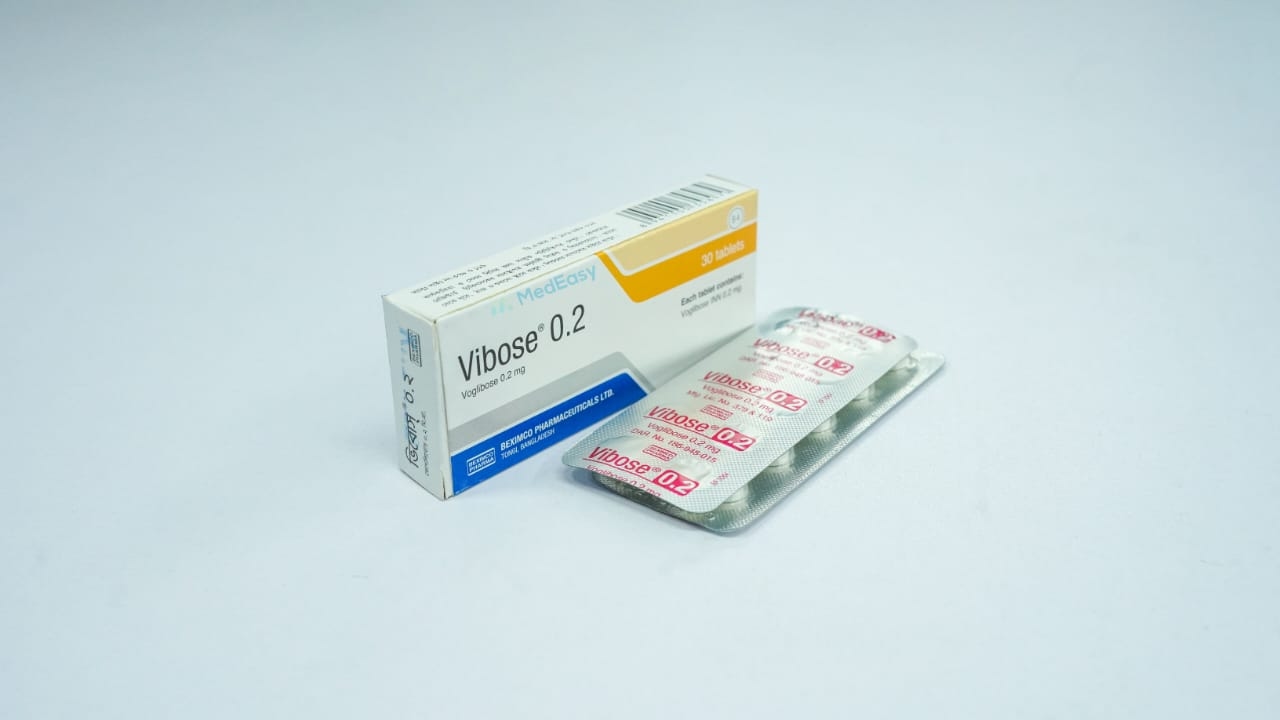
Generic medicine

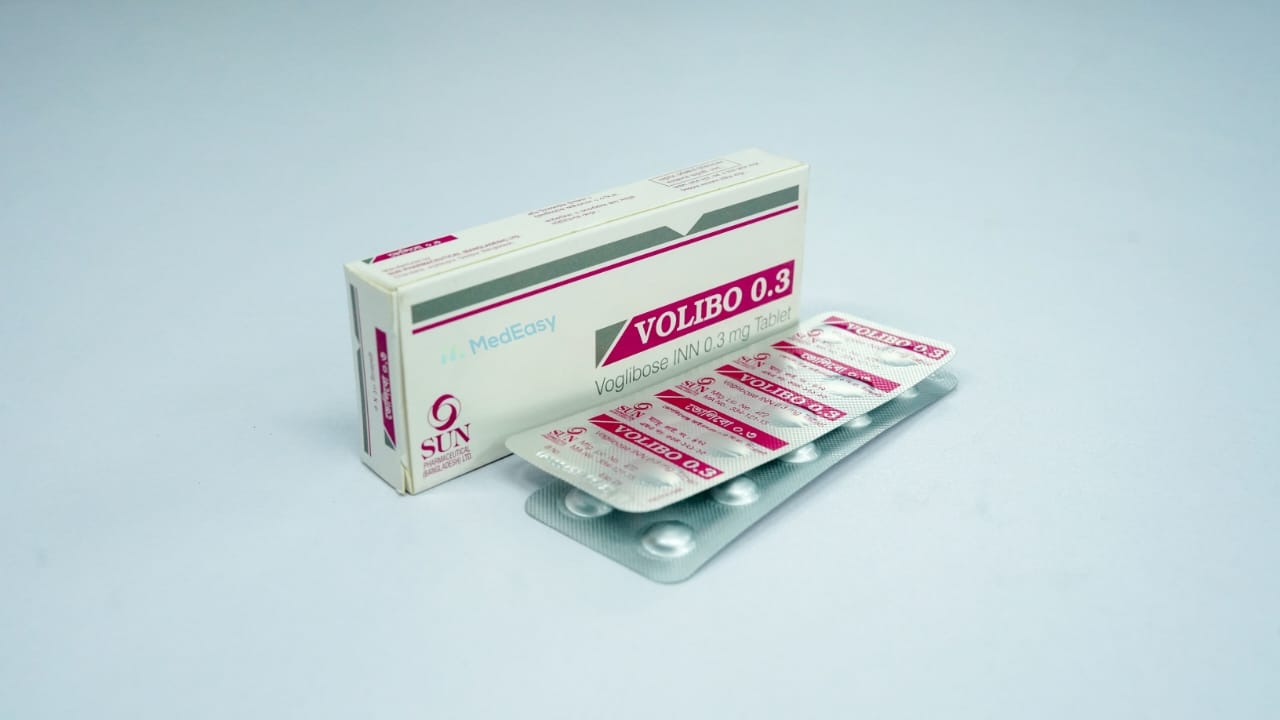
Voglibose: Brands, Price & Uses in Bangladesh

Voglibose is an oral alpha-glucosidase inhibitor used in the management of type 2 diabetes mellitus (T2DM).

Forms:Tablet

About Voglibose

Indications of Voglibose

Voglibose is an oral alpha-glucosidase inhibitor used in the management of type 2 diabetes mellitus (T2DM). Its evidence-based uses are summarized below.

Established / Guideline-supported use

  • Type 2 diabetes mellitus: Voglibose is indicated, alone or in combination with other oral anti-diabetic agents or insulin, to reduce post-prandial (after-meal) blood glucose spikes as part of a comprehensive diabetes management plan that includes diet and exercise.

Combination therapy

  • Voglibose is commonly added to metformin, sulfonylureas, or insulin when post-meal glucose control remains inadequate despite these agents; it complements them by targeting carbohydrate absorption rather than insulin secretion or sensitivity.

Off-label / less established uses

  • Voglibose has been studied for delaying progression from impaired glucose tolerance (IGT) to overt type 2 diabetes, and in reactive (post-prandial) hypoglycemia syndromes. These uses are not universally established and should only be undertaken under specialist supervision.

Voglibose is not a substitute for insulin in type 1 diabetes or in acute metabolic decompensation.

Dosage & Administration of Voglibose

Dosing by indication and population

Population / SituationRecommended Voglibose dose
Adults with type 2 diabetes (initial)0.2 mg orally, three times daily, taken immediately before each main meal
Adults with type 2 diabetes (if response inadequate)May be increased to 0.3 mg three times daily, based on physician assessment after 2–3 months
Elderly patientsConsider starting at a lower dose (e.g. 0.1–0.2 mg) with close blood glucose monitoring
Renal impairmentNo specific dose adjustment is generally required given minimal systemic absorption; use with monitoring in significant renal impairment
Hepatic impairmentUse with caution; periodic liver function monitoring is reasonable (see Precautions)
Pediatric useSafety and efficacy not established (see Pediatric Use)

Important: Voglibose must be taken immediately before meals. It is not effective if taken after a meal, well before a meal, or on an empty stomach without a subsequent meal.

Side Effects of Voglibose

The most common side effects of Voglibose relate to its local action on carbohydrate digestion in the gut:

  • Very common/common: Flatulence (excess intestinal gas), abdominal bloating or distension, and diarrhea or loose stools — these arise from undigested carbohydrate reaching and fermenting in the colon, and often lessen with continued use.
  • Common: Abdominal discomfort/pain, nausea.
  • Uncommon: Constipation.
  • Rare: Elevated liver enzymes, hepatitis, or liver dysfunction (see Precautions); skin rash or hypersensitivity reactions.

Patients should seek medical attention for severe or persistent gastrointestinal symptoms, jaundice, or signs of an allergic reaction.

Contraindications of Voglibose

Voglibose is contraindicated in the following situations (true absolute contraindications):

  • Known hypersensitivity to Voglibose or any component of the formulation.
  • Diabetic ketoacidosis (DKA).
  • Diabetic coma or pre-coma.
  • Severe infection, pre- or post-surgical states, or serious trauma — situations in which insulin therapy, not oral agents, is required for glycemic control.
  • Inflammatory bowel disease.
  • Intestinal obstruction, or a predisposition to intestinal obstruction.
  • Chronic intestinal diseases associated with marked disorders of digestion or absorption.
  • Conditions that may deteriorate due to increased intestinal gas formation (e.g. large hernias).

Frequently Asked Questions about Voglibose

What is Voglibose used for?

Voglibose is used to help control blood glucose levels after meals (post-prandial glucose) in adults with type 2 diabetes, usually alongside diet, exercise, and sometimes other diabetes medicines.

How should I take Voglibose?

Voglibose should be taken immediately before the start of a main meal, exactly as prescribed. Taking it after eating or without a following meal reduces its effectiveness.

Can Voglibose cause low blood sugar (hypoglycemia)?

Voglibose alone does not usually cause hypoglycemia because it does not increase insulin release. However, if it is combined with insulin or sulfonylureas, hypoglycemia can occur; if it does, it must be treated with oral glucose (dextrose) rather than table sugar (sucrose), because Voglibose delays the breakdown of sucrose.

What are the most common side effects of Voglibose?

The most common side effects are gastrointestinal — flatulence, abdominal bloating, and diarrhea — caused by undigested carbohydrate reaching the colon. These often improve as the body adjusts to Voglibose.

Can Voglibose be used during pregnancy or breastfeeding?

The safety of Voglibose in pregnancy and breastfeeding has not been well established. It should only be used in pregnancy or while breastfeeding if a physician determines the potential benefit outweighs the potential risk, since diabetes in pregnancy is usually managed with insulin.

Who should not take Voglibose?

Voglibose should not be used by people with a known allergy to it, diabetic ketoacidosis or diabetic coma/pre-coma, severe infection or recent major surgery/trauma, inflammatory bowel disease, intestinal obstruction or a predisposition to it, chronic digestive/absorption disorders, or conditions worsened by excess intestinal gas such as large hernias.

Disclaimer

The information provided is accurate to the best of our knowledge, but it does not replace professional medical advice. We cannot guarantee its completeness or accuracy, and the absence of specific information about a drug should not be taken as an endorsement. We are not responsible for any consequences arising from this information, so please consult a healthcare professional for any concerns or questions.
DoctorBlogArticles