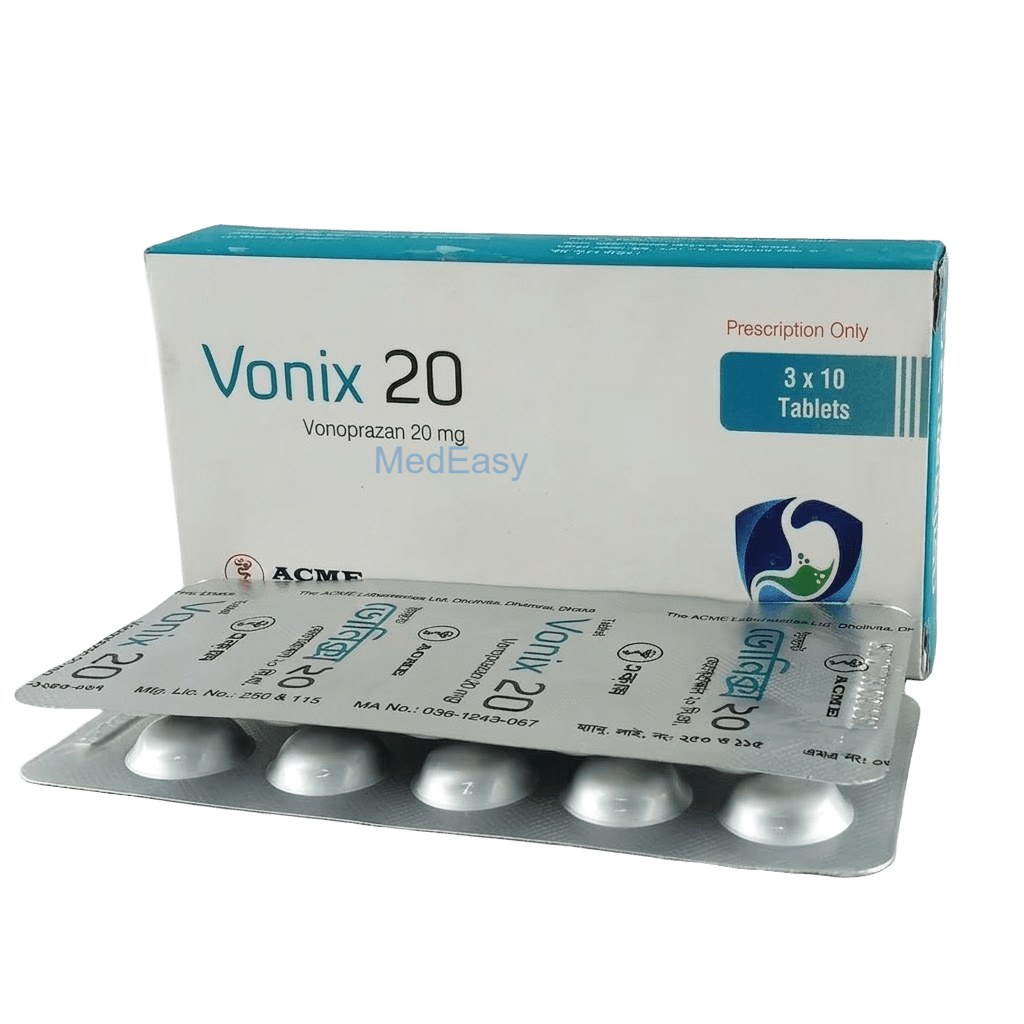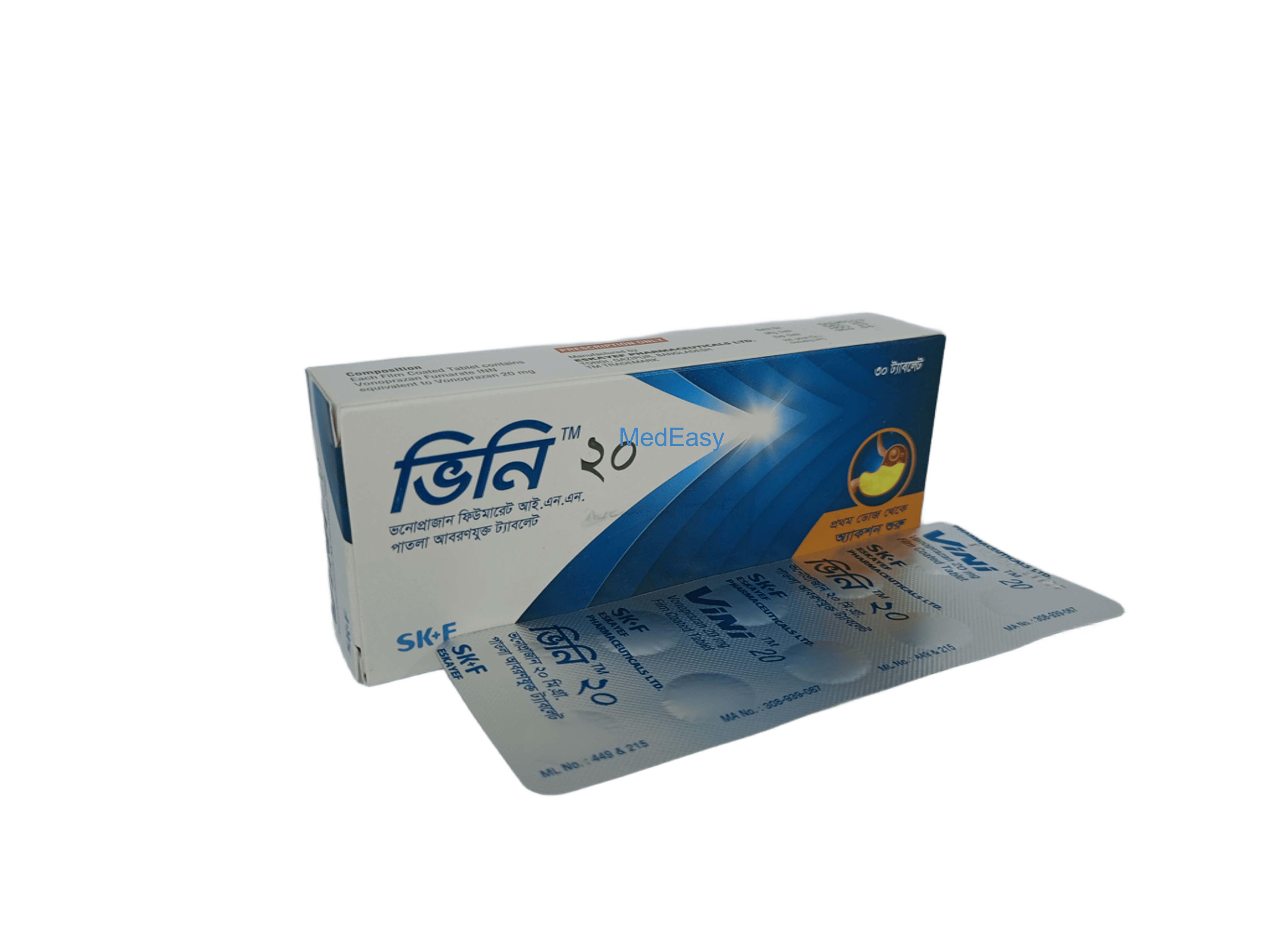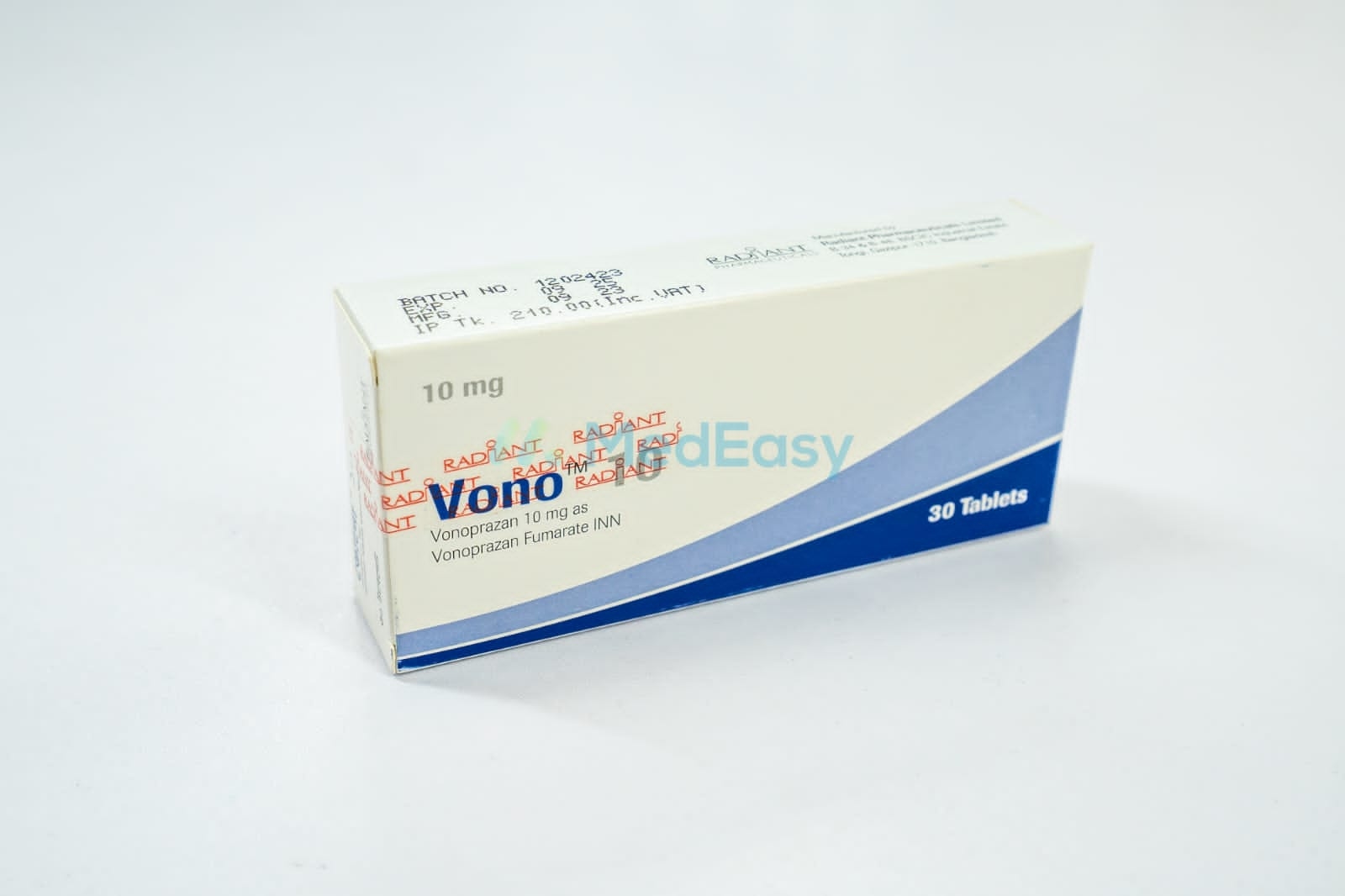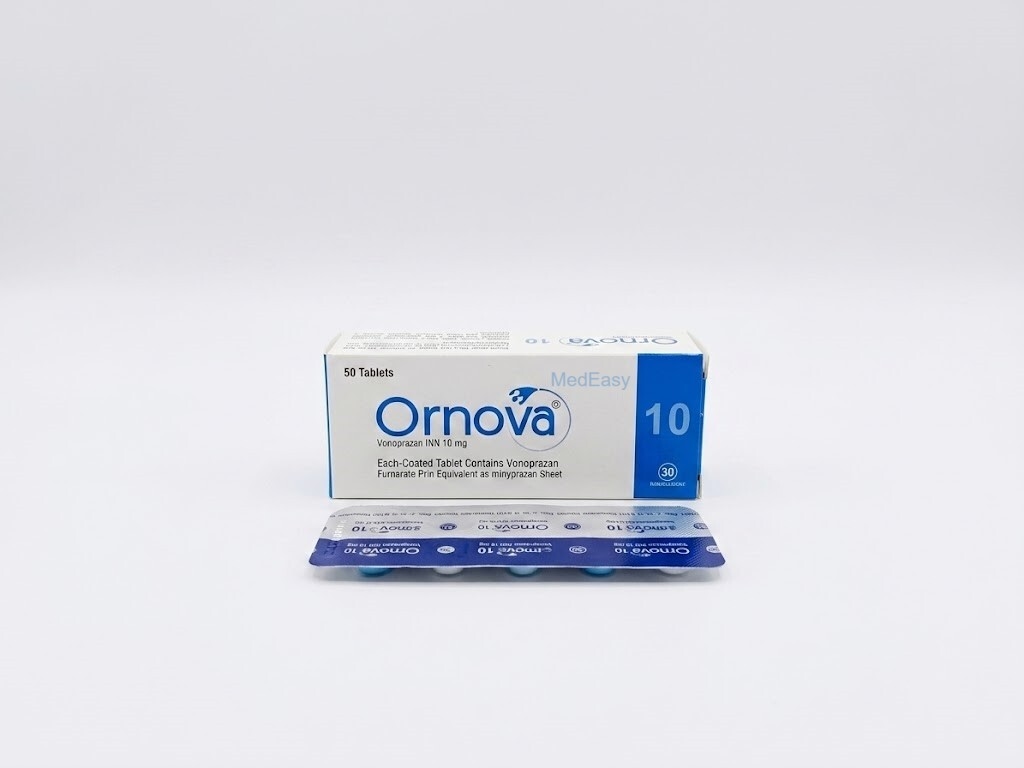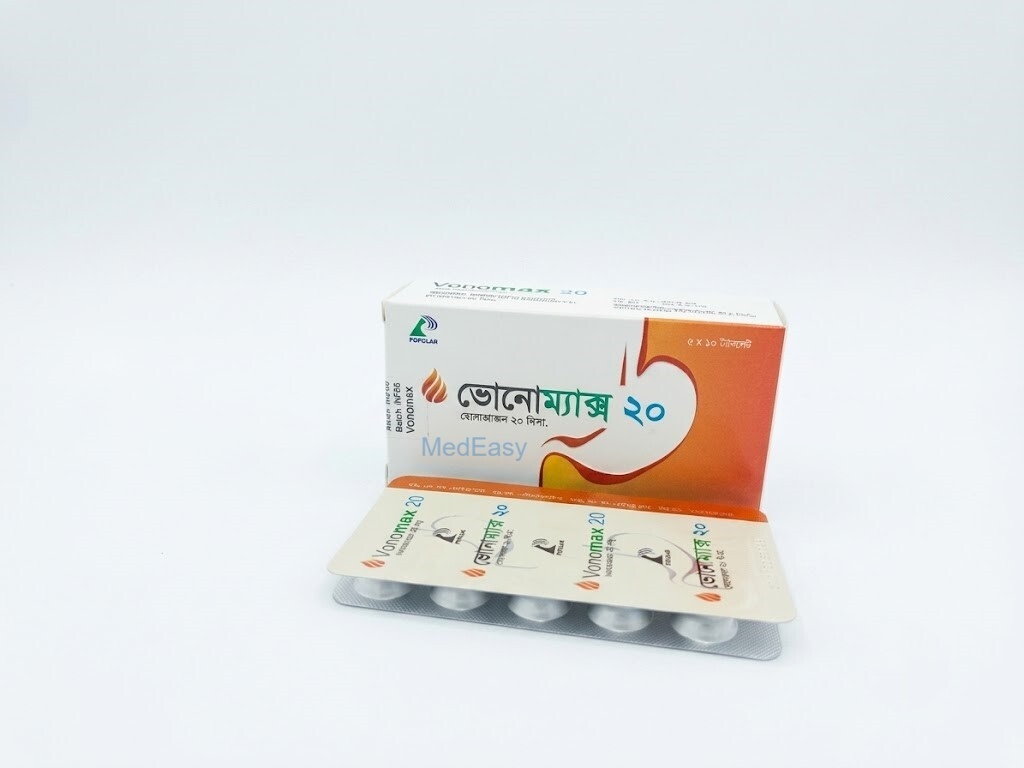
Generic medicine

Vonoprazan: Brands, Price & Uses in Bangladesh

Vonoprazan is a potassium-competitive acid blocker (P-CAB) indicated for the following uses: Established / Approved Indications Healing of erosive esophagitis (EE): Vonoprazan is indicated for the…

Forms:Tablet

About Vonoprazan

Indications of Vonoprazan

Vonoprazan is a potassium-competitive acid blocker (P-CAB) indicated for the following uses:

Established / Approved Indications

  • Healing of erosive esophagitis (EE): Vonoprazan is indicated for the healing of all grades of erosive esophagitis and relief of associated heartburn in adults.
  • Maintenance of healed erosive esophagitis: Vonoprazan is indicated to maintain healing of erosive esophagitis and relief of heartburn for up to 6 months.
  • Relief of heartburn associated with non-erosive gastroesophageal reflux disease (GERD): short-term (4-week) use for symptomatic relief.
  • Helicobacter pylori (H. pylori) eradication: Vonoprazan is indicated in combination with antibiotics, as part of a triple therapy (with amoxicillin and clarithromycin) or dual therapy (with amoxicillin) regimen, to eradicate H. pylori infection. Vonoprazan is not used alone for this purpose.

Other Uses

  • Peptic ulcer disease: Vonoprazan, as a potent acid suppressant, is used in the management of gastric and duodenal ulcers, including as part of H. pylori eradication regimens for ulcer-associated infection, in line with emerging clinical practice and guideline discussion, though this use may vary by local regulatory labeling.

Vonoprazan belongs to a newer drug class (P-CABs) that is distinct from proton pump inhibitors (PPIs), though it is used for overlapping acid-related indications.

Dosage & Administration of Vonoprazan

Adult Dosing by Indication

IndicationDoseDuration
Healing of erosive esophagitisVonoprazan 20 mg orally once daily8 weeks
Maintenance of healed erosive esophagitisVonoprazan 10 mg orally once dailyUp to 6 months
Heartburn relief in non-erosive GERDVonoprazan 10 mg orally once daily4 weeks
H. pylori eradication - Triple therapyVonoprazan 20 mg + amoxicillin 1,000 mg + clarithromycin 500 mg, each twice daily14 days
H. pylori eradication - Dual therapyVonoprazan 20 mg twice daily + amoxicillin 1,000 mg three times daily14 days

Administration

Vonoprazan tablets should be swallowed whole and may be taken with or without food, generally at approximately the same time each day. When used for H. pylori eradication, Vonoprazan must always be taken together with the prescribed antibiotic(s) as a complete combination regimen — see Precautions and Warnings regarding treatment adherence.

Renal Impairment

No dose adjustment is needed for mild-to-moderate renal impairment. In severe renal impairment (GFR <30 mL/min), the erosive esophagitis dose should be reduced to 10 mg once daily; Vonoprazan-based H. pylori eradication regimens are not recommended in patients with severe renal impairment.

Hepatic Impairment

No dose adjustment is needed in mild hepatic impairment (Child-Pugh Class A). In moderate-to-severe hepatic impairment (Child-Pugh Class B or C), the erosive esophagitis dose should be reduced to 10 mg once daily, and Vonoprazan-based H. pylori eradication regimens are not recommended.

Side Effects of Vonoprazan

Vonoprazan is generally well tolerated. Reported adverse effects include:

Common

  • Diarrhea
  • Nausea and indigestion (dyspepsia)
  • Abdominal pain and bloating
  • Headache
  • Elevated blood pressure
  • Urinary tract infection

Less Common but Clinically Important

  • Fundic gland polyps, particularly with long-term use beyond 1 year (see Precautions and Warnings)
  • Low magnesium levels (hypomagnesemia) with prolonged use
  • Vitamin B12 deficiency with long-term use
  • Severe cutaneous adverse reactions (e.g., rash, in rare cases severe skin reactions)
  • Acute interstitial nephritis (kidney inflammation) — rare

Patients should seek prompt medical attention for signs of severe allergic reaction, unexplained rash, severe or persistent diarrhea, muscle spasms, seizures, or unusual fatigue/weakness.

Contraindications of Vonoprazan

Vonoprazan is contraindicated in the following situations:

  • Known hypersensitivity to Vonoprazan or any component of the formulation.
  • Concomitant use with rilpivirine-containing products, due to the risk of significantly reduced rilpivirine absorption and antiretroviral treatment failure.

Frequently Asked Questions about Vonoprazan

What is Vonoprazan used for?

Vonoprazan is used to heal erosive esophagitis, maintain healing of erosive esophagitis, relieve heartburn associated with gastroesophageal reflux disease (GERD), and, in combination with antibiotics, to eradicate Helicobacter pylori (H. pylori) infection.

How is Vonoprazan different from a proton pump inhibitor (PPI)?

Vonoprazan is a potassium-competitive acid blocker (P-CAB), a newer class of acid suppressant that works differently from PPIs. Vonoprazan binds reversibly and does not require acid activation, which allows it to act faster and provide more consistent acid suppression from the first dose compared with many PPIs.

Can I take Vonoprazan with rilpivirine or other HIV medicines?

No. Vonoprazan is contraindicated with rilpivirine-containing products because it can significantly reduce rilpivirine absorption, risking HIV treatment failure. Always tell your doctor about all medicines, including HIV treatment, before starting Vonoprazan.

Is Vonoprazan safe during pregnancy or breastfeeding?

Data on Vonoprazan use during pregnancy are limited. Vonoprazan should be used during pregnancy only if clearly needed and the potential benefit justifies the potential risk to the fetus. It is not known if Vonoprazan passes into breast milk, so breastfeeding mothers should consult a physician before use.

What are the common side effects of Vonoprazan?

Common side effects of Vonoprazan include diarrhea, nausea, indigestion, abdominal pain, headache, elevated blood pressure, and urinary tract infection. Long-term use may be associated with low magnesium, vitamin B12 deficiency, and fundic gland polyps; contact your doctor if you experience persistent or severe symptoms.

Why is Vonoprazan sometimes combined with antibiotics?

When used for H. pylori eradication, Vonoprazan is combined with antibiotics (such as amoxicillin, with or without clarithromycin) because Vonoprazan alone does not eliminate the bacteria; it improves the acidic environment so the antibiotics can work effectively. It is important to take Vonoprazan and the antibiotics exactly as prescribed, completing the full 14-day course without skipping or stopping doses early, to ensure successful eradication and reduce the risk of antibiotic resistance.

Disclaimer

The information provided is accurate to the best of our knowledge, but it does not replace professional medical advice. We cannot guarantee its completeness or accuracy, and the absence of specific information about a drug should not be taken as an endorsement. We are not responsible for any consequences arising from this information, so please consult a healthcare professional for any concerns or questions.

DoctorBlogArticles